
You have one clear day free, maybe a Saturday between meetings or a single day off from family duties. You want a break that actually feels like a break, not a long commute or a rushed hotel stay. That’s when a microcation works: a short, 24 hour city retreat designed to give you rest, new experiences, or a mental reset without taking a full week off.
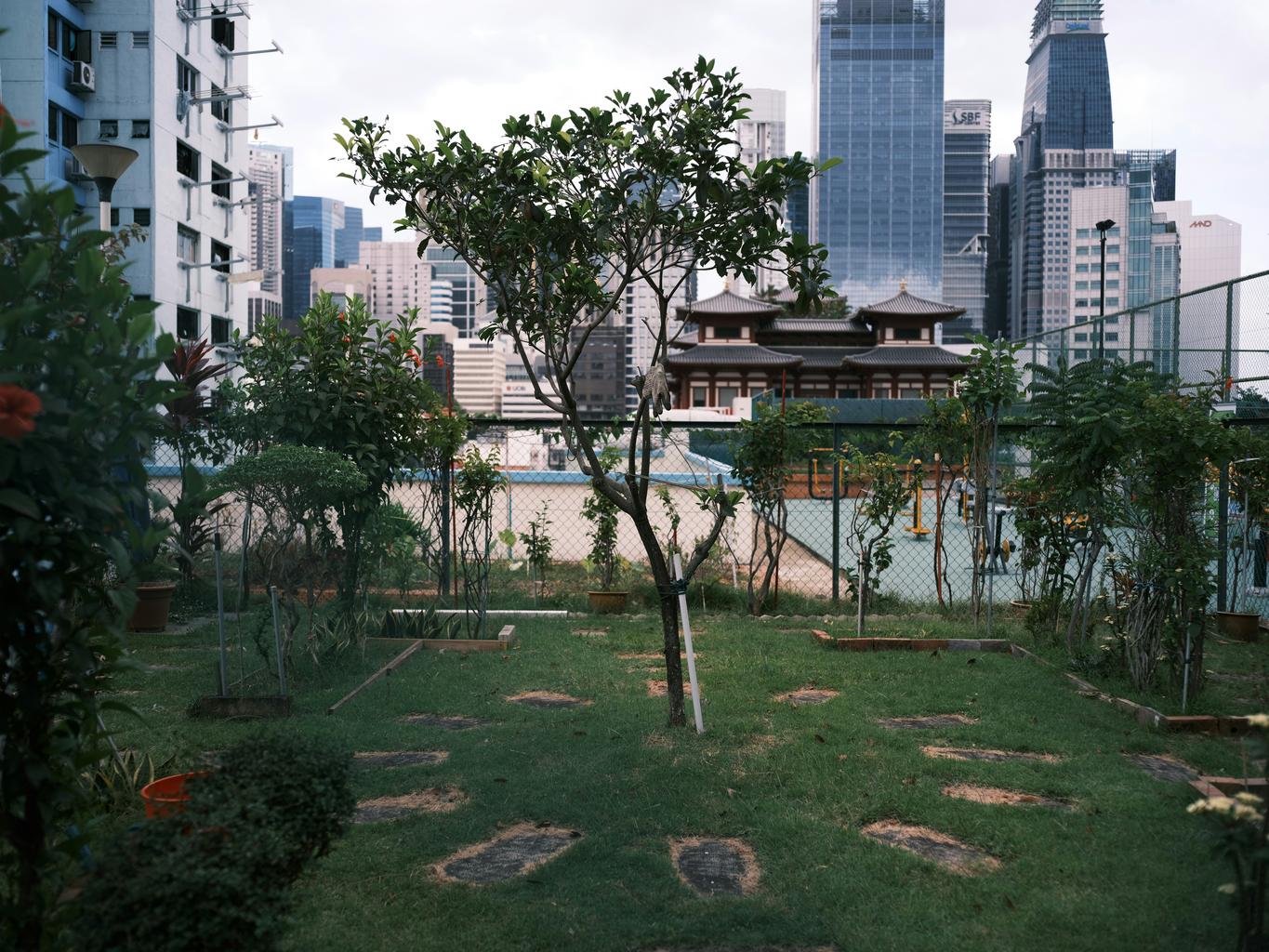
What is a microcation? Understanding the 24 hour city retreat
A microcation is a short trip, often 24 hours, focused on a tight set of experiences in one city neighborhood. Think: arrive Saturday morning, visit a market, take a two hour workshop, eat at a local restaurant, sleep in a small boutique hotel, do a short yoga or meditation session Sunday morning, and head home.
What people get wrong
Many people try to treat a microcation like a mini vacation and pack a full week into a day. That usually ends with exhaustion instead of refreshment. Another common mistake is forgetting transit time and losing most of the day commuting.
When this works
A microcation works when you live within a two to three hour drive or train ride of the city, and when you want a clear change of pace rather than a long itinerary. It’s less useful if your travel time eats up the same portion of your day that you hoped to relax.
When it doesn’t work
If you need complete silence and real isolation, a 24 hour city stay will probably fall short. Cities bring energy and noise; pick a nearby rural retreat instead if silence is the goal.
Why microcations are growing in 2026
Busy schedules and tight budgets make long trips harder to plan. People want experience rich breaks that do not require taking lots of time off. Industry reports show more travelers choosing short, transformational trips and wellness retreats. BookRetreats found that many U.S. travelers plan retreats for mental health and burnout recovery.
What to check first
Check work availability: can you block the day and not answer emails. If you cross a border, confirm travel rules early, because short trips can still require visas or ETAs. Think about cost versus value: a premium one night hotel can be worth it if it saves time and gives a restful space.
Different people choose microcations for different reasons
Parents often fit a one night break between childcare duties. Remote workers can turn a workday into a creative day off with local activities. Budget conscious travelers stretch limited vacation days into multiple short trips over the year.
What makes a great 24 hour city microcation?
Keep the plan tight and choose a small area. The point is to reduce transit time and let the neighborhood feel like the trip, not the whole city.

Core elements that matter
These elements make a short city trip feel like a real break rather than a checklist
- Local culture, such as a market, a craft shop, or a short walking tour.
- A curated experience, like a cooking class, art workshop, or a guided neighborhood stroll.
- Restful sleep, meaning a hotel that feels peaceful matters more than a flashy room.
- Wellness moments, for example a 20 to 40 minute yoga session, a short meditation, or a quality spa treatment.
Pick two meaningful things rather than ten small items. A calm room and a good nap can change how the whole day lands. If you want creativity, book a hands on class early; if you want rest, spend the extra on a quieter hotel.
What people often misunderstand
Cramming too many activities into one day reduces enjoyment. Better to pick two meaningful things and leave time to wander. A boutique hotel with a good bed and decent blackout curtains will boost the whole microcation more than a flashy rooftop bar.
Practical trade offs
Neighborhood choice matters: staying central saves time but central hotels usually cost more. If you are watching your budget, pick a nearby neighborhood with reliable transit and accept an extra 15 to 25 minutes to save money. That extra walk or subway ride can be worth it if it frees up funds for a better meal or class.
Flexibility versus bookings is another trade off. Walk in experiences are nice when you are spontaneous, but some workshops and small wellness classes require advance reservations. If a particular class matters to your trip, reserve it.
Planning your microcation for maximum impact
Prioritize, then book. Make the small decisions that lock in rest or the main experience first, then fill around them.
Simple planning checklist
When you book, think of this short list as a guide
- Pick one neighborhood. That cuts travel time.
- Rank three must do items and plan them by priority.
- Book the hotel first if sleep is a main goal, then reserve the top experience such as a workshop or food tour.
- Leave one long window for wandering or a nap.
These steps keep the day from turning into a logistics problem. If you know where you will sleep and which class or meal you do first, the rest can be looser and more pleasant.
What takes more time than expected
Travel time and airport style security lines can eat hours if you fly. For many short trips, trains or driving are faster door to door. Small workshop bookings also take longer than people expect; some pottery or creative classes require weeks of notice. If one activity is the point of the trip, lock it in early.
Where tech helps and where it doesn’t
Online itinerary tools can find local experiences fast and save research time for straightforward trips. They are helpful when time is the main constraint. Don’t rely on social media posts alone for booking details, because pop up classes and limited seat events can sell out and a post might be outdated.
Accessibility and safety checks
Look up late night transit options before you book. Not every city runs late trains or buses, and a taxi surge or long night ride will undercut a short retreat. Also confirm hotel check in times; an early arrival fee can wipe out the upside of getting into the room a few hours sooner.
Top U.S. and global cities for microcations in 2026
Pick cities with walkable neighborhoods, short transit times, and creative scenes. Those factors reduce the friction of short stays.
Good fits in the U.S.
Portland, OR. Compact neighborhoods, a strong food scene, and short trips to nearby nature. Great if you like coffee shops and microbreweries.
New Orleans. Small clusters of music, food, and art make it easy to feel immersed without covering miles. Crowds spike during festivals, so avoid those dates unless you plan ahead.
Asheville, NC. Artsy and good for wellness and craft workshops. It suits slower microcations more than noisy city stays.
Global picks
Prague is easy to walk and compact, with good rail links in Europe, ideal if you can reach it by train or short flight. Copenhagen is small, bikeable, and strong on food and design, though costs are higher. Berlin has lively neighborhoods and short train hops, great for creative workshops and nightlife, but plan sleep carefully if rest is your main goal.
Who should skip which options
If you are budget limited, skip peak season coastal retreats like Hawaii for a microcation. Instead book inland or smaller cities where prices drop. If you need silence and nature, a city microcation can disappoint; choose a nearby rural retreat for real quiet.
How microcations support sustainable and mindful travel
Shorter trips can be greener if you choose the travel mode and activities carefully. Less long haul flying reduces emissions, and taking the train or car share trims impact further. Staying local and spending at small businesses spreads benefits to neighborhoods rather than concentrating them in tourist hubs.
What to watch for
Weekend flights can still be high emission per mile, so prioritize trains when possible. Also check for local tourism taxes and added fees, because a short trip can become surprisingly expensive once those are tacked on.
When it helps and when it doesn’t
Microcations work well when you use public transit and eat locally. They are less effective for sustainability if you fly a short distance and stay in a luxury resort that imports goods and services from far away.
The future of microcations: tools and hassles to expect
Digital tools will make planning faster, but regulations and fees may add friction.
What is likely to help you
Online itinerary builders can suggest tight 24 hour plans quickly and are handy when time is the main constraint. Rail improvements in Europe and elsewhere should make faster door to door trips possible without airports.
What may block you
New travel authorizations such as ETAs or the Entry/Exit System for some countries can add processing time even for short trips, so check requirements before you book. Rising visitor levies and day entry fees in popular cities can also turn a cheap microcation into an expensive one.
Where you need judgment
Use tools to save time, but double check official sites for visas and local fees. Modular travel packages that bundle hotel, class, and transfer are tidy and cost more; if time is short and peace of mind matters they can be worth the premium. If you enjoy bargain hunting, they may feel overkill.
Conclusion, a realistic next step
A microcation is a small, planned escape that gives you a clearer break than a long day at home. Pick one neighborhood, choose two solid experiences, and make sleep a priority. Check transit times, local fees, and any required travel authorizations before you book. If rest is the goal, pay a bit more for a calm hotel near your chosen activities. If culture or creativity is the aim, book that workshop early and accept a simpler room.
Try one microcation this month: choose a city within a three hour trip, book a restful place to sleep, and reserve one main experience. Keep the rest of the day unstructured. After one successful 24 hour retreat, you will know what to change for the next one.