
You want a trip, but the choices feel overwhelming. Beaches or mountains? A quiet wellness retreat or a wild adventure? Picking where you should travel next can freeze you before you even check flights. This post gives 50 fresh vacation ideas grouped so you can match a trip to how you want to feel, how much time you have, and what you can afford.
Refresh Your Travel Vision: Why inspiration matters
Travel inspiration often starts the whole process. A single striking idea can move you from a vague wish to an actual booking. What you choose shapes the trip beyond the photos. A wellness escape helps you actually rest, a meaningful trip can change how you see the world, and an adventure will push your limits.
One common miss is treating inspiration as a plan. Inspiration gets you started, but you still need to check timing, costs, and safety before committing. Use an idea to set one clear goal, for example I want to recharge, or I want to see rare wildlife. If you chase only perfect Instagram shots, you can easily ignore travel costs, time off, and physical limits.
Wellness Escapes, Recharge mind, body, and soul
A wellness trip usually means fewer outings and more routines that help you relax or reset. Expect yoga, spa treatments, cleaner food, and guided meditation. These trips are about steady habits and downtime rather than nonstop sightseeing.
Top picks and what to know
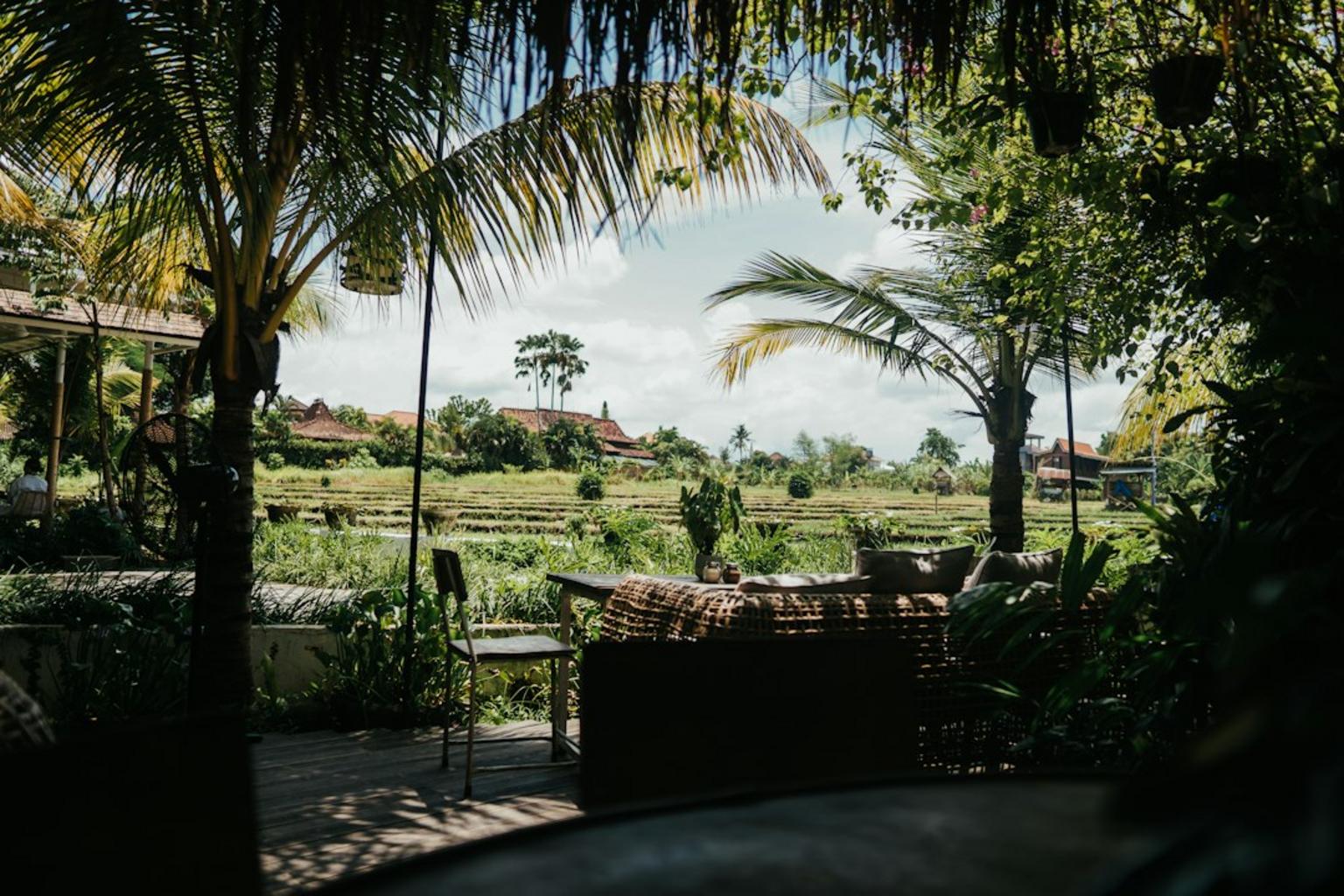
- Bali, Indonesia: yoga and holistic retreats among rice terraces. Great if you want a gentle, immersive reset. Popular towns can feel crowded.
- Kerala, India: authentic Ayurveda programs with medical style treatments. Suited to longer stays and people who want guided therapies.
- Swiss Alps spa resorts: luxury mountain spas and thermal baths. High cost, very comfortable, and ideal for cold weather escapes.
- Sedona, USA: desert hiking and spiritual retreats around energy sites. Works well for short retreats that mix light activity with meditation.
- Maldives overwater resorts: private villas and underwater spa experiences. Very quiet and private, but expensive and remote.
What to check first: program length, which treatments are included, whether you need medical clearance, and whether travel insurance covers any procedures. People sometimes assume every wellness place is the same; a yoga focused retreat feels very different from a medically managed detox.
Meaningful Travels, Journeys that connect and change you
Meaningful travel leans toward learning, helping, or sharing culture rather than ticking sights off a list. It usually means longer conversations, slower pacing, and experiences that stick with you after you return.
Tanzania safari to see the Big Five and the Great Migration is ideal if you want dramatic wildlife seasons and wide-open landscapes. Expect higher costs and weather windows that determine when you see the best action.

Machu Picchu, Peru, offers Incan ruins and high mountain trails; plan for altitude, permits, and crowds at peak times. Angkor Wat sunrise and quiet temple time, Cambodia, give deep cultural context if you arrive early to avoid the most crowded hours. Oaxaca Day of the Dead in Mexico, from October 31 to November 2, is an intense cultural festival, very rewarding but loud and crowded. Volunteering with elephant sanctuaries in Thailand or turtle projects in Costa Rica can be meaningful, but always check the ethics and reputation of the program before committing. A solo hike along the Great Wall of China gives long views and time alone, useful if you want a steady challenge. Bhutan’s Tiger’s Nest monastery is a spiritual hike with tight access rules and visitor fees, so confirm visa and booking rules well before you go.
Check ethical credentials for volunteer programs, timing for festivals and wildlife seasons, and whether local rules or permits are required. A frequent mistake is expecting volunteer work to feel like tourism, meaningful projects can be physically and emotionally demanding and often need a longer stay to matter.
Adventure and Nature, For thrill seekers and outdoor lovers
Adventure trips pair physical activity with remote places, and they usually require more planning for guides, gear, and weather. If you like being active and don't mind rougher logistics, these trips can become memorable stories rather than photo ops.
The Pacific Coast Highway road trip in the USA rewards flexible travelers who enjoy driving and scenic stops such as Big Sur. Skiing or hiking in the Swiss Alps brings Matterhorn views and alpine terrain; the peak season is costly but the scenery is unmatched. Snorkeling or diving in the Galápagos Islands gets you close to unique wildlife, best experienced from a small ship cruise or guided day trips. Seaplane flights over the Maldives offer dramatic aerial access and are often how you reach remote islands. Glacier hiking in Alaska needs guides and proper gear, so it is not ideal for absolute beginners without preparation. Night paddleboarding with LED lights in places like Baja or Loreto, Mexico, is memorable and low impact. Antarctica expedition cruises show wildlife and ice scenery, but they require long planning and a significant budget.
Permit requirements, guide bookings, and seasonal windows for wildlife and weather often take more time than people expect. If you have limited mobility or a tight budget, some of these trips may not be practical.
Easy to Plan Getaways, Great for 3 to 7 day trips
Short trips can feel full without heavy planning if you limit your list and focus on a few good experiences. Pick a central base, use public transit, and book one activity per day to avoid feeling rushed.
- New York City: museums, shows, and iconic sights, suited to weekend culture and food trips.
- Paris or Copenhagen city break: art, food, and seasonal markets. Paris gets very crowded in summer, while Christmas markets are best in winter.
- Caribbean island hopping or short cruises: easy to relax and pack light. Cruises add convenience but reduce time ashore.
- Tokyo food and culture tours: excellent for food lovers; expect crowded trains and lots of walking.
- Iceland Blue Lagoon: a short geothermal soak near the airport, good for jetlag recovery.
- Washington D.C.: monuments, museums, and easy walking circuits.
For short trips, pick a small list of must dos and book one activity per day so you don’t try to cram too much in. Staying central saves travel time and lets you use transit instead of taxis.
How to choose your next travel destination
Narrowing down many good options gets easier if you answer a few concrete questions. Start with one main goal and let it rule out trips that don’t match.
Pick one main goal: rest, adventure, cultural learning, or helping others. A single clear goal removes a lot of indecision. Match time and budget: long haul wellness or safari trips need more time and money, while city breaks are budget friendlier and fit tighter schedules. Think about physical demands: hikes, altitude, or long transfers require prep; if you have health limits, choose lower impact trips. Check seasons and crowds: festivals and migrations are unforgettable but need planning, whereas shoulder seasons often save money and reduce crowds. Read reviews and community advice to learn what trips are actually like. Ask specific questions such as is this safe for solo travelers in November.
Tools and checklist to start planning
Use a simple calendar to mark the dates you can travel and the peak seasons to avoid or aim for. Draft a budget estimate that covers flights, lodging, transfers, and the main activities you want to do. Decide what to lock in first, usually flights if prices are volatile, then any permits or tours that sell out. Finally, do a quick safety and health check for needed vaccinations, travel advisories, and insurance.
One small trade off to accept early: cheaper flights often mean longer layovers. Decide whether extra travel time or extra cost is the worse problem for you.
Wrap up and what to do next
There are many ways to travel: to rest, learn, help, or push yourself. A useful next step is to pick one clear goal, then choose three destinations that meet it. Compare time, cost, and what you actually enjoy doing day to day. If you want rest, skip jam packed sightseeing and build in free afternoons. If you want meaning, plan a longer stay and work with organized local programs.
Bookmark one trip, set a realistic budget, and book the best flight or tour that fits those constraints. If you want more ideas, save this list and come back when you have dates or a budget. Travel inspiration is only useful when it becomes a small, clear plan. Start with one decision and build from there.