
You come home with hundreds of photos, a suitcase full of receipts, and a fuzzy memory of the best parts. That pile of paper and pixels is useless unless you make a habit of capturing what mattered and organizing it. Travel journaling does more than list where you went. It helps you reflect on your travels, organize travel memories, track travel expenses, and even manage travel points. These travel journaling tips show simple ways to keep memories and money from slipping away.
Make travel journaling a daily habit
Writing or recording notes each day helps you remember small details. Those small details are often the parts you want to read later. Pick a time each day, like before bed, to reflect on your trip. Short entries are fine.
Focus on feelings and the little whys, not just places. Why was a meal special? Why did a street make you laugh? Try one sentence and one quick list of facts: who you were with, what you ate, cost if you paid cash. If you hate writing every day, try a 30 second voice note or a quick photo caption instead.
This works best on trips longer than a weekend, when daily journaling keeps memories fresh. It does not work if you really dislike a nightly routine; a voice note or photo caption may suit you better. The common mistake is waiting until you return home, when details have already faded and dates get mixed up. Before you start, decide whether you prefer paper or phone, and pick the system you will actually use rather than the one that sounds best.
Combine analog and digital methods for best results
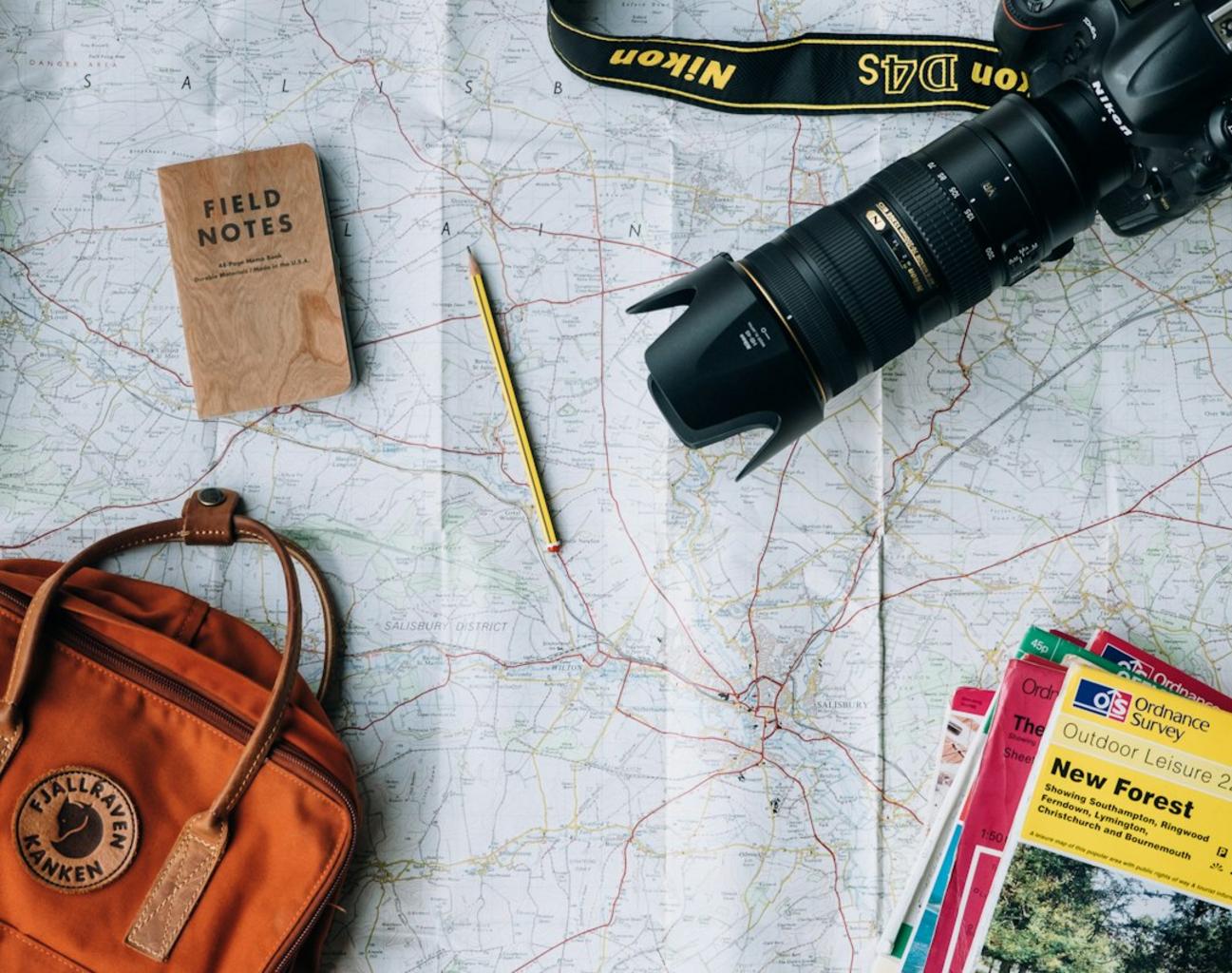
A small notebook and a phone app together cover most needs. The notebook holds tickets and scribbles, the app backs up photos and text. Carry a lightweight notebook, glue or tape, and a pen if you want to keep ticket stubs, maps, and quick sketches. Use a simple app that syncs to the cloud so your entries survive a lost or broken phone.
If you like touch and visuals, carry both: glue a receipt to a page and write a line about it later in the app. If you are packing light and hate paper, stick to a digital travel journaling app with offline access. Be realistic about syncing paper notes into a digital archive, it can take more time than you expect. Decide upfront if you will scan or type paper notes after the trip, or leave them as a physical keepsake. Paper feels creative, digital is searchable and backed up, but use both only if you have the energy to keep them synced.
Organizing travel memories, photos, notes, and souvenirs
Photos pile up fast. The goal is to make them useful, not just pretty. Label photos as you go, using folders by date or theme such as Food, Streets, Friends. Attach physical memorabilia to your journal: tickets, brochures, business cards, and add a short note explaining why you kept each item. For each photo or souvenir, write a short story or detail. A caption that explains why the moment mattered turns a file into memory.
People often save everything without a system, which creates a mess they will avoid later. Check whether your camera roll shows dates and location; if not, add that info in the app. For example, a market stall photo with a receipt glued to the same journal page plus a note that says, Bought this after the vendor told me a joke, becomes a memory rather than just an image. Label things before you forget names and reasons, because waiting weeks will cost you those details.
Expense tracking tips embedded in your travel journal routine
Keeping receipts and notes with your journal makes reconciling budgets much easier. Use cards when you can so electronic records exist. Keep cash receipts in an envelope or glue small ones into your journal with the amount noted. Make a daily expense line in your journal or app: total spent, main purchases, and any odd cash you added on a receipt.
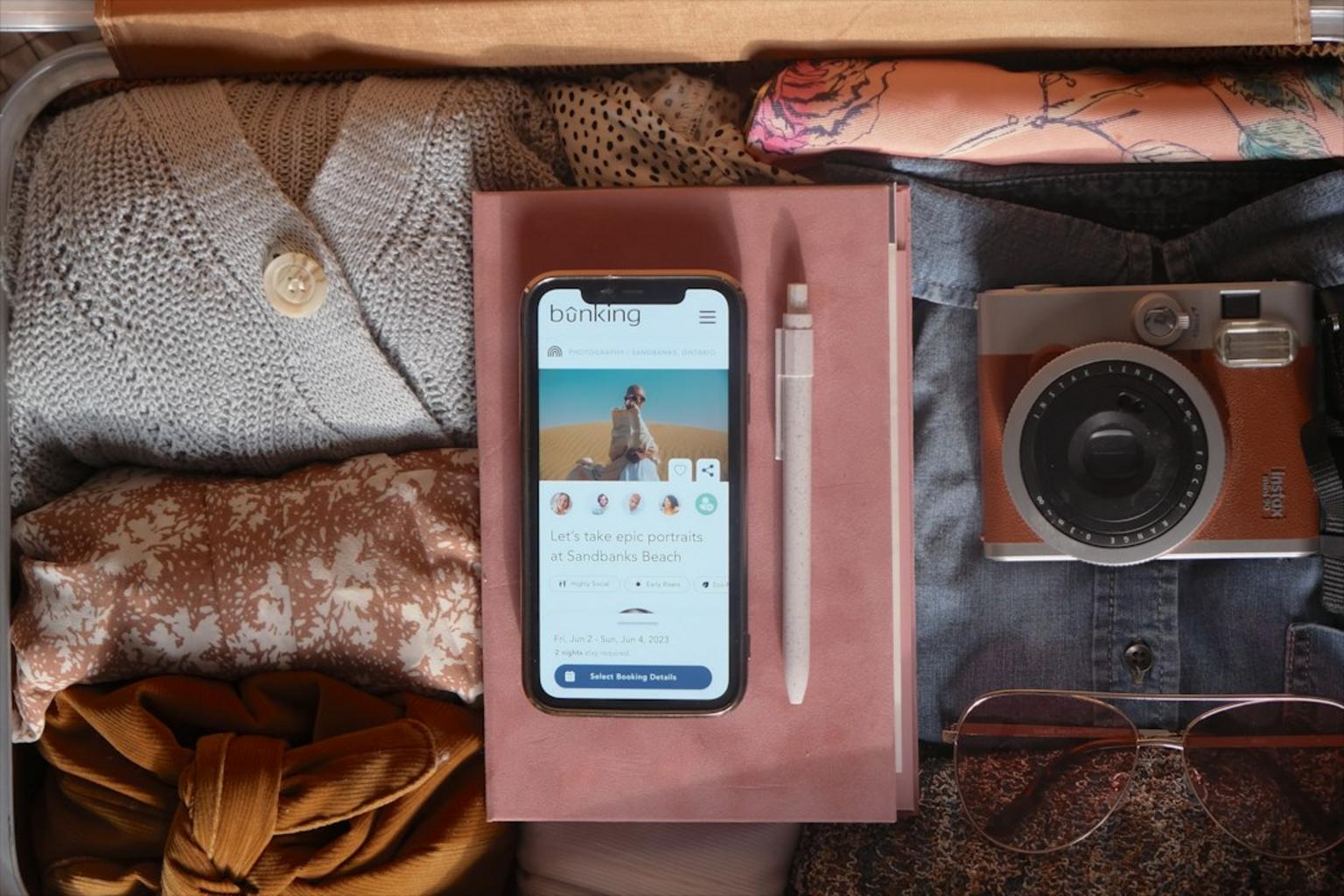
This is especially useful for business trips or strict budgets, and you will thank yourself when you file expenses or check how much you really spent. If you prefer to forget money while traveling, accept that you may have to sort expenses later with less accuracy. A common mistake is thinking a photo of a receipt is enough; photos help, but labeled entries with totals are faster when you sort finances. Simple tools that work: a spreadsheet, an expense app that exports CSV, or a note in your journal with a nightly sum. Expect finding and entering small cash expenses to take time, so plan 10 minutes nightly to record them.
Managing travel rewards and points through journaling
Loyalty points are easy to lose track of. Keep a small rewards log in your journal with sections for airline miles, hotel points, card bonuses, and expiration dates. Note where points were earned during the trip and any planned redemptions. If you travel often, keep a running tally so you do not miss expiring points.
This suits frequent flyers, hotel loyalists, or anyone juggling multiple programs. If you rarely use rewards or have only one card, a simple note in your phone will do. The thing people forget most is expiration dates, so put those dates on a calendar or in your journal with reminders. Tracking adds a bit of work, but it can save money; decide whether the points value justifies the tracking effort.
Choosing the right digital tools for your travel journal
Not every app fits every traveler. Pick features that match how you travel and how much time you want to spend. Key features to check include syncing and backup so entries are safe, multimedia support for photos, audio, and videos, export options such as PDF if you want a printed copy later, and offline access when you go off grid.
Pick a simple app if you want quick notes and photo captions, something free with solid backup. Pick a full featured app if you want maps, exports, and long form entries, and expect a subscription or one time fee. A frequent mistake is choosing an app with no export; if the app closes you may lose access. Prefer apps that let you export your data.
If you travel by car and want route maps, pick an app with GPS tracking. If you only need daily notes, a basic digital travel diary or an Evernote style app will do.
Reflective prompts and practices to deepen your travel journal
Short prompts make reflection easier, you do not need long essays. Try these prompts:
- What surprised you most today?
- What small thing made you smile?
- Who did you talk to and what did you learn?
- What would you do again, and what would you skip?
Use lists, sketches, a quick voice note, or a one line poem. Mix formats so journaling does not feel like a chore. Prompts help you get deeper memories or personal insight, but if you only want a travel log for expenses or proof of trip, skip deep prompts and focus on facts. Turning prompts into longer entries takes time, so keep a limit like one paragraph or a two minute voice note. Use prompts selectively on days that felt different, rather than forcing long reflections every night.
Conclusion
A travel journal that blends a small daily habit with both paper and digital tools, and a simple system for photos, receipts, and points, will turn a pile of stuff into useful memories. Start with one short action you can do every night: label photos, drop receipts in an envelope, or write one sentence about a favorite moment. Check how often you travel and what you want from the journal: if you travel often, add a rewards log and a synced app; if you travel rarely, a pocket notebook and a nightly note will probably be enough.
Pick tools you will use, not the fanciest ones. Decide whether you want more reflection or just records, and keep the habit simple. Then, when you open your journal months or years later, you will find the moments that mattered, and you will remember why you kept them.