
You want to see history, but you do not want to rush. Planning three fall days at historic sites can feel like too many choices, shifting weather, and ticket queues. Pick a clear plan that keeps walking time low, includes rest, and uses fall weather to your advantage. Below is a calm, practical 3-day itinerary for exploring historic sites this fall, plus simple prep and real decisions you need to make.
Why fall is great for visiting historic places
Fall usually brings cooler days, softer light, and leaves that make old buildings look better in photos. You will find fewer crowds than summer, which means quieter museum halls and better chances for guided tours that feel personal.
When this works: Mild temperatures make longer walks comfortable and fewer tourists mean easier access to popular rooms, viewpoints, and photo spots.
When it may not work: Some sites reduce hours in late fall, and rainy periods or early freezes can close outdoor features such as gardens or terraces.
What to check first: Look at official sites for opening hours and seasonal closures, and confirm whether guided tours only run on weekends or need reservations.
How to pack and plan for three fall days
Packing for fall is mostly about layers and good shoes. You do not need heavy winter gear unless you really expect snow.
What to pack
- Light jacket, sweater, and a compact rain shell.
- Comfy walking shoes that are already broken in.
- Small daypack, reusable water bottle, phone charger.
- A printed copy of any timed entry tickets.
Booking tips: Buy timed entry tickets for museums or major landmarks when possible, and check whether audio guides or tour slots sell out on fall weekends.
Transport and routing: Group nearby sites so each day uses short walks or brief public transit trips, which are often faster than long taxi rides. Map the route and note one flexible stop, like a cafe or park, to rest if the weather or energy changes.
Common mistake: Trying to cram too many paid attractions into one day. Walking neighborhoods or parks gives you a better feel for the place without the stress of racing between ticketed rooms.
Day 1: Iconic landmarks and a scenic park
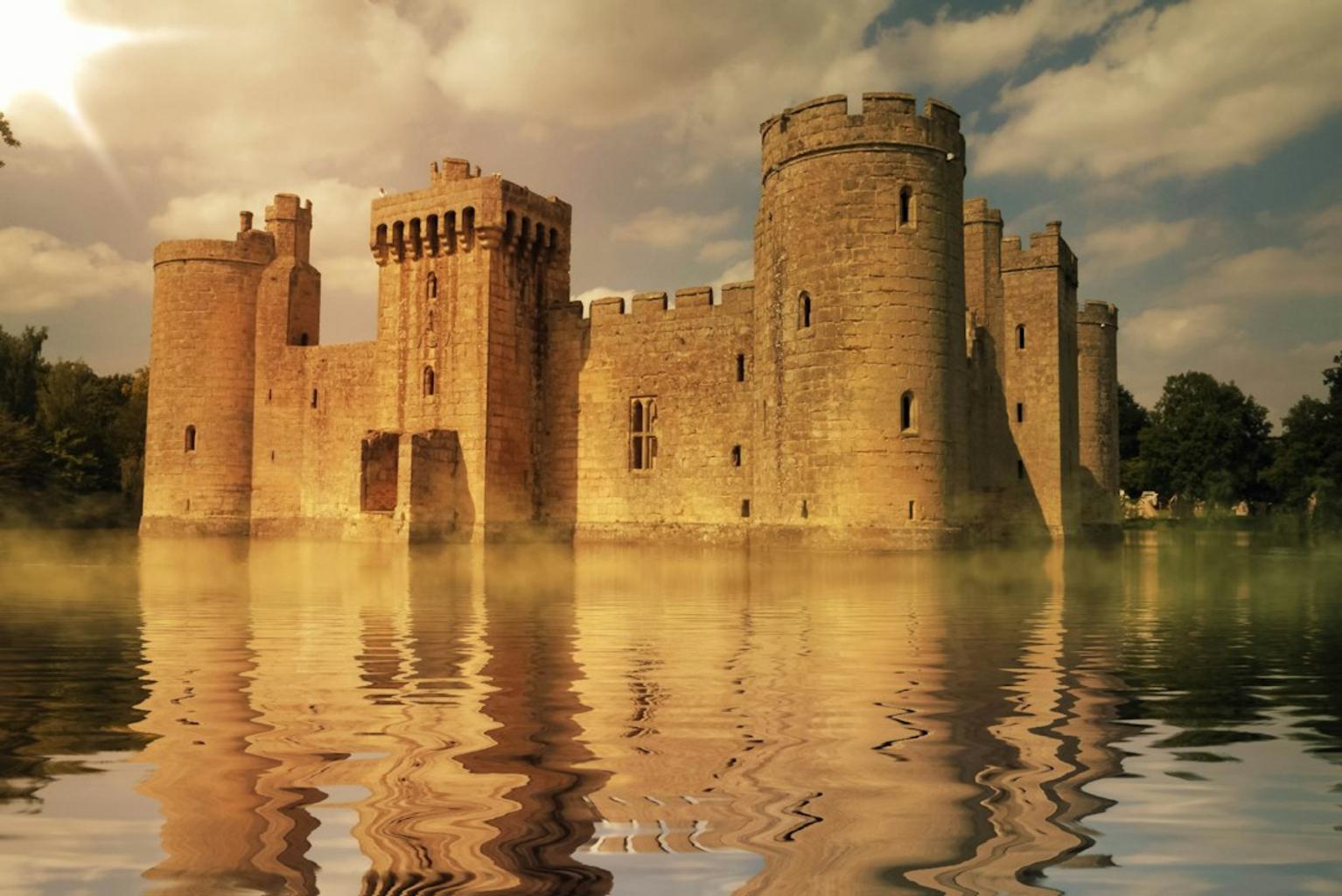
Morning: Start at an outdoor landmark with big fall colors. Choose a bridge, castle, cathedral, or plaza that has open grounds or nearby gardens. Aim to arrive early to avoid midday crowds and catch soft morning light for photos.
Photo tips: Look for a viewpoint that frames the architecture with trees. Early morning or late afternoon light will warm stone and make leaves glow.
Afternoon: Walk through an older neighborhood or visit a nearby museum that explains the area’s story. Keep the pace slow. Let side streets and plaques be part of the visit. If the museum is large, pick two or three key rooms and stop for a long coffee break afterward.
Evening: Eat in the historic quarter at a local place that uses seasonal produce, such as roasted squash, apple desserts, or mushroom dishes. Reservations help, especially on weekends.
What people usually get wrong: Thinking you must visit every main room in a big museum. You will enjoy more if you focus on a few highlights and leave time to notice details outside.
Who this day fits: First time visitors who want visible icons plus a gentle introduction to local history.
Day 2: Deep history and seasonal culture
Morning: Visit an immersive site such as a heritage museum, historic home, or preserved industrial space. These places often have exhibits that tell stories about daily life, work, and change. Look for fall-themed exhibits or special programs tied to harvest or remembrance days.
When this works: If you like context and want to move from places to people, this morning will feel rewarding.
When it may not work: Historic homes sometimes run small, timed tours, so book ahead if possible.
Midday: Eat at a market or town square. Markets are great in fall because vendors sell seasonal produce and crafts, and you can try local harvest dishes or small plates to taste several items.
Afternoon: Join a guided walking tour, battlefield tour, or neighborhood walk. Guides point out facts and stories you would otherwise miss. For photographers, plan to be near a landmark just before golden hour for softer shadows and better color.
Trade-off to consider: A guided tour costs more, but it often saves time and adds context that makes a site stick in your memory.
Who this day fits: Travelers who like history with human stories, and those who value photography or expert narration.
Day 3: Hidden gems and calm outdoor walks
Morning: Seek a lesser known site or a small village. These quieter places show everyday history: local churches, small museums, or old cottages. You will have space to think and to notice small details such as old signs, carved stone, or garden layouts.
What to check first: Some small sites have limited opening days, often only weekends or afternoons. Confirm times before you go.
Midday: Lunch at a family run cafe or bistro. Smaller eateries often serve simpler, seasonal menus at lower cost than tourist spots.
Afternoon: Take a gentle history walk through gardens, historic trails, or an old cemetery. These outdoor spaces are especially peaceful in fall. Bring a notebook if you want to jot names, dates, or plant details.
Optional: If there is a seasonal festival, estate open day, or gardening display, that can be a pleasant end to the trip. Check timing, entrance fees, and whether you need reservations.
What is not worth doing for some people: Chasing every small museum in one day. If you prefer quiet reflection, pick one small site and spend more time there.
Who this day fits: Travelers who want a slow pace, reflection, and local flavor.

Extra tips for first-time visitors to historic sites in fall
Respect and etiquette: Follow signage, stay off roped areas, and speak quietly inside historic buildings. Some houses still host people living there or active religious services, so be mindful of photography rules.
Physical comfort and safety: Layer clothes because mornings and evenings can be cool while midday warms up. Bring water and snacks, since some historic areas have few nearby shops.
Using digital tools: Download maps and audio guides before you go, in case cell service is spotty. Official site apps often include floor plans and show which rooms are currently closed.
Small group or private tours: Consider a private or small group tour for a more intimate experience, especially if you travel with limited time, mobility needs, or a strong interest in a specific theme. These tours cost more, and not everyone needs one. If you enjoy reading plaques and moving at your own pace, you can skip them.
What often takes longer than expected: Walking between sites, queuing for security checks, and time spent inside popular rooms. Build buffer time into each day.
What to check before you book: Opening hours, ticket policies, accessibility, and whether photography is allowed. Also check weather forecasts and local transit schedules.
Sources worth consulting: National Trust, Smithsonian Magazine, and official tourism pages for specific sites for the latest visitor rules and event listings.
Practical wrap up and what to do next
This plan helps you decide how much to see, when to book, and how to move between places without rushing. Start by choosing the main landmark you really want to see, then slot the museum and the small site around it. Book timed entry tickets for anything that sells out, and keep one easy stop per day in case weather or energy changes.
Before you go, confirm opening times and any special event dates on official sites. Pack layers and comfy shoes, and bring a little patience. Fall gives you better light, smaller crowds, and quiet spots that let history feel closer, not louder.
If you want help turning this into a specific three day route, say what kind of sites you prefer, and mention any mobility limits, weather tolerance, or interest in guided tours. I will suggest a simple, realistic route that fits your pace.