
You want to move somewhere else and keep working without breaking the law. Maybe you’ve stayed on tourist visas and worried about overstaying. Or you found a city you love but don’t know if you can work there legally. A digital nomad visa in 2026 is often the simplest fix, but it is not the same everywhere. This post points out which visas could work for your situation, common application mistakes, and the checks to run before you apply.
What is a Digital Nomad Visa?
A digital nomad visa is a permit that lets remote workers live in a country while earning income from abroad. The main idea is that you work for foreign clients or an employer based outside the host country, and the host country grants you temporary legal residence to do that.
Remote worker versus digital nomad
Remote workers might live where their employer is based or work from home in their own country. Digital nomads move between countries or live abroad while keeping foreign income. That difference changes taxes, insurance needs, and which permits make sense for you.
Common misunderstandings
Many assume a nomad visa automatically avoids local taxes. It does not. Several countries consider you a tax resident after a set number of days. Also, some visas explicitly ban local work; check that if you plan any in-country contracts.
Universal Eligibility Criteria for Digital Nomad Visas
Most countries ask for the same basic documents and proofs. Below are what to expect and the parts that often slow people down.
Typical requirements
Proof of steady income from abroad, for example bank statements or contracts. This usually works if you have been salaried and can show six to twelve months of pay stubs. It can be a problem if you just switched jobs or are new to freelancing, because some countries want several months of consistent deposits.
Valid health insurance that covers the host country. Check whether the policy includes repatriation and hospitalization. Some local authorities reject basic travel insurance.
A clean criminal record, shown with a police certificate. This often takes longer than applicants expect because apostilles or translations may add weeks.
A passport with enough remaining validity, and proof that you work for a foreign employer or foreign clients.
Variations that matter
Income thresholds vary widely. Some places require about $1,100 per month, others €4,500. Compare the threshold against local rents and services to see whether it actually covers living costs where you want to be.
Top Countries Offering Digital Nomad Visas in 2026
Below are ten practical options, who they suit, what to watch for, and a quick trade-off for each.
Spain: Non Lucrative or Startup Act for Digital Nomads. Length, one year, renewable up to five years. Income roughly €2,760 per month, with about 80 percent required to come from foreign sources. Spain has good healthcare, large expat communities, and a warm climate. The trade-off is a higher application fee of around €516 and the chance you will trigger local tax rules if you stay long.
Portugal: D8 or Temporary Stay for Remote Workers. Length, up to one year with a possible two year residence permit and a path to longer residency. Income, about four times the Portuguese minimum wage or roughly €3,480 per month. Choose Portugal if you want EU access and a clearer route to staying longer. The drawback is slow paperwork and consulate steps.
Colombia: Visitor Visa V for Digital Nomads. Length, up to two years and renewable. Income, about three times Colombia’s minimum wage or roughly $1,100 per month. This fits low income thresholds and an affordable cost of living. Remember you cannot accept local employment under this visa.
UAE, Dubai or Abu Dhabi: Virtual Work Residence Visa. Length, one year, renewable. Income, minimum $3,500 per month and since January 2026 applicants must supply six consecutive months of bank statements. People go for zero personal income tax and strong infrastructure. Reality check, living costs are high and bank or accounting requirements can be strict if you do not meet the six month proof.
Estonia: Digital Nomad Visa. Length, up to twelve months with no automatic renewal. Income, roughly €4,500 per month gross. Estonia suits tech workers who like efficient digital services and fast government systems. Limitation, it is short term so you will need a plan for year two.
Croatia: Temporary Stay for Digital Nomads. Length, up to eighteen months, renewable once. Income, proof of sufficient means, roughly €2,300 or more per month. Croatia offers a Mediterranean lifestyle at a lower cost than Western Europe. Caveat, seasonal tourism can push housing costs up and make rentals scarce at peak times.
Italy: Digital Nomad or Highly Skilled routes. Length, up to one year. Income, €28,000 to €32,400 yearly, and applicants typically need a degree and relevant experience. This is for highly skilled professionals who want Italy’s lifestyle. Drawback, eligibility is strict and bureaucracy is heavier.
Brazil: VITEM XIV Digital Nomad Visa. Length, one year, renewable for another year. Income, about $1,500 per month or $18,000 in savings as an alternative. Brazil offers vibrant cities and coasts. Extra work, many documents require translation and apostilles.
Mauritius: Premium Travel Visa. Length, up to one year. Requirements focus on proof of funds, travel plans, and health insurance. Best for beach life and a relaxed pace. Note, nomad services and expat communities are smaller than in Europe.
Japan: Designated Activities for Digital Nomads. Length, six months and not renewable. Income, a high threshold around $65,000 to $70,000 per year. This fits high earners who want a short stay in Japan. Limitations include difficulty opening local bank accounts or renting in the standard ways.
Practical Tips for Applying for Digital Nomad Visas in 2026
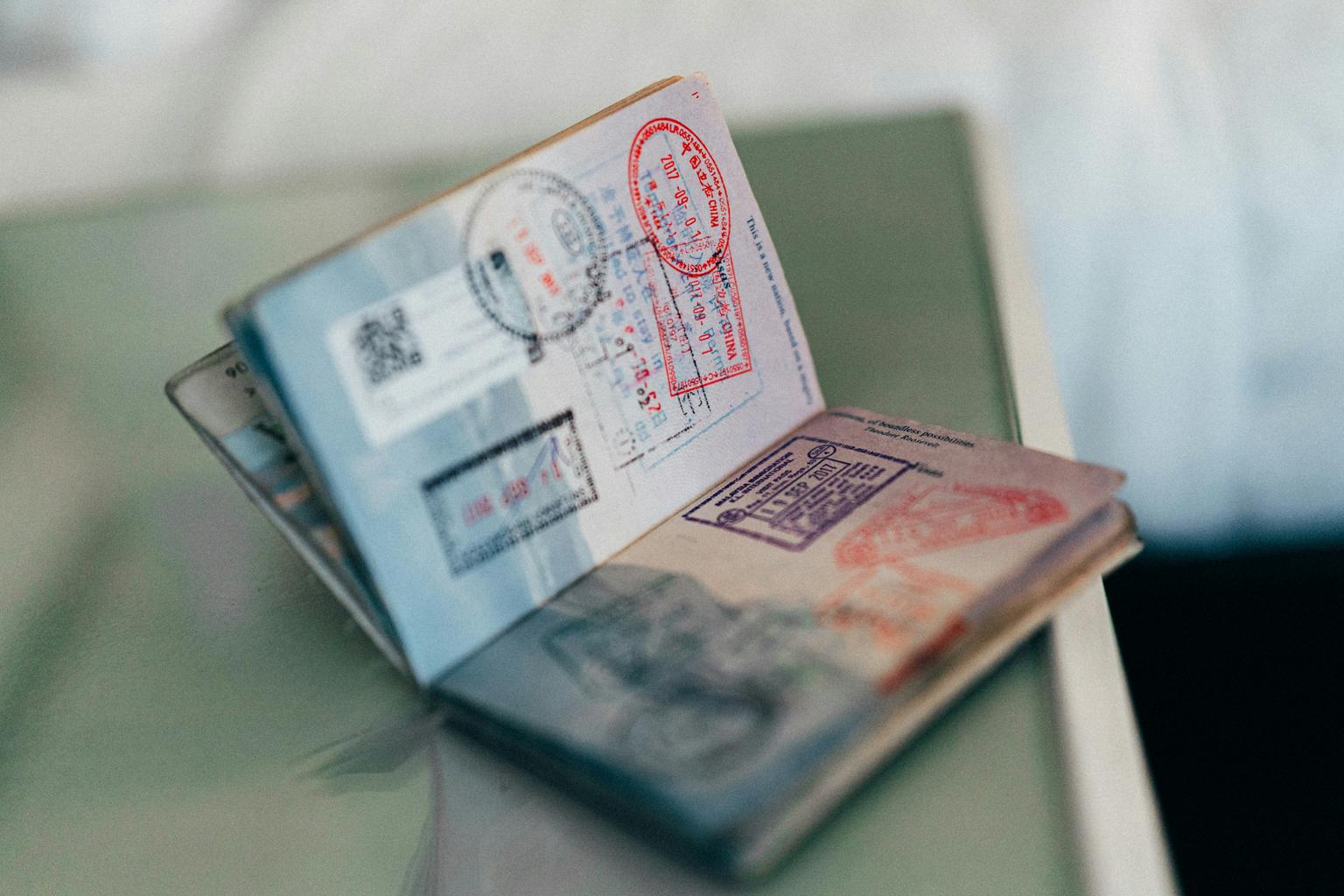
Start early, because processing typically takes two to six weeks or longer once you submit everything.
What to prepare
Prepare these documents well before you apply:
- Bank statements showing the number of months required by the host country, remembering that the UAE now asks for six consecutive months.
- Contracts, client lists, or employer letters that clearly show you work for foreign companies or clients.
- A health insurance policy that explicitly lists the host country and covers hospitalization and repatriation.
- A criminal background check, plus any needed apostilles and translations.
Even when you have the right documents, consulates sometimes reject policies that look like travel insurance, or require specific wording on employer letters. Getting apostilles and certified translations can add weeks, so factor that into your timeline.
Common mistakes
People often use travel insurance a consulate will reject; submit inconsistent bank deposits such as a single large payment rather than steady income; or ignore local tax residency rules and trigger taxes after 183 days.
When to hire help
If you have dependents, complex tax residence questions, or you need to sponsor family, a local immigration lawyer or a visa service can save weeks and confusion. For a straightforward single person case with clear income, many applicants manage the process themselves.
How to Choose the Best Digital Nomad Visa Country for You in 2026
Start by deciding how long you want to stay, what your stable monthly income really is compared with local costs, whether you need healthcare or schooling for kids, and how much paperwork you will tolerate. Those four points narrow the choices fast.
Quick person based guidance
If you want a short stay and a low budget, look at Colombia or Brazil. If you want EU access and a route to longer residency, consider Portugal or Spain. If zero personal income tax and strong infrastructure matter most, the UAE is worth it. For people who value fast digital services and government interactions, Estonia is attractive. If you want island or beach life, Mauritius or Croatia fit better.
Each choice changes what you must show, how easy it is to find housing, and what services are reliable. Match the visa rules to the realities you care about, not just the headline fee or length.
What people often misunderstand
Longer visas do not always mean an easier life. Italy or Spain can feel slow to settle into, even after approval. Cheap countries may have lower income thresholds but weaker healthcare or patchy services, and that matters if you plan to stay several months.
FAQs
Q: Can a digital nomad visa lead to permanent residency?
A: Sometimes. Portugal and Spain can be pathways if you meet residency rules. Many countries do not grant direct residency from a nomad visa.
Q: Does the US offer a digital nomad visa?
A: No dedicated nomad visa exists for the US as of 2026.
Q: How long does the process take?
A: Usually two to six weeks, but allow extra time for apostilles, certified translations, and consulate appointments.
Q: Can family members join me?
A: Some visas allow dependents, including Spain, Portugal, the UAE, and Croatia. Each country requires additional financial proof and different paperwork.
Conclusion
You are weighing a trade-off: live somewhere new while keeping your job, without getting into legal or tax trouble. Digital nomad visas in 2026 give clear options, but they vary in income rules, length, and real world hassle. Pick a country where your income meets the threshold and local services match what you need. Check the exact policy wording on your health insurance, collect steady bank statements, and confirm the tax residency rules before you book a one way ticket.
Next step, choose two countries that match your money and lifestyle, check the official consulate or immigration site for the latest forms and fees, and list the documents you will need. If your situation looks straightforward, apply yourself. If you have family, large assets, or complicated tax ties, talk to a local immigration advisor before you commit.