
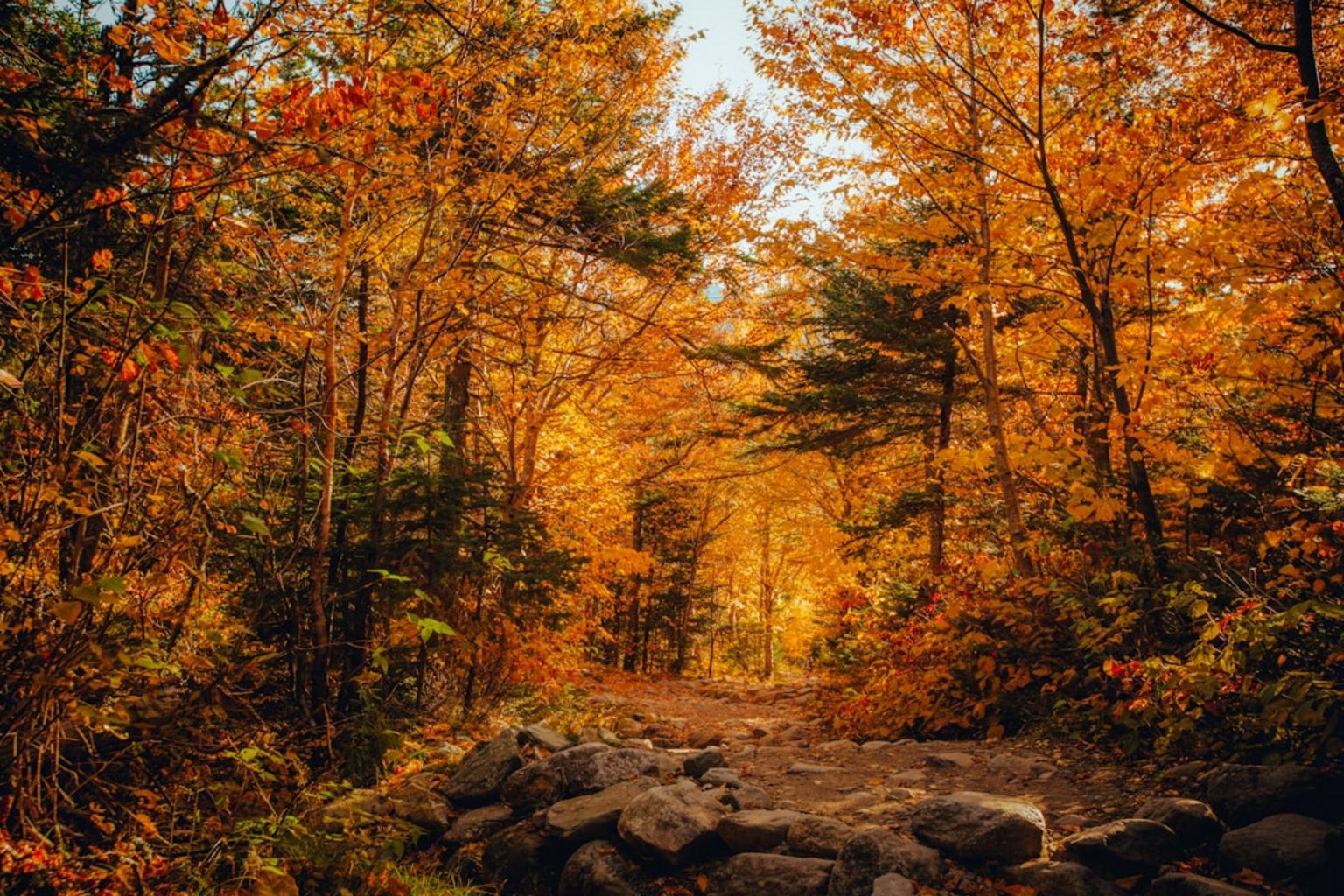
Preparing Yourself, essential pre trip safety measures for fall
Documents
Check passport expiration now, many countries want at least six months of validity. Make physical and digital copies of your passport, visas, and reservations, and leave one copy with someone at home. People assume a scan on their phone is enough, but phones break or get stolen. A paper copy speeds things up at the embassy or police station.
Health preparation
See a travel health clinic four to six weeks before departure and ask about required or recommended vaccines and destination specific risks. Pack medications in your carry on, keep them in labeled bottles, and bring a prescription or a doctor note. If you wait until the last week, some vaccines will arrive too late or appointments will be hard to book.
Travel insurance
Buy travel insurance that covers medical emergencies, evacuation, and trip cancellation for weather or illness, and read the exclusions before you buy. Some plans do not cover risky activities or preexisting conditions. The trade off is clear, good coverage costs more, but an evacuation flight can cost tens of thousands of dollars.
Plan for seasonal weather
Expect layers, wet weather, and shorter daylight. Bring a waterproof jacket, an insulating mid layer, and an umbrella or poncho. Check local forecasts the week before you leave, not just the day of travel, and remember that UV at high altitude can still burn in fall, so pack sunscreen.
Book reputable services
Use established platforms, official payment methods, and read recent reviews. Verify property addresses on a map before you arrive. For airport pickup, prebook a transfer if you arrive late; fake listings and unlicensed drivers are common near busy airports.
Connectivity and money
Tell your bank your travel dates, bring at least two cards, and some local cash. Set up an international phone plan or eSIM before you leave so you avoid SIM swapping or service gaps on arrival. Keep your bank phone numbers on a paper copy in case your phone dies.
Smart packing for autumn adventures
Packing for fall means thinking about swings in temperature and wet ground, not just fashion. Use a moisture wicking base, an insulating mid layer, and a waterproof outer shell, and add a warm hat and gloves for mountain areas. This layering works well on day hikes with big temperature changes; a heavy jacket alone is fine for city trips with stable weather.
You can scan this short list when you pack, then close the bag and stop tinkering. Make sure your footwear is waterproof and grippy, bring a small towel and a compact umbrella, and include a portable charger, charging cable, and a power bank allowed in carry on luggage. For health, carry a small first aid kit with bandages, blister pads, antiseptic, pain reliever, cold and flu meds, and insect repellent if you will be in tick country.
Bring extra prescription meds for at least five days beyond your trip length, and carry a tick remover if you will be on wooded trails. A good power bank adds weight, so only bring one you will actually use.

Navigating transportation safely in fall conditions
Choose reliable transport by booking taxis, trains, and buses through official apps or stations and verify rideshare driver names and license plates before you get in. Prearranged airport transfers reduce the chance of being approached by illegal drivers. In very remote areas there may be no official rideshare service, so plan alternatives like a local taxi number or shuttle.
Driving in fall means watching for fog, wet leaves, early frost, and deer crossing at dawn and dusk. If you rent, learn local road rules and whether you need an International Driving Permit. Having four wheel drive does not fix poor visibility or black ice, so slow down and give yourself extra stopping distance.
Public transit caution: keep bags in front and zipped because pickpockets act fast during rush hours and at crowded stations. Avoid displaying cameras or expensive phones in busy areas. A bulky anti theft bag is safer but heavier and slower to access, so decide what trade off you want before you leave.
Non motorized transport requires extra caution in wet conditions. If you rent a bike or a scooter, check daylight and weather first and wear a helmet. Avoid scooters on wet leaves or icy sidewalks.
Staying healthy and alert during autumn travels
Cooler weather brings colds and flu more easily, so stay hydrated, eat regularly, and skip crowded indoor spots if you start to feel unwell. At higher elevation you can get dehydrated even when it feels cool, and jet lag plus shorter daylight drains alertness faster than people expect, so plan a low key first day.
Follow food and water precautions where needed, use bottled water, and avoid salads washed in tap water. In regions that still have mosquitoes in autumn, keep using repellent. Check for ticks after hikes and remove them promptly.
Sleep matters. Shorter days can trick you into going to bed early and waking groggy, so set a simple sleep schedule and stick to it. If you feel drowsy walking alone at night, pick a taxi instead.
Emergency health resources
Know where the nearest hospital and pharmacy are for your base and save local emergency numbers. Keep your travel insurance card and provider hotline both on your phone and on paper.
Fall specific local safety and cultural awareness
Look up local festivals, hunting seasons, and road closures that could affect access. Wildlife migration or hunting seasons can suddenly close trails or change animal behavior; check notices from parks and local authorities before you head out. In small towns festival crowds can overwhelm services, so book early and give yourself extra time.
Learn basic local laws and customs for cooler months, including any seasonal restrictions on parks or trails. Fines for breaking local rules vary widely; learn a few key rules before you go so you do not pay more than necessary.
Avoid posting live updates that show your home is empty. If you must share, send private messages or wait until you return. Dressing in practical layers and muted colors helps you blend with locals and attracts less attention. Tourists who stand out tend to draw more scams and unwanted approaches.
Fall adventure activity safety checklist
Before you start a hike or other outdoor activity, think about the season, the trail, and how long daylight will last. Expect muddy trails, slippery leaves, and sudden frost. Choose trails rated for your skill and the season, and bring traction devices if there is any chance of ice. A trail that is fine in summer can be dangerous after rain.
Learn how local wildlife behaves and take appropriate precautions. In bear country carry bear spray and store food properly, and in general keep distance and never feed animals. For complicated or risky activities like mushroom foraging or hunting, hire a certified guide. Guided trips cost more, but they also reduce the chance of getting into trouble on unfamiliar terrain.
Use waterproof hiking boots, trekking poles, a layered daypack, and a headlamp. Check weather and trail reports the morning you go. If conditions look worse than expected, change plans rather than push on.
Personal security during fall travel
Keep passports and cards on your person, not in checked luggage, and use hotel safes for backups. In crowded places wear a neck pouch or money belt. Fall nights come early, so avoid walking alone on poorly lit streets and pick busy, well lit routes. If you must be out late, take a licensed taxi or rideshare and share the trip with someone at home.
In social situations watch your drinks and keep track of rounds. If a venue pressures you with odd fees or bad behavior, leave. On devices use a VPN on public Wi Fi, strong passwords, and do not post detailed travel plans on social media.
Emergency preparedness and contingency planning for fall trips
Save local emergency services, your embassy numbers, your insurance hotline, and a home contact in one place and leave a copy with a trusted contact. Download a local weather app and the Red Cross app for alerts and first aid guidance, and enable location notifications for severe weather.
Know evacuation routes for floods, storms, or early snow closures and keep a small stash of emergency cash separate from your main wallet. Agree on meeting spots and check in times with travel companions. In remote areas consider a satellite messenger if cell service is unreliable.
Conclusion
Fall trips are rewarding and mostly low risk when you plan for the season. The right documents, travel insurance, and layered packing will handle most weather and health surprises. For transport and activities, use reputable providers, be honest about your limits, and respect daylight. Carry a small, practical first aid and tech kit, and make a short emergency plan you can actually follow.
Next step: make a one page checklist tonight. Include a passport copy, medications, your insurance phone number, two cards, a waterproof jacket, and a portable charger. Keep that sheet on your phone and print a copy to put in your luggage. Small prep now saves time and stress on the trail or in town this fall.