
You want a beach trip that doesn’t feel like you left a mess behind. Maybe you’re tired of crowded tourist beaches, or you want a family-friendly spot where the water is clean and wildlife still lives. Or you want a comfortable, even luxurious stay that follows green rules. Picking an eco friendly beach for 2026 means balancing clean water, real conservation, and a travel style that fits your budget and energy.
Below are clear checks and real choices to help you decide where to go and how to travel without overpromising on what “eco” means.

What makes a beach truly eco friendly in 2026?
Not every “green” sign is real. Look at these practical features when you compare beaches.
Clean water and tested results matter more than a pretty photo. Blue Flag beaches, awarded by the Foundation for Environmental Education, are tested regularly for water quality. If you want low risk for kids and snorkeling that’s actually safe, choose beaches with recent testing and check lifeguard hours and posted results before you go.
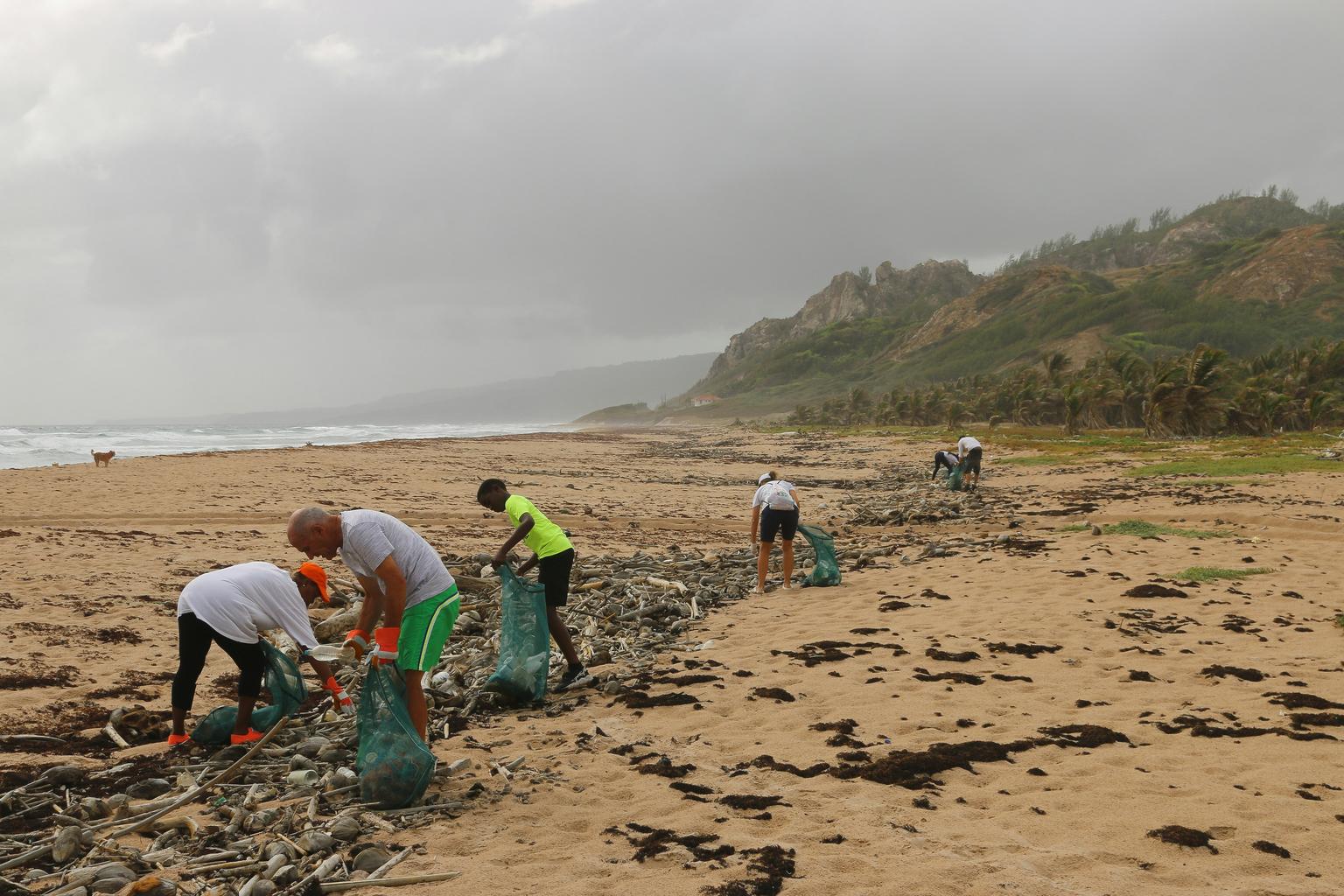
Environmental management on site needs staff and systems, not a single labeled bin. Real programs include dune protection, waste sorting, and organized clean-ups backed by local authorities or community groups. A resort that tidies its own stretch is useful, but that doesn’t always mean the wider area is managed.
Safety, accessibility, and services reduce accidental damage. Clean restrooms, lifeguards, and marked paths keep people off fragile dunes and cut down on trash left behind. Tiny unregulated coves can look pristine but are often unsafe for a long family day because they lack these basics.
Environmental education and community benefit show longer term thinking. Beaches that run nature walks, local-guide talks, or turtle-nesting programs usually put money and effort into protection. These programs often charge small fees or ask for tips, so plan for that cost if you want the experience.
Blue Flag beaches remain a strong indicator of these standards. They are not perfect, but they are a reliable starting point when you want eco friendly beaches in 2026.
Hidden Blue Flag and low-crowd beaches worth considering
Here are lesser-known or quieter Blue Flag beaches across regions. For each, a note on why it fits and a practical trade-off.
- Playa de Rodas, Cíes Islands, Spain: White sand and strict visitor limits help protect dunes and wildlife. Access is by ferry with limited seats, so book ahead if you want a day trip.
- Elafonissi Beach, Crete, Greece: Lagoon-like shallow waters and conservation signage make this calm for kids. It can still get crowded in the high season; go early in the morning to avoid the worst of it.
- Kaputaş Beach, Kaş Kalkan, Turkey: Tucked between cliffs with less nearby development, it feels more natural than many tourist bays. Reaching the sand means steep steps down, so it’s not ideal for people with mobility issues.
- Pikakari Beach, Tallinn, Estonia: Strong water quality monitoring and nearby walking trails give a mix of city break and active beach time. Baltic water is colder, so plan for shorter swims or warmer clothing.
- Radhanagar Beach, Andaman Islands, India: Protected shoreline, low development, and good natural cover make this a conservation-focused choice. It is remote, which raises travel time and cost.
- Flamenco Beach, Culebra, Puerto Rico: Popular but managed with clear rules and generally good water quality. Tourism levels vary by season, so check local conservation notices before you go.
Before booking, confirm the current Blue Flag status for any spot. Statuses and rules change year to year
How to cut your footprint when visiting an eco friendly beach
You can harm a protected place without meaning to. Some simple habits make a difference.
Transport choices matter. Public transit and ferries usually produce less carbon than private transfers, and on short hops between towns a bus or train is often the lowest-impact option. If you rent a car for a remote island, pick one with good fuel economy and keep your driving to a minimum.
Bring the right gear. A reusable water bottle, reef safe sunscreen, and a small trash bag are small items that reduce waste and temptation to leave things behind. Don’t assume a paper bag will break down quickly on a salty beach — pack it out and dispose of it properly.
Stay on marked paths to avoid trampling regrowth that may take years to return. Popular photo spots on social media sometimes sit on fragile vegetation; skip the shot if it means walking into a protected area.
Support local rather than big chains. Eating at village cafés, hiring local guides, and buying from small makers keeps money in the community. Expect simpler services or the need to book ahead in some places; that’s the trade-off.
Choose reef safe activities. Avoid touching coral, anchor on sand, and pick operators who enforce no-touch snorkeling rules. These choices reduce lasting damage to reefs and the creatures that live there.
Before you go, check local rules on fires, drone use, and wildlife interactions. Many places restrict these to protect nesting animals and habitats.
Luxury stays that actually practice sustainability
Luxury and eco friendliness can mix, but the marketing often runs ahead of the reality. Look for concrete measures rather than green-sounding words.
Real eco luxury shows energy and water efficiency, local sourcing, and waste reduction in practice. Solar panels, water recycling, a menu that buys from nearby farmers, staff hired from the local area, and a ban on single use plastics are the kinds of things that indicate real effort.
It is worth paying more for a resort when that money goes into local conservation and jobs. A hotel that funds a turtle protection program and hires local rangers is a clear example. On the other hand, big chains that sell “green” rooms but keep bulk single use items around the property are often not returning value to the community.
Ask for proof if you need to justify the cost. Many properties publish sustainability reports or have third party certifications; if they cannot show recent evidence of their claims, treat the marketing with skepticism. Good Housekeeping’s 2026 travel awards highlighted resorts combining comfort and green practices, but these commitments change, so check current details.
How to find truly hidden eco beaches in 2026
Hidden doesn’t always mean better. Use selective sources and local knowledge to avoid accidentally harming a quiet place.
Start with trusted platforms such as Blue Flag lists, local conservation pages, and recent travel awards. Those sources show which beaches are monitored and give clues about current conditions. Don’t rely on a single old blog post as proof a beach is still uncrowded or healthy.
Talk to local eco tour operators. They often know the less crowded coves and have rules to limit visitors and teach proper behavior. These tours usually cost more, but the smaller groups and local guidance often keep impact down.
Travel off peak to reduce strain on local infrastructure. Visiting outside the busiest weeks makes it easier for a small community to absorb visitors. Be careful though: some protected areas close during nesting or breeding seasons, so always check local calendars before planning.
A small example: a coastal village with a community run beach may offer simple guest houses and guided walks. That supports locals and conservation, but expect humble amenities and limited wifi.
Decide whether you want remoteness or a managed, low impact experience. They are different things and require different expectations.
Why eco friendly beaches matter beyond a pretty view
Beaches are living systems, not just scenery. Healthy dunes and reefs act as buffers in storms and support fish, birds, and coastal people.
Removing vegetation or breaking coral weakens that protection, and recovery can take decades rather than months. Sustainable tourism helps local livelihoods when money reaches workers and funds protection programs, but mass, fast tourism often strips resources and leaves little behind.
Your travel choices are small but real. Choosing a Blue Flag beach, picking a vetted tour operator, or staying where a resort publishes its sustainability report nudges demand in a better direction. What you should not do is hunt for “undiscovered” spots purely for social media. That habit draws crowds and causes harm; if you find a fragile place, keep the location quiet or support local protection work instead.
Conclusion
Picking eco friendly beaches in 2026 is about trade-offs. Decide what matters to you: shorter travel time, lower crowds, strict protection, or comfortable lodging that gives back. Check current Blue Flag listings, look for recent water tests and local rules, and favor operators who show clear, recent actions rather than PR language. Pack smart, choose transport carefully, and plan around nesting or protection seasons.
A practical next step is to pick two beach options that match your priorities, one nearer and one farther. Call or email local conservation groups or the resort and ask a few direct questions: recent water tests, beach management plans, and how visitor fees support the community. That quick check takes little time and will greatly reduce the chance your visit harms the place you came to enjoy.