
You want a quiet beach, not the parking lot kind. But quiet usually comes with harder access, fewer services, and more planning. Do you pick a short ferry ride in Florida or a gravel road out to Northern California? Do you worry about tides, animals, or whether you need a visa for Albania or Tanzania? This post helps you choose a spot, check the right things before you go, and pack so the trip stays fun instead of stressful.
What hidden beaches are and why people go looking
Hidden beaches are usually small, less crowded, and often take some effort to reach, whether by ferry, a hike, or a dusty road. People go for quiet, wildlife, and the sense of space you don’t get at a busy town beach. You can run into sea turtles, dolphins, manatees, shore birds, and sometimes whales.
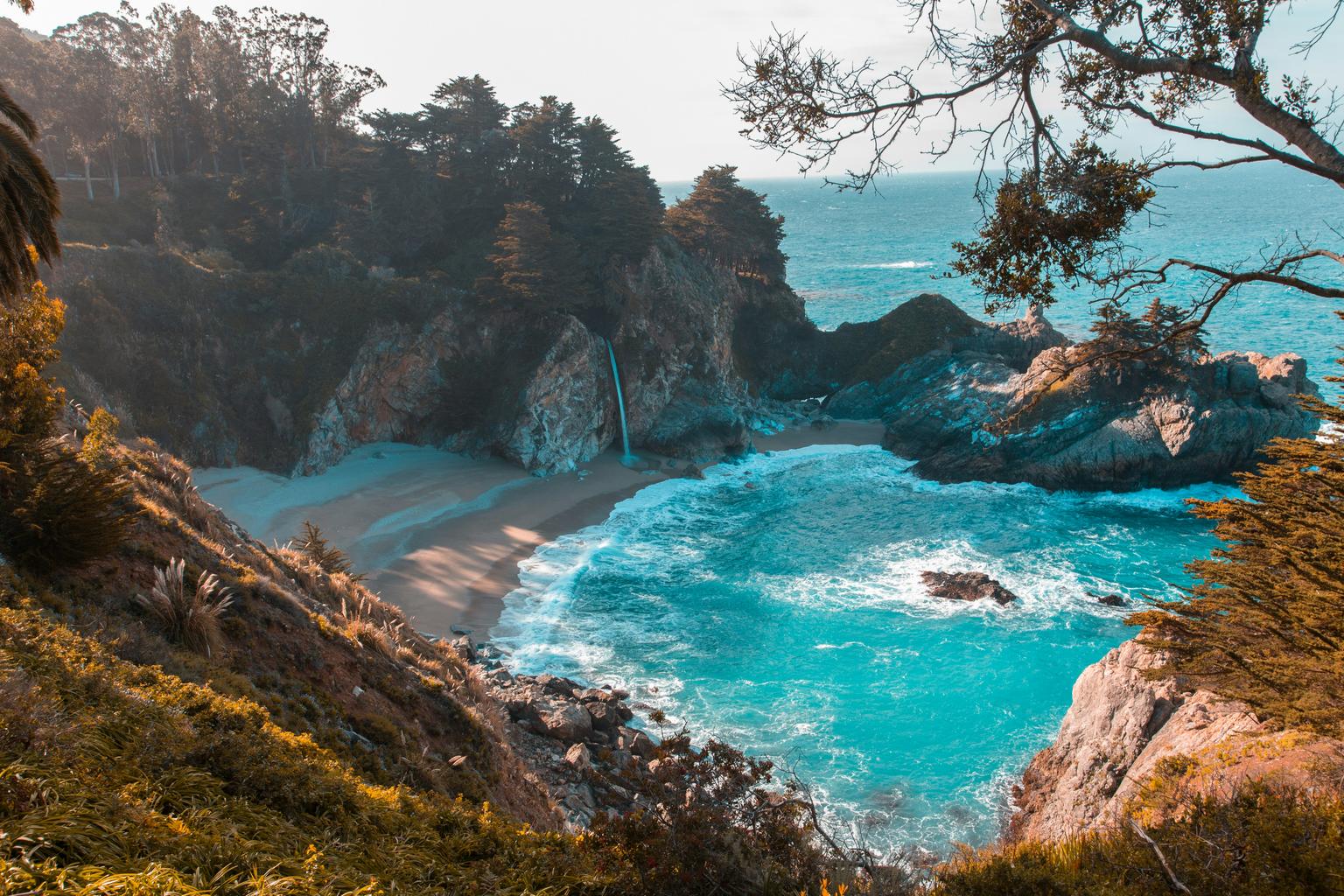
These spots are not always easy. Expect fewer restrooms, fewer lifeguards, and limited cell service in some places. If you want solitude but also easy access and full facilities, a hidden beach is a trade off: more peace, less convenience.
Hidden beaches in the United States
Cayo Costa State Park, Florida
Cayo Costa is a remote barrier island with about nine miles of undeveloped shoreline and excellent shelling. It’s only reachable by private boat or ferry. The Instagram report lists a two dollar park entry and a small tram fee of about three dollars, or about three quarters of a mile walk from the ferry drop. Confirm current fees, tram status, and whether camping restoration is finished before you go.
You’ll see dolphins, manatees, and sea turtles. Make it a full day trip, bring water and shade, and expect no convenient stores. Dogs are allowed in park areas but may be restricted on some beaches, so check rules first.
Northern California secret beaches
The northern California coast is wild and often low on services, so timing around tides matters. The roads can be rough and sections require long hikes.
Lost Coast in Humboldt County is reached via Mattole Road, mostly gravel. Sections are long hikes, about 24.6 miles north and roughly nine miles south in the more accessible parts. You’ll see elephant seals, otters, eagles, and sea lions. Wildflowers are at their best April through June. This is not for weak tires or for a one hour detour; plan an overnight or a very long day.
Baker Beach in Trinidad requires a one mile hike through redwoods that drops you onto a dramatic coast. It is not a swim spot, but it’s excellent for tidepools and photos.
Glass Beach in Fort Bragg is covered in smoothed sea glass from an old dump. The shore is protected, so don’t collect pieces. Low tide gives the best views, and walking north from the main area finds quieter stretches.
Hidden Beach near Klamath sits at the end of a tucked away half mile trail close to the Trees of Mystery. It is a moderate hike and pets are often prohibited.
Bowling Ball Beach in Mendocino has round concretions sitting in the sand, best seen at low tide. Watch the tide chart and note the bluff trail down is steep.
A practical rule for northern California: check tide charts, wear layers, and bring waterproof hiking shoes. If you are not comfortable on gravel roads or long hikes, skip the Lost Coast and pick an easier spot.
San Diego area hidden beaches
San Diego offers year round mild weather and plenty of options close to the city, so you can get quiet without committing to a full day on rough roads. Oceanside tends to be less crowded, and it’s good for beginner surfers and long beach walks. Moonlight Beach in Encinitas is relaxed and family friendly, with a nearby garden and playground. Carlsbad State Beaches have quieter sandy stretches and boardwalks, useful for easy nature walks. Sunset Cliffs Natural Park delivers cliffs, tidepools, and small sea caves when the tide is low, great for exploring and photos.
Plan beach time around food: San Diego tacos are worth building your day around. For history, the San Luis Rey Mission is nearby to add a short cultural stop.
Hidden beaches around the world
Puerto Rico, Luquillo area
Near Luquillo you’ll find a mix of surf and calmer water: La Pared for surf, Punta Bandera and Balneario Luquillo for gentler swimming, and Playa Escondida near Fajardo. Activities include surf lessons, bioluminescence kayak tours, and nearby rainforest hikes in El Yunque. Rip currents can be strong at times, so check local forecasts and avoid going far from shore unless you are experienced.
Zanzibar, Tanzania
Zanzibar has long, shallow beaches and clear water at spots like Mtende, Paje, and Nungwi. Expect snorkeling, scuba, dhow sunset cruises, henna tattoos, and spice tours in Stone Town. Flights go to Dar es Salaam or directly to Zanzibar. You generally need a visa for Tanzania, so verify current 2026 rules for your nationality before booking.
Albania
Albania’s beaches, such as Gjipe, Sarandë, Dhërmi, and Ksamil, are affordable and less crowded than many Mediterranean coasts. The Llogara Pass offers a scenic drive and nearby mountain hikes. Albania is not in the Schengen zone, which can be useful if you need Schengen free travel time.
Montenegro
Look for pebble beaches at Morinj, and clear water at Kamenovo and Trsteno, often with mountain backdrops. Lake Kotor is close by for boating and sightseeing. Like Albania, Montenegro is outside Schengen for most travelers.
South Africa, Hermanus
Hermanus has Grotto Beach, a long calm stretch, Lovers Cove which is more of a secret cove, and Onrus and Voelklip for surf. June through December is whale watching season from shore or on a boat. Fly into Cape Town and drive about ninety minutes to Hermanus.
Smart checks before you go
Before you lock anything in, check the practical access details that people often miss. Ferry timetables and tram operation change for maintenance or storms, and trail closures are common after heavy weather. Park rules and pet policies can change after restoration work. For international trips, look up visa requirements for your nationality, since Albania, Montenegro, Tanzania, and South Africa all have rules that vary by traveler. Tide charts and weather forecasts matter for tidepools and coastal hikes; low tide opens up rock formations and tidepools, while storms can close trails or ferry services. Don’t assume services are available until you confirm them within a week of travel.
Gear, safety, and practical trade offs
Bring the basics and keep them simple. A small kit will cover most hidden beach days:
- Water, sun shade, waterproof shoes, layers, tide chart, small first aid kit, and a phone battery pack
Remote sites trade comfort for quiet. If you want a kiosk, restrooms, and lifeguards, pick a town beach instead. Gravel roads take more time and wear on your vehicle than you expect, so plan extra driving time and know whether your car is suitable. Camping at some places, like Cayo Costa, may still be under restoration; don’t assume sites are open until you’ve confirmed them.
Adventure activities and what changes by trip
Surfing spots like La Pared in Puerto Rico and Onrus in Hermanus work for beginners when conditions are right. If you need lessons and rentals, choose a nearby town with surf shops rather than a remote cove. Hiking near beaches ranges from short rainforest walks in El Yunque to multi day routes on the Lost Coast; longer hikes need water, permits in some areas, and a clear plan for where you will camp or exit. Wildlife viewing is seasonal: manatees and dolphins in Florida, sea turtles in warm water locations, and whales off Hermanus. For snorkeling and diving, Zanzibar and parts of Montenegro have clear water; use an operated dive shop if you lack experience. Cultural extras like local food, spice tours in Zanzibar, and small beach bars in Luquillo add time and are worth a small budget.
Wrap up and a practical next step
Hidden beaches give you real quiet and better wildlife chances, but they demand planning. Pick one region that fits your skills and schedule: a day trip ferry to Cayo Costa if you want minimal hiking, a car and hike plan for Northern California if you like remote trails, or a beach plus culture trip to Luquillo or Zanzibar if you want activities and food nearby.
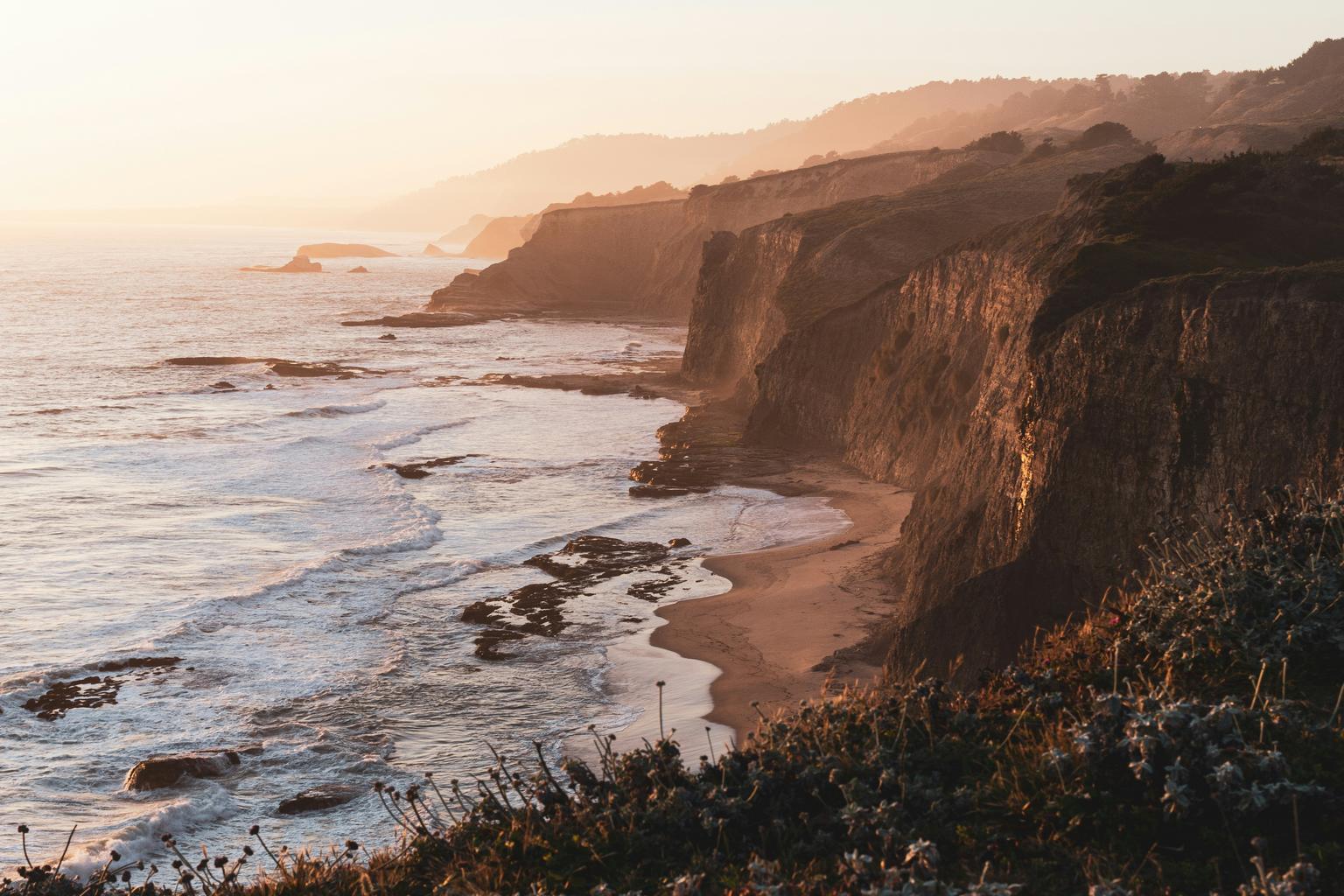
Before you book, check access and rules for 2026: ferry timetables, tram service, camping status, park fees, and visa rules can change. Make a short checklist to use before you leave
- transport, tide chart, water and shade, phone battery pack, and a backup plan if the trail or ferry is closed
Start with one small trip and learn the trade offs: solitude usually costs effort and fewer services. If that sounds right, you’ll find beaches that feel almost private. If you want, share which region you are thinking about and I will help you narrow your first choice.