
Introduction
You want a short trip that feels like a break but not like a big carbon bill. Maybe you have one or two days free and you want to get out of the city. You also care about nature and local shops. Picking a sustainable weekend getaway means balancing travel time, cost, and real green practices, not just green-sounding words.
This post helps you pick and plan short stays near cities that cut waste, support local people, and still feel fun. You’ll find what to check before you book and realistic trade-offs so your trip actually ends up low impact.
What are sustainable weekend getaways?
Sustainable weekend getaways are short trips that try to lower harm to the environment and help nearby communities. They usually do two things: reduce resource use such as energy, water, and waste, and use local services like food, guides, and crafts.
Common features you’ll see:
- Solar panels, LED lighting, and efficient heating.
- Low flow showers and smart water use.
- Recycling, composting, or low waste operations.
- Local, seasonal food on the menu.
- Buildings using recycled or low impact materials.
- Small, locally run places that hire local staff.
- On site nature or farming experiences such as regenerative farm tours and wildlife programs.
When this works: you’re close enough that travel time is short and public transit or carpooling is possible. When it doesn’t work: if the only eco option is far away and needs a long drive or flight, the savings at the stay rarely make up for transport emissions.
What people often get wrong: thinking a place is sustainable because it’s rustic or small. Ask about real practices and look for proof.
Why choose a sustainable weekend getaway?
Short trips to places that actually reduce energy and water use tend to have lower overall emissions than trips that involve long drives or flights. Choosing a stay that uses clean energy, efficient heating, or water-saving fixtures makes a noticeable difference for a one or two night trip.
Small hotels, farms, and locally run inns also keep more of your spending in the local economy. A night at a family run inn and a meal at the farmers market move money to local staff and producers rather than a large chain.
You’ll likely feel it too: fresher food, fewer strong cleaning chemicals, and quieter surroundings make the break more restorative. If that matters, look for places that explicitly use organic food or gentle cleaning products.
What to check first: are there third party eco labels or clear sustainability facts on the site, and do recent guest reviews mention the specific green efforts you care about.
When it’s not worth it: if the sustainable option more than doubles your travel time or cost without clear local benefits, pick a closer choice instead.
Top examples of sustainable weekend getaways near cities
Below are real ideas you can book from a city. I focus on the Bay Area with some general inspiration you can use anywhere.
Bay Area ideas for one or two night trips
Marin Headlands and Point Reyes are close to the city and good for hikes, tide pools, and small eco friendly inns. These spots work if you want rugged coastal scenery without a long drive. Watch tides and local parking limits, which can be annoying on busy days.

Tomales Bay and Half Moon Bay are beaches with oyster farms and coastal trails. Half Moon Bay gets pricey on peak weekends, so try shoulder season to avoid crowds and high rates.
Monterey Coast and Big Sur feel remote but recent repairs reopened key coastal roads, making reliable two to three day routes possible. Still check road status before you go and avoid packing an overly tight schedule that turns the trip into a long drive.
Napa and Sonoma now have farms running educational field days and tastings that talk about soil health and water use. These are great if you want food and farm experiences, but expect higher prices and booking windows that close early.
When these fit: you want a nature focus and can leave Friday night. Trade offs: coastal towns can charge more and fill fast on weekends.
Accommodation types and when to use them
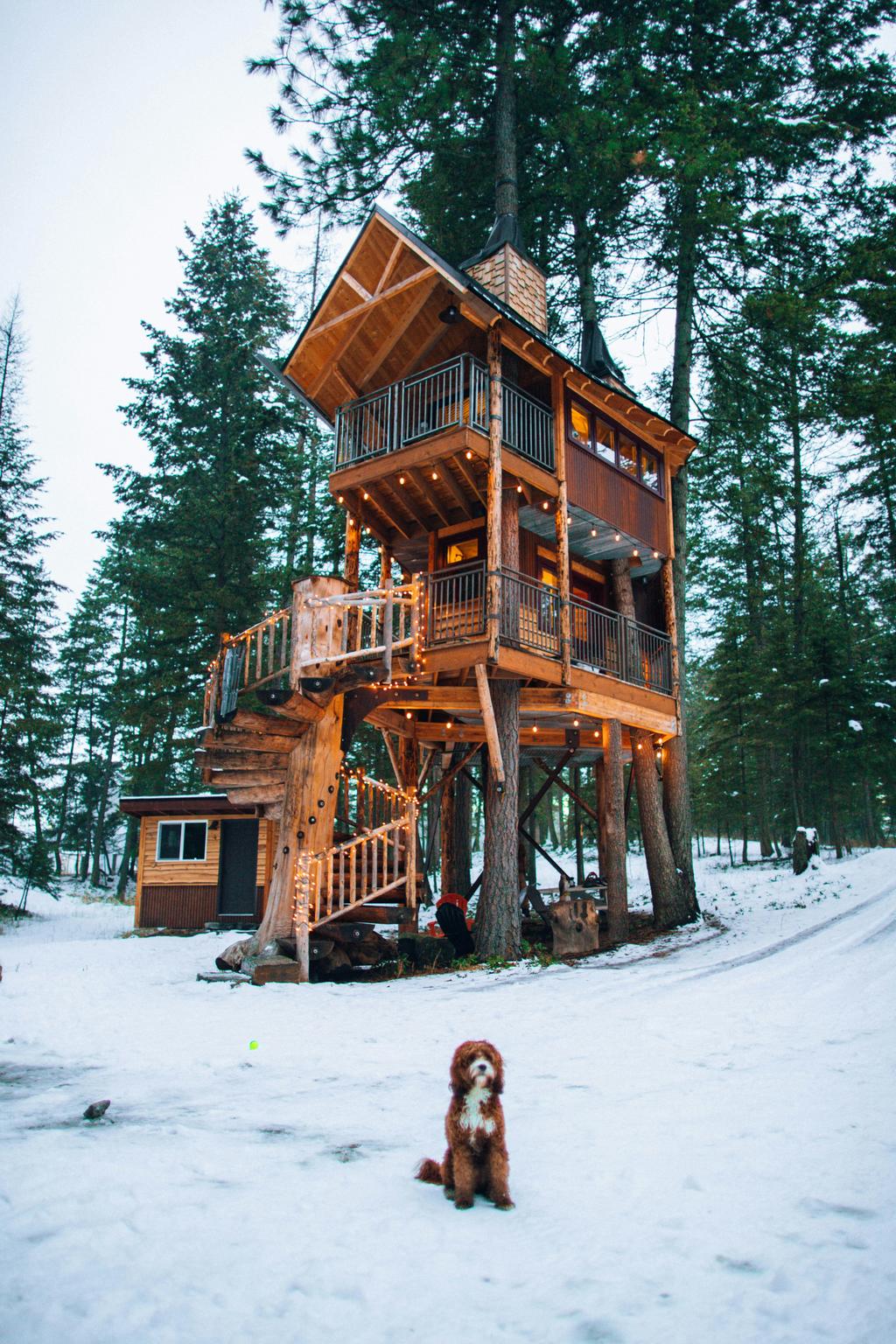
Treehouse cabins feel special and are often built from reclaimed wood. They are great for short nature escapes and photos, but expect smaller spaces and higher prices.
Yurts and human nests are minimalist and unique, and good for light packers who do not need hotel style comfort. They work best in dry weather and are not ideal if you need a quiet indoor workspace.
Eco lodges and farm stays are best when you want meals and hands on experiences. These places usually have fewer rooms and require booking further in advance.
Boutique green hotels in towns tend to be easier to reach by transit and often list formal green policies. They are a good option if you want comfort with a lower impact.
A realistic example: if you live in San Francisco and want a coastal weekend with a sustainable stay, pick a nearby eco lodge in Half Moon Bay or a treehouse in Santa Cruz. Avoid driving all the way to Big Sur if the road conditions or time cost make it a rush.
How to find and book sustainable weekend getaways
Start by checking for recognized labels such as LEED, Green Key, or Green Seal, or local programs like Napa Green. Labels are not a perfect guarantee, but they give you a place to start and usually mean an operator has some measurable practices.
Use platforms that specialize in eco stays to compare features, and read recent guest reviews for specific mentions of recycling, water saving, or food sourcing. If the listing is vague, email or call and ask direct questions about energy sources, waste handling, and whether they hire locally. Real operators respond with specifics.
Also check transport options. Is the place reachable by public transit, or do they offer shuttle service or bike rentals? If driving is the only option, plan carpooling and confirm parking limits. Finally, watch seasonal pricing and cancellation policies, since small sustainable places can have strict rules and limited space.
Tips for planning a responsible and sustainable weekend getaway
Simple actions that matter
- Choose lower impact transport when you can, such as public transit, carpooling, or a hybrid vehicle. It may take longer, but it cuts emissions.
- Pack refillable toiletries and a reusable water bottle to avoid single use plastics.
- Follow Leave No Trace principles: stay on paths, do not feed wildlife, and pack out your trash.
- Buy local: eat at nearby restaurants, pick up produce from farmers markets, and shop artisan goods to keep spending in the community.
- Join an on site conservation activity if available, such as a beach clean, a farm work exchange, or a guided nature walk.
These are small, practical choices that genuinely reduce waste and support the places you visit. Expect some friction: public transit or bike options require more planning and often slower travel. If you want a very fast, zero planning trip, eco travel will feel harder.
What is not worth doing for many people: buying a lot of specialized eco gadgets or paying a large premium for a label that is not backed by clear practices. Often, spending locally and avoiding long drives gives more impact for less effort.
Outlook — the future of sustainable weekend getaways
Travel options near cities are getting easier to plan. Road repairs and better transit links make coastal loops and short wine country visits more reliable. Regenerative farming programs are adding learning experiences in wine regions. Tools now surface small, sustainable stays and show real time availability.
Caveats: watch for greenwashing, where vague language about being green replaces actual practices. Expect more dynamic pricing and limited room supply at small operators, so plan ahead if a place sounds worth it.
Closing
A sustainable weekend getaway is about choices: where you go, how you get there, and who you spend money with. For a practical next step, pick a radius you’re willing to travel, such as 60 to 200 miles, then look for stays that list clear practices and reachable transport.
If you want low hassle, choose a nearby eco certified hotel or farm stay that offers shuttle or bike rentals. If you want something different, try a treehouse or yurt but read weather and gear notes first. Book off peak nights when possible and ask the host about their real sustainability steps.
Small choices add up. A short, well planned trip that uses public transit or carpooling, supports local food, and stays at a place with real green practices gives you a break and keeps impacts lower.