
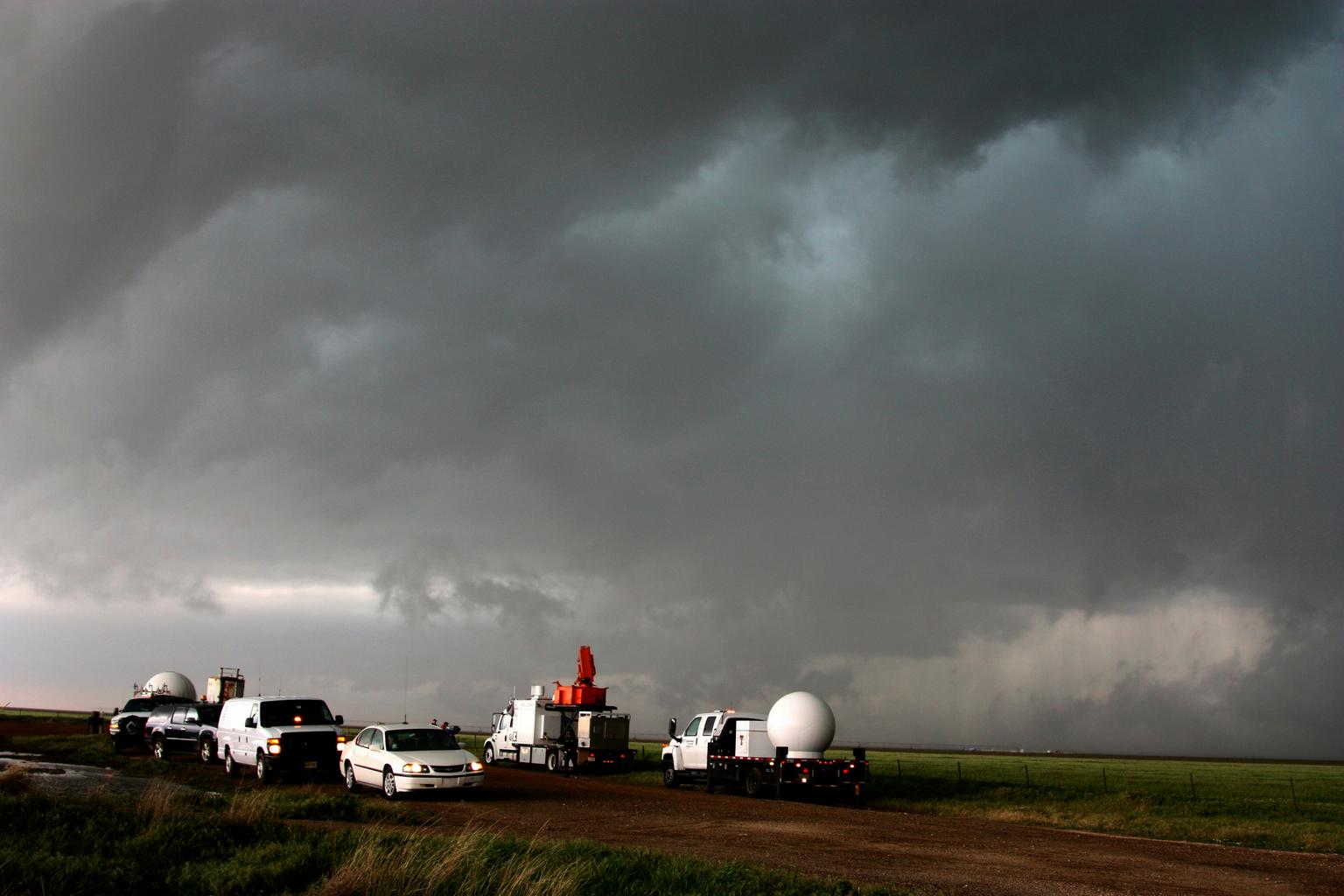
You booked a trip and then saw a wildfire photo, a heatwave warning, or a storm heading for your dates
Now you are deciding whether to keep the plans, change the timing, or pick a different place that feels safer and kinder to the planet. That is the real choice millions face in 2026.
Booking.com found nearly 75 percent of travelers consider weather risks when choosing destination and timing, and about 31 percent have canceled trips because of those risks, according to the Booking.com 2026 Travel & Sustainability Report. Those numbers change how people pick where to go, how long to stay, and how much they are willing to spend.
Why climate friendly travel matters more in 2026
Climate-driven extremes are not background noise anymore. Travelers mostly want to avoid trips ruined by extreme heat, wildfires, floods, or dangerous storms, because those events cut sightseeing short, close parks, and can put people in real danger. At the same time, “eco” labels on a website do not always mean the place handles weather risk or shares benefits with locals, so the usual green marketing can be misleading.
Before you book, check recent weather trends for your dates, local emergency plans, and whether the destination limits visitors or funds conservation. Those three checks tell you more about safety and lasting benefit than a glossy sustainability badge.
How extreme weather is reshaping travel choices in 2026
People are making one of three practical choices when weather looks risky: shift travel off-peak, head for a cooler region, or accept the higher risk and the possibility of cancellations. Many travelers have already started shifting: Booking.com reports 42 percent plan off-peak travel to avoid heat and crowds, and searches for cooler places jumped in 2025, notably for Slovenia, Norway, and Finland. On very hot days activities change too, with more shaded, indoor, or water-based options replacing long hikes or city strolls.
These approaches only work if you can be flexible. If your trip depends on fixed dates like a wedding or school holiday, your only realistic protections are stronger travel insurance and picking operators with clear contingency plans. Even then, last-minute storms or fires can still disrupt part of a trip, so check cancellation policies and insurance coverage before you book.
What makes a destination truly climate friendly in 2026
A destination that handles climate risks well does three things: it protects nature, it supports local people, and it plans for weather shocks. That is not always obvious from an “eco” label, and vetting claims takes time. Look for legal protections, visitor caps, and transparent reporting rather than relying on a single badge.
Look for these traits when you evaluate a place:
- Visitor pressure management, such as permit systems, booked time slots for popular trails, or daily caps. Those rules mean fewer last-minute options but a less crowded and more resilient experience.
- Legal protection and enforcement for parks and native habitats, including fines and active management. That tends to fit travelers who care about long-term conservation but may limit access to some sites.
- Local benefits, like high local ownership and community-led stays, plus clear funds for residents. This channels spending to the community, though it can raise prices and reduce brand-name comforts.
- Carbon plans and fees, similar to Bhutan’s Sustainable Development Fee, where funds go toward conservation and resilience. Expect higher upfront cost, but better-managed places over the long run.
Top climate friendly travel destinations for 2026
Some places stand out because of governance, enforceable rules, and visible investments in resilience and visitor management. Here are five practical choices and the trade-offs to expect:
- Costa Rica, with wide protected areas and easy-to-find community stays. Trade-off: rainy season timing matters for some activities.
- Bhutan, which limits visitors and uses a Sustainable Development Fee to fund conservation. Trade-off: higher cost and required travel through licensed operators.
- New Zealand, with regulated trails and booking systems for huts and campsites. Trade-off: remote travel usually means longer trips and higher transport emissions per visit.
- Slovenia, backed by a national sustainability framework and quieter alpine routes and wine regions. Trade-off: a smaller country with fewer big-city amenities.
- Iceland, which enforces visitor guidance and protects fragile landscapes. Trade-off: highlights get crowded unless you go off-season.
What most people miss is that a superficially green trip can still overload local capacity. If a place looks eco-friendly online, check whether rules are enforced and whether visitor limits actually exist.
Practical tips for climate friendly travel planning in 2026
Decide whether you want a faster, cheaper trip or a safer, lower-impact one. If you can be flexible, travel off-peak to avoid heat and crowds and pick activities that suit current conditions. Staying longer in one place reduces flights and spreads money more usefully in the local economy, though it does not suit everyone’s schedule.
Support local businesses and choose community-run stays when you can; that often costs more but keeps revenue in the community. Pack for variable weather and low waste, bringing light layers, a refillable bottle, sun protection, and basic first aid. When you book tours or hotels, ask directly about emergency plans and weather contingency policies rather than assuming they exist. Finally, pick refundable options or insurance that explicitly covers weather-related cancellations if your dates are fixed.

Future outlook, building resilience and sustainability in travel
Watch for destinations that invest in early-warning systems, resilient infrastructure, and staff training. Those public and private investments, like seawalls, trail repairs, and alarm systems, are the practical side of staying open and safe for visitors. If you travel frequently, spend time learning which regions publish adaptation plans. If you travel rarely, choose places already showing clear rules and visitor management.
A trend to watch is the growth of “coolcation” demand, where people head to cooler summer destinations. That helps some regions but can move visitor pressure to new places that may not be ready for it.
Practical caveat
Technology can warn you and help you make decisions, but it will not stop a sudden hurricane or a fast-moving wildfire. Always have backup plans, understand refund rules, and know how your travel insurance handles weather events.
Conclusion, a grounded next step
You are deciding between convenience, safety, cost, and impact. Climate friendly travel in 2026 means picking dates and places that show they can manage visitors and weather shocks, and being ready to change plans if conditions worsen. Before you book, check recent Booking.com trends and a destination’s adaptation or emergency pages, ask providers about contingency plans, and consider staying longer in one place so your visit benefits the community.
If you want one simple next step: pick a destination from the list above, read its visitor rules and weather records for your dates, and confirm that your preferred tour operator has a clear emergency policy. That small effort reduces the chance of a ruined trip and sends money to places trying to stay healthy for the long run.