
You’re planning a big road trip, maybe Route 66 across the U.S. or a summer drive through Europe, but you’re not sure if your EV will make it or how to find chargers. That worry can stop a trip before it starts. Charging in 2026 is much better than it used to be, but you still need to plan. Below are clear, practical points to help you pick routes, apps, and stops that match your car, schedule, and comfort level.
Can you really drive classic routes like Route 66 in an EV?
Short answer, yes, but plan.
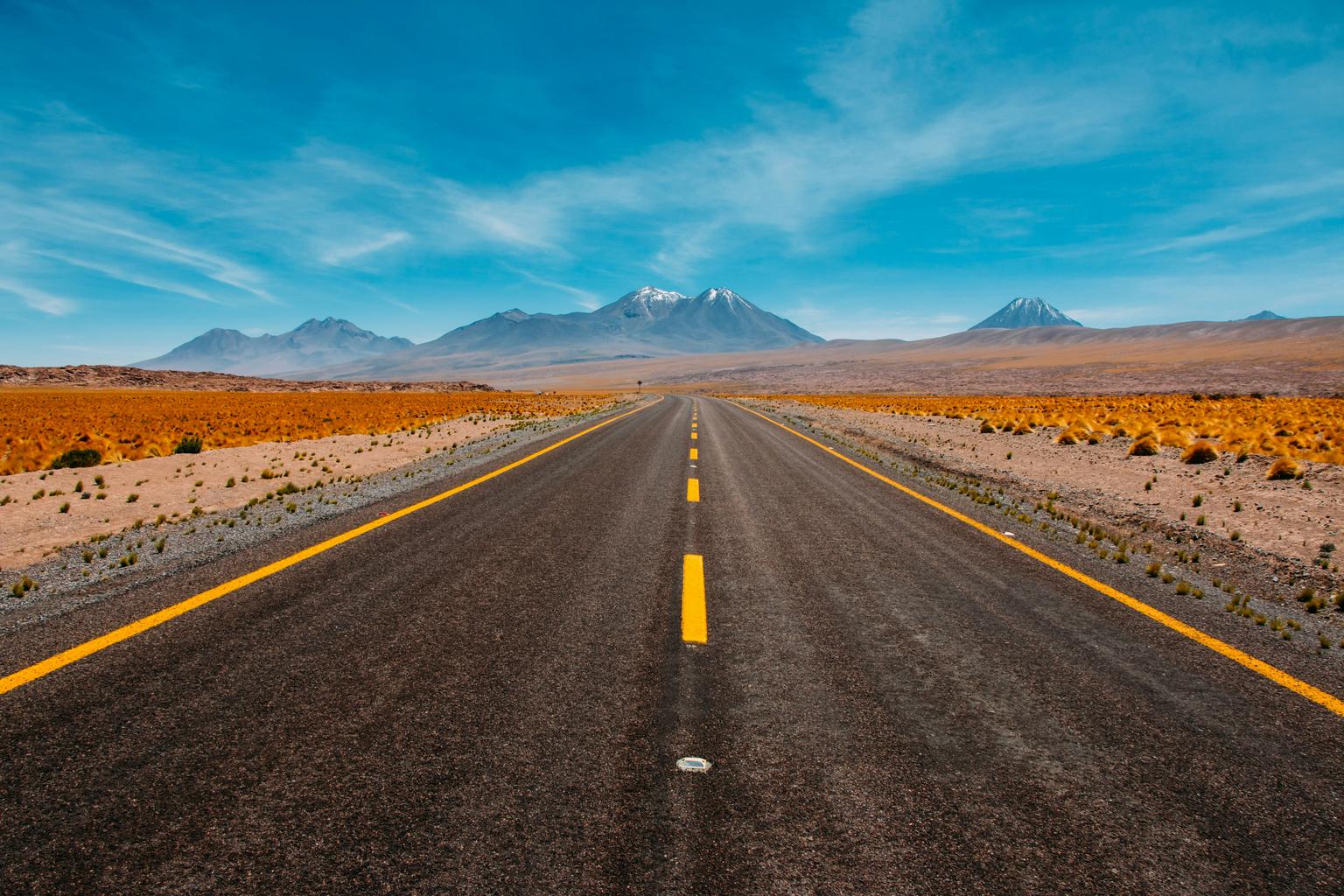
A recent analysis reported in Forbes, citing Climate Central, shows DC fast chargers appear about every 17 miles on Route 66 on average, and the longest gap is now about 110 miles in Arizona after recent additions (https://www.forbes.com/sites/emesemaczko/2026/06/05/ev-road-trip-on-route-66-where-to-stop-in-each-state-in-2026##). That sounds close, but what matters is your car’s real range and how you schedule stops.
What to check first
Before you map the route, check three things: your car’s usable highway range, the kinds of chargers on your route, and how weather and elevation will affect consumption. These three shape whether you can treat Route 66 like any other long drive or need extra padding.
- Your car’s usable range at highway speeds. A Tesla Model Y is rated up to 321 miles, and many modern EVs can cover 200 to 300 miles, but real-world highway range will usually be lower.
- Charger types along the route, DC fast chargers versus Level 2, matter because fast chargers cut stop time significantly.
- Weather and elevation, because hot or cold temperatures and big climbs can trim range and slow charging.
If you have a long range EV and plan stops at fast chargers, Route 66 will feel a lot like a long interstate drive. If you’re in an older low range EV or plan to rely mostly on free Level 2 chargers, expect tighter routing and longer waits.
Route 66, state by state: charging counts and must-see stops
Route 66 runs through a variety of landscapes and charging densities. Below are quick notes on charger counts and the kinds of stops you can make. Charger counts come from the U.S. Department of Energy AFDC and the Forbes roundup (https://afdc.energy.gov/stations/states and the Forbes link above).
Illinois
About 1,770 stations and 5,738 ports, of which roughly 2,655 are fast. Stop for murals in Pontiac, Cahokia Mounds, and classic diners. Charger density near Chicago is good, so you can start with confidence.
Missouri
Around 1,335 stations and 3,326 ports. Springfield offers history, and Neon Park in St. Robert is worth a detour. Rural stretches have fewer fast ports, so top up at larger towns.
Kansas
A very short stretch of the route. See the Kan O Tex gas station and the Rainbow Bridge. Chargers are sparse here, so don’t cut it close.
Oklahoma
About 395 stations and 1,668 ports, with roughly 1,020 fast. Tulsa’s Route 66 districts and events are lively, but expect busy chargers during big local events.
Texas, Panhandle
Approximately 3,745 stations and 12,288 ports. Amarillo and Palo Duro Canyon are good stops. The long plains encourage steady highway speeds, which raises energy use at higher velocities.
New Mexico
Roughly 469 stations and 1,197 ports. Visit the Route 66 Museum, the Blue Hole, and Gallup’s Indigenous arts. Some stretches are remote, so top up before leaving larger towns.
Arizona
About 1,479 stations and 4,642 ports, with roughly 1,432 fast. Flagstaff and Williams are good charging hubs near the Grand Canyon. Desert heat can hurt both range and charging speed, so charge earlier in the day when you can.
California
Around 19,425 stations and 64,842 ports, including about 17,926 fast. The Mojave National Preserve, Amboy Crater, and Santa Monica Pier are reachable, and charger density improves as you approach Los Angeles.
If you want concrete reassurance, plug your exact car model into a route planner and check the charging curve for your vehicle.
Scenic EV routes to consider in Europe in 2026
Europe’s charging networks are denser in many places, which makes short scenic drives easier to manage than long empty days through mountains.
- The UK, Great West Way from Bristol to London, about 150 miles: easy single-charge drives and many hotels with chargers.
- Norway, Bergen to Ålesund: spectacular fjords and very EV friendly services.
- France, Route Napoléon from Golfe Juan to Grenoble, about 200 miles: watch elevation because mountain climbs use more energy.
- Germany, Black Forest on the B500: smooth roads and chargers in towns along the way.
- Netherlands, Amsterdam to Rotterdam: short, flat, and very high charger density.
These routes work well if you plan short daily legs and rely on town charging or overnight top ups. If your plan is long mountain-only days, expect much higher consumption and longer charging sessions.
Charging apps to have on your phone in 2026
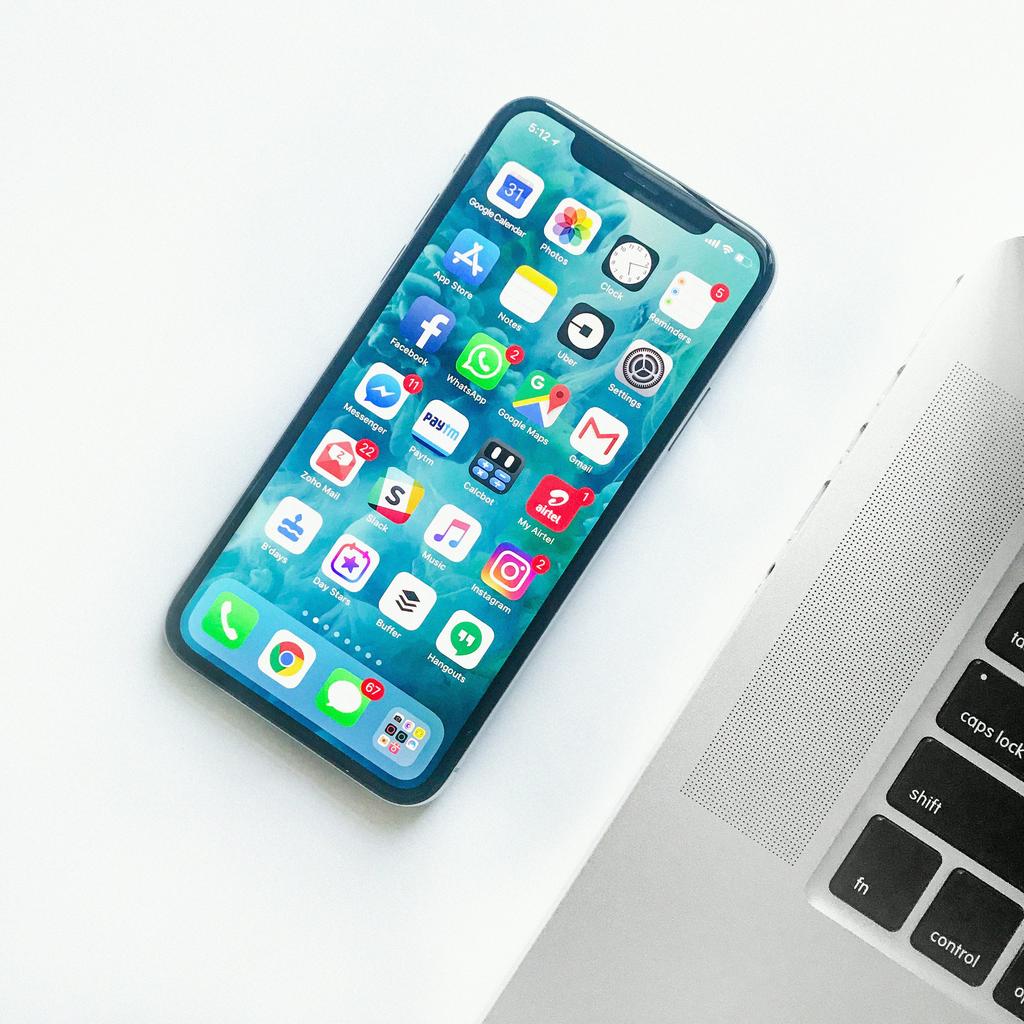
Apps have replaced most physical cards for planning and payment. Install two or three that together cover planning, payment, and price checks. Below are the most useful ones in 2026.
- Electra app, https://www.go-electra.com, with an Autocharge feature that starts a session automatically. Electra has a strong European ultra fast network and useful partners like Ionity and Fastned, but it’s most valuable where Electra and its partners are common.
- Chargemap, which offers community reviews and Chargemap Pass for billing. Good in Europe for local insights, though some networks add commissions.
- A Better Routeplanner, ABRP, which is the best trip planner if you want stops timed to your exact car model, weather, and elevation. It does planning only, not payments.
- PlugShare, a global map with user photos and notes, handy as a backup and especially useful in remote areas.
- Tesla App, now open on many Superchargers to non Tesla CCS cars in places like France. If you can use Superchargers, the Tesla App is worth having, even though rates and access vary by country.
- Fastned app, good for highway ultra fast charging in parts of Europe. Useful for long motorway legs.
- Chargeprice, which compares session prices across different badges and apps so you can find the cheapest option for a given stop.
What people get wrong is thinking one app will cover everything. Network rules and payment options still vary by country and operator. Have at least one planner such as ABRP, one map like PlugShare or Chargemap, and one operator app or badge you will actually pay with.
Why EV Connect is worth trying for everyday charging and road trips
EV Connect links a lot of charging networks and roaming partners and is not tied to a single hardware brand. The app shows real time availability, supports QR code starts as well as card and wallet payments, and tracks sessions. Their driver app lists more than 140,000 Level 2 and DC fast chargers through partners, and it has strong user reviews, about 4.5 stars on iOS with 6,700 plus reviews (https://www.evconnect.com/blog/best-app-to-find-ev-chargers-in-2026).
EV Connect fits when you want a single app that reaches many networks and gives clear session data. It won’t always be the cheapest option if an operator locks lower rates behind its own app, so you may still need that operator’s application sometimes.
Cool charging stops that make the trip feel less like waiting
Charging can be part of the trip, not a pause. Examples include Electrify America near Georgetown, Washington DC, where you can walk the neighborhood; EVgo in Sacramento near art studios; IONNA Rechargery in Apex, North Carolina, with a small downtown stroll; Electrify America around Moab, Utah, close to Arches trails; the Pilot Travel Center at Chemult, Oregon, for access to Crater Lake; EVgo in East St. Louis for a view of the Gateway Arch; IONNA at Wawa in Daytona Beach near motorsport; ChargePoint locations in Austin and Jackson, Wyoming, for parks and access to Grand Teton or Yellowstone; and EVgo in Portland, Maine, for museums and lobster rolls. These are not exhaustive, but they show how chargers can line up with food, short hikes, or local sights.
Practical planning tips that actually matter
Charge early rather than waiting until the last percent. Stopping with more battery leaves you less worried and avoids painfully slow charging when batteries are nearly empty or hot. Plan charging around meals or short hikes so the wait doesn’t feel wasted. Carry at least two charging apps and a backup payment method because networks and pricing change. Book hotels with chargers when you can; overnight AC top ups are the easiest and avoid many daytime stops.
Expect delays: charger outages, queues during holidays, or slower than advertised speeds happen, and they cost time. Troubleshooting at older or shared stations often takes longer than people predict. If you dislike waiting, plan shorter daily miles and more overnight charging instead of many DC fast stops.
Conclusion
EV road trips in 2026 are practical for many drivers. Modern cars and denser fast charger networks make classic routes like Route 66 and many European drives possible without constant anxiety. Still, do the right checks: confirm your car’s real world highway range, look up charger types and gaps especially in remote stretches, and carry a small set of apps for planning, mapping, and payment. Try EV Connect or PlugShare, set a charging rhythm that fits your travel style, and run a short test trip to build confidence before you commit to a coast to coast or Alpine run.