
You planned a long drive, then saw your car's range drop on the map and felt that little knot of worry. Do you stop more often than a gasoline driver? Which chargers actually work? Which apps should you trust? Those are the decisions people face when planning an EV road trip.
Why plan differently for an EV road trip?
EVs run on batteries, so you plan stops to charge rather than to refuel. Typical real-world range in 2026 is about 300 to 450 km per charge for many mainstream EVs, which is often enough but can vary a lot with conditions. Fast chargers can add roughly 300 km in 15 to 20 minutes on the right hardware and car, but only some car and charger combinations will reach those speeds.
People often assume every charger is fast or that every model charges at the same rate. That leads to surprises at a motorway stop. The first things to check are your vehicle's real-world range, its maximum DC fast-charge rate, and the connector type your car uses, such as CCS, NACS, or CHAdeMO. This is mainly for drivers planning multi-hour or multi-day trips; if you mostly do short runs, you do not need deep route planning.
Understanding EV charging levels
Charging comes in three common levels, and they serve different needs. Level 1, the domestic socket, is very slow and only useful when you can leave the car overnight and have lots of time. Level 2, AC charging at roughly 7 to 22 kW, is what you want at hotels or long stops; it adds tens to a few hundred kilometres over several hours. Level 3, DC fast charging from about 50 to 350 kW, is the road-trip standard, used for short daytime stops to keep moving.
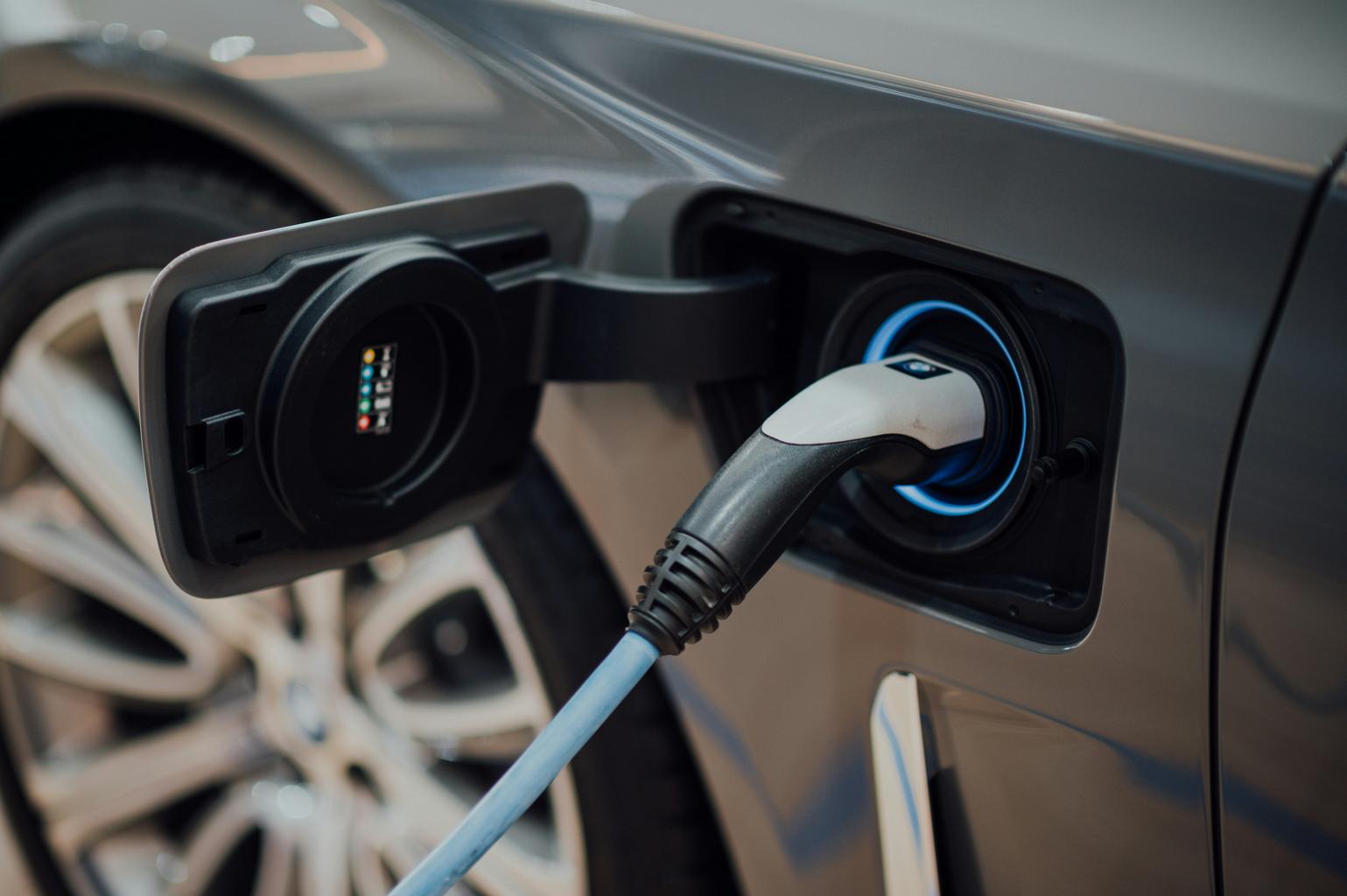
Check each charger for advertised power, connector type, and whether multiple stalls share power, because that can slow a session when others are plugged in. Also remember that if your car cannot accept very high power, a 350 kW charger will not be any faster for you than a lower-rated unit.
Top apps and tools for EV road trip planning in 2026
A Better Route Planner, ABRP, is still the go-to for vehicle-specific routes and time estimates. Set your exact car model, preferred arrival state of charge, and typical driving speed to get realistic stops and times. It is best used as the planning backbone rather than the single source of truth.
PlugShare shows user reports, photos, and whether chargers are working. Run the chargers ABRP suggests through PlugShare to see recent user comments and any photos of the site. Google Maps and built-in car navigation handle turn-by-turn and, when connected to your car, can show live battery data and updated arrival estimates. Network apps like Tesla, Ionity, and Fastned are often necessary for reservations and payments on particular networks. Plan with ABRP, verify locations on PlugShare, and use your car's nav for live adjustments. Expect that setting up network apps, registering payment methods, and adding roaming cards can take longer than you think before you leave.
Key EV charging networks to know
You will see a few names repeatedly on European routes. Tesla Supercharger networks are open to many non-Teslas in several places and can go up to around 250 kW. Ionity is motorway-focused and can offer up to 350 kW, but it can be pricier unless you get a subscription. Fastned is well placed across the Netherlands, Germany, the UK, and elsewhere, and is usually reliable though busy at peak times. Other players include Shell Recharge, BP Pulse, ChargePoint, and Allego.
Check whether you can reserve a stall, if the network uses an app or an RFID card, and whether they bill per kWh or per minute. These details affect how long you wait, how you pay, and how much the trip costs.
How to plan your charging strategy
Fast charging works best between roughly 10 percent and 80 percent battery. Charging speeds slow significantly above 80 percent, so on a highway run it usually makes sense to stop when you are around 10 to 20 percent and charge to about 80 percent. Charge to 100 percent mainly overnight on Level 2 at a hotel or when you will leave the car unused for a while.
If a network allows reservations, use them for busy dates. Always have at least one backup charger for each planned stop; assuming the first option will always work is a common mistake. Also, waiting until the battery is nearly empty to "save time" can force you into a slower charger or a longer wait in line.
Managing EV range on the road
Several everyday factors cut range in ways drivers underestimate. Speed matters a lot: driving faster raises aerodynamic drag and energy use, so cruising at 100 to 110 km per hour saves stops compared with 120 to 130 km per hour. Cold weather can reduce range by up to about 40 percent, while very hot conditions may drop range 10 to 15 percent. Hills use energy on the climbs and give some back on descents, and things like HVAC use, heavy loads, or underinflated tyres all make the car use more energy.
Practical moves that help: pre-condition battery and cabin while plugged in, use seat heaters rather than blasting cabin heat, and drive steadier rather than faster. If you are in winter, on mountain routes, or towing, add a bigger buffer and plan more frequent stops.
Best EV road trip routes and country infrastructure highlights
Some countries are simply easier to travel in with an EV. The Netherlands has a dense network even in rural areas. Norway offers superb coverage, including remote routes. Germany, France, the UK, and Switzerland have strong motorway charging. By contrast, Spain, Portugal, Italy, and parts of Eastern Europe have chargers on main corridors but can be sparse off them, so plan more carefully there.
Before you cross borders, check payment methods and roaming options, look up low-emission zone rules, and confirm connector types in the countries you will drive through.
Practical tips for a smooth EV road trip
A few small habits save most of the stress. Install and register the networks you expect to use, add payment cards, and carry a roaming card such as Chargemap Pass or Plugsurfing for broader access. Call hotels ahead to confirm the charger type, speed, and any charging cost. Know your roadside assistance policy for EVs, and remember that many EVs require flatbed towing to avoid damage.
When stopped at busy chargers, move your car after charging ends and avoid occupying a bay for parking. Charge only to what you need at busy sites so others can get a turn. Those simple courtesies speed up everyone.
Special considerations for weather and terrain
In winter, preheat the battery while plugged in and use winter tyres; expect up to around 30 to 40 percent range loss in very low temperatures. Before long climbs, top up the battery because ascents use a lot of energy; you will recover some on descents with regeneration but not all of it. On motorways, sustained high speeds cut range significantly compared with WLTP figures. Some cars can preheat the battery when they detect a booked fast charge, that feature is useful if yours supports it.
Cost considerations and saving on charging
Fast-charger prices in Europe vary, roughly EUR 0.40 to 0.70 per kWh at many DC stations. Subscriptions such as the Ionity Passport or network memberships can cut per-kWh cost by something like 20 to 40 percent, but they cost money up front and only pay off if you travel often. A quick example: 500 km might use about 100 kWh and cost roughly EUR 40 to EUR 70 on DC fast chargers. If you take only occasional long trips, pay-as-you-go plus a roaming pass is usually simpler than juggling multiple subscriptions.
Preparing your EV for the road
Before you drive, update vehicle software, check tyre pressure and condition, and pack charging cables and any adapters your route needs. Install apps and add payment methods, and pre-condition the battery before your first leg. People often forget a spare adapter for uncommon connectors; that can leave you stuck or forced onto a slower option.
Scenic and EV-friendly road trip suggestions
EV road trips work especially well if you like stopping for sights while the car charges. US routes such as the Pacific Coast Highway, selected sections of Route 66, and parts of the I 95 corridor fit this style when you pick stretches with known charging. In Europe, alpine routes are beautiful but require charging before ascents and careful weather planning. If you prefer long non-stop runs without extra stops, an EV may add more stops than you like.
Conclusion: what to do next
Planning an EV road trip means making a few small choices up front: pick a vehicle-aware route planner, check charger power and payment methods, and plan stops where you can charge quickly and do something useful while waiting. Start with ABRP for a realistic plan, use PlugShare to check recent reports for each stop, and keep your car's navigation for live adjustments. If you travel rarely, skip multiple subscriptions and use pay-as-you-go plus a roaming card; if you travel a lot, a network pass can save money.
Next realistic step: pick one trip and run a dry plan. Enter your car into ABRP, choose a route, then check each planned stop in PlugShare for recent user reports. Install the network apps you will need and add a payment method. That preparation takes about an hour and removes most surprises, making the trip quieter and less stressful.