

You’re choosing a place to live and work remotely for months or years. The problem is you see lots of countries offering “digital nomad visas,” but rules, taxes, and costs are confusing. Which visa actually fits your income, family situation, and U.S. tax obligations? This guide makes the choice clearer and gives simple steps to move forward.
What a digital nomad visa actually is in 2026
A digital nomad visa is a residency permit that lets you live in a country while working for clients or an employer outside that country. It is not a work permit for local employers. Most programs require proof you work remotely, a minimum monthly or yearly income, health insurance that covers the host country, and a rule that you do not work for local employers.
Typical stays range from six months to five years depending on the country. In 2026 many governments have tightened rules and raised income or documentation requirements. Check the official government pages for the latest before you apply.
What to check first
Start by confirming whether the visa will create tax residency after 183 days in a year. Next, check if family members can join you and what extra paperwork or higher income floors that brings. Make sure you understand whether the program wants a steady monthly income or a proof-of-savings model. Finally, read how the country treats foreign income so you know whether you will be taxed locally.
Best countries to consider, quick region guide
Europe, long term options and EU access
Spain is a good all-around choice for many people. The permit can run up to five years and there is a path to permanent residency. The income bar is relatively low at around €2,760 per month. Spain’s special tax regime, often called the Beckham Law, can make foreign income tax-favored for some employees. It fits people who want EU access and plan to stay several years; it is less useful for freelancers who cannot use the special tax route.
Portugal’s D8 is popular if you want city life and a five year renewal path. The income threshold is higher, about €3,680 per month. Infrastructure and residency clarity are attractive, though the old NHR tax break is closed for most newcomers, so check the IFICI rules before assuming big tax savings.
Malta, Greece, Croatia, Estonia, Italy, and Bulgaria each have practical uses. Malta is friendly for English speakers, Greece offers tax reductions if you become tax resident, Croatia often exempts foreign income for nomad permit holders, and Estonia stands out for digital services though the income requirement is higher.
People often assume EU residence automatically gives easy travel across Schengen for long stays. Schengen rules are a separate set of limits; read them for your travel pattern.
Asia Pacific, lower cost or longer stay options
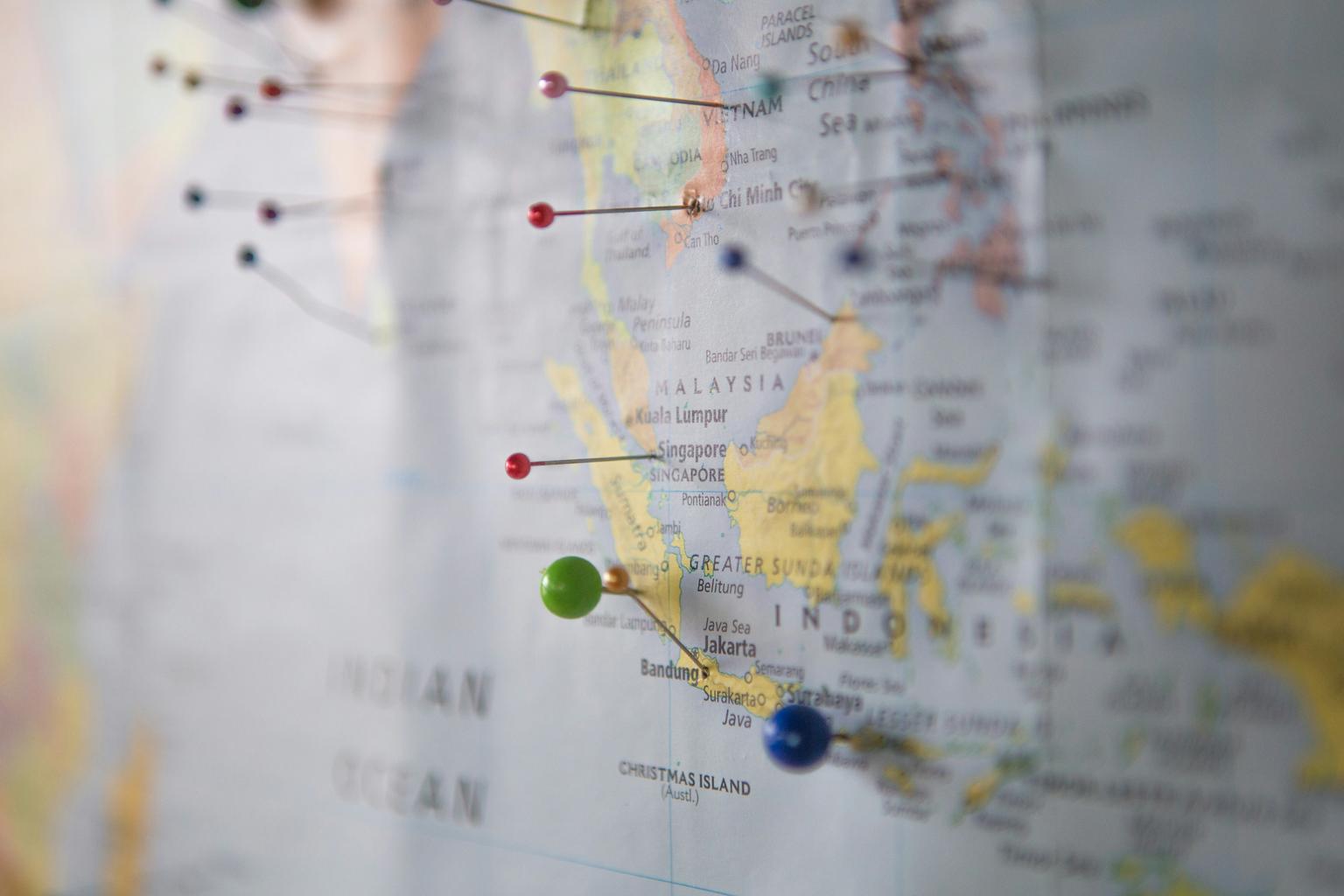
Thailand offers long term residence options that rely on savings proof and fit Southeast Asia living. Japan has shorter options, often around six months, suited to higher earners wanting a structured visit. The Philippines, Malaysia, Indonesia, South Korea, and Sri Lanka each offer different lengths and thresholds; the Philippines tends to be budget-friendly, while Malaysia has tiered thresholds for tech versus non-tech roles.
These options work well if your income is stable and you want a cheaper place to live with decent broadband. They are a worse fit if you need a multi-year track toward permanent residency.
Americas and Caribbean, close to the U.S. and often tax friendly
Costa Rica’s Rentista route is appealing because the country uses a territorial tax system where some foreign income is not taxed locally. Barbados’s Welcome Stamp offers a short, tax-free stay for foreigners, useful for a one year stint. Mexico’s Temporary Resident visa is flexible for one to four years and is popular with Americans, but read Mexican residency tax rules carefully.
Caribbean programs often exempt foreign income but tend to be short and do not lead to long term residency. Options in the Americas give easier physical access to the U.S., but tax consequences vary widely.
Africa and Middle East, low tax or low thresholds
The UAE, especially Dubai, runs a Virtual Working Program with no personal income tax and solid infrastructure. That suits higher earners who can handle higher living costs; the standard program does not give a path to permanent residency. Mauritius, Namibia, Cape Verde, and South Africa offer a mix of lower costs and territorial tax approaches, but infrastructure and health care quality vary a lot between places.
Always check the government pages for current income thresholds and permitted visa lengths.
How a nomad visa affects U.S. taxes
A digital nomad visa does not remove your U.S. tax filing requirement. As a U.S. citizen you must file on worldwide income.
For Americans, the main tools are the Foreign Earned Income Exclusion and the Foreign Tax Credit. The Foreign Earned Income Exclusion, using Form 2555, lets you exclude up to $132,900 in 2026 if you meet the Physical Presence Test of 330 or more days outside the U.S. in a 12 month window, or if you qualify as a bona fide resident. The Foreign Tax Credit on Form 1116 lets you offset U.S. tax with foreign taxes paid, which helps when the host country’s tax rate is higher.
Self employment tax for Social Security and Medicare still applies unless a Totalization Agreement covers you. Spain, Portugal, Germany, and Japan have agreements with the U.S.; many countries do not. That roughly 15.3 percent cost in self employment tax can be the largest surprise for freelancers.
Expect to use Form 1040, Form 2555 or 1116, FinCEN Form 114 for foreign bank accounts, and Form 8938 if you meet the asset thresholds. A common miss is state taxes: you may still owe state income tax unless you properly cut ties according to your state’s rules.
What to check before you move
Confirm whether a stay longer than 183 days creates local tax residency and what that residency means for worldwide income. Find out whether the country taxes foreign income at the point you earn it or when you bring money into the country. Check for a totalization agreement so you know whether you will continue paying into U.S. Social Security or stop and pay locally.
Application tips and practical hacks
Start by reading the government checklist for the visa you want. Then gather documents and meet each requirement methodically.
- Collect proof of remote work: employer letters, contracts, invoices, and company registration showing nonlocal clients. Freelancers should save six to twelve months of invoices.
- Buy health insurance that explicitly covers the host country and get a coverage certificate the visa office will accept.
- Get notarizations and apostilles if the country or consulate requests them, and build extra time into your schedule for those steps.
- Book any consular appointments early; some places have month long waits.
- Keep a travel log or calendar app that records exit and entry dates to support FEIE day counts.
- If you plan to bring family, expect higher income thresholds and additional documents.
- Use the host country’s online immigration portals when available, they can speed up renewals.
Legalizations, apostilles, and consular back-and-forth commonly take far longer than people expect. For straightforward applications a lawyer is often unnecessary, but hire a tax pro for cross-border tax modeling if your U.S. tax bill would change materially.
How to choose the right visa for you
Pick priorities in this order: how the tax math works for you, how long you want to stay and whether you want a path to residency, cost of living and internet quality, family needs such as schools and healthcare access, and any limits your employer imposes.
If you want EU residency and a multi-year plan, look closely at Spain or Portugal. If you want low cost and a tropical year, consider the Philippines or Costa Rica. If you want zero local income tax for a year and strong infrastructure, the UAE is an option.
A common mistake is choosing a zero-tax country without checking self employment tax and state tax implications. That can leave you paying more to the U.S. than you expected.
Frequently asked questions
Q: Do I still pay U.S. taxes on a digital nomad visa?
A: Yes. File a U.S. return and use FEIE or the Foreign Tax Credit where eligible.
Q: Which visa has the lowest income requirement?
A: That changes. In 2026 some of the lowest floors are in places like the Philippines or parts of Latin America. Always verify on the official immigration pages.
Q: Can I bring my family?
A: Often yes, but income thresholds usually rise and extra documents are required.
Q: Will I owe social security when self employed?
A: Probably yes, unless a totalization agreement applies with your host country.
Practical next steps
Choose two countries that match your top priorities around tax outcome and stay length. Go to each government immigration page, download the visa checklist, and start collecting proof of income and the health insurance certificate you will need. Keep a travel log for day counting. If U.S. tax exposure is material to your decision, book time with an expat tax professional before you commit.
A digital nomad visa can make long term remote living legal and easier, but it is paperwork plus real tax choices. Pick a target, confirm the official requirements, and build your application file slowly so you avoid small mistakes that cost eligibility or tax benefits.