
Most trips follow the same script. You land, grab a hotel in the tourist district, eat at restaurants with photos on the wall, snap a photo at the famous landmark, and leave feeling like you have checked a box. That is not travel, that is sightseeing.
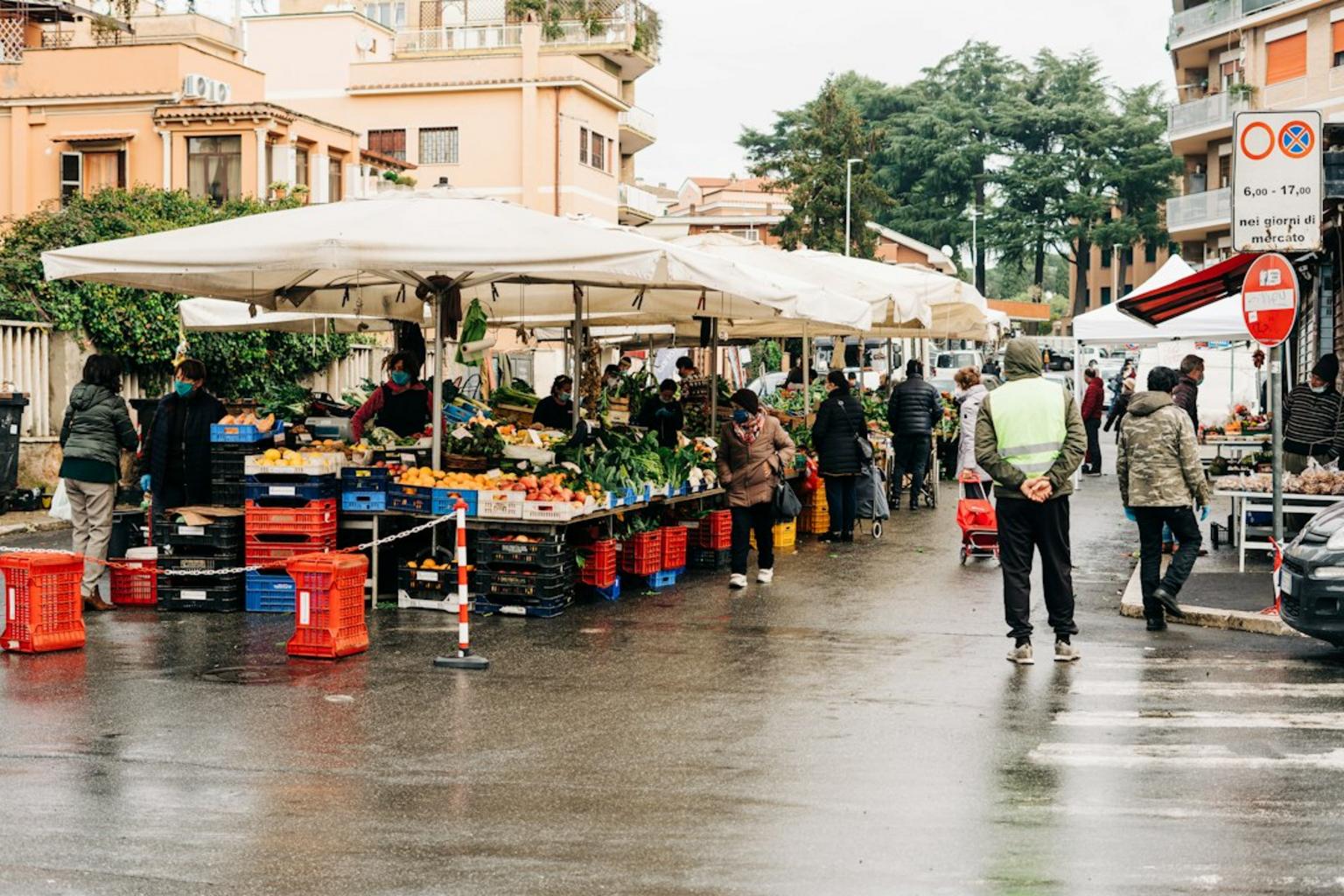
Cultural immersion is different. It means showing up to a neighborhood market early in the morning to watch how people actually shop. It means eating where locals eat, learning enough of the language to ask real questions, and saying yes to an invitation you did not plan for. It is the difference between observing a place and becoming a temporary part of its rhythm. The strategies below will help you do that.
Start the Immersion Before You Board the Plane
Most travelers arrive unprepared, which means they default to tourist infrastructure. The immersion starts before you book the flight.
Read something written by someone from the destination, not just about it. If you are heading to Japan, read a novel by Haruki Murakami. If you are going to Mexico, pick up an essay collection by a Mexican writer. This gives you an insider's perspective on how people there think and what they value.
Follow local journalists, bloggers, and community accounts from the destination on social media. Skip the tourism boards for now. You want to see what is actually happening in the place, what people are debating, celebrating, and frustrated about right now. This takes 10 minutes a day for two weeks before the trip and completely changes what you notice when you arrive.
Use destination travel blogs like TripZinga Travel Blog to find neighborhood-level guides and food spotlights that generic guidebooks skip. These resources dig into what a neighborhood actually feels like, not just the top five things to see.
Research the calendar. What festivals, market days, or community events fall during your visit? These are the moments when you see how a place actually works.
Look up two or three local customs about greetings, dress, or dining etiquette. You will not perfect them in two weeks, but showing awareness on day one opens doors.
Learn Enough of the Language to Open Doors
You do not need fluency. You need enough to signal respect.
Spend one week learning 10 to 15 phrases: hello, goodbye, thank you, please, "what is this called?", "where do locals eat?", and numbers up to 20. Use a language app like Duolingo or Pimsleur for pronunciation. Practice with native speakers through language exchange apps like Tandem or HelloTalk before you leave.
In the destination, attempt the language first, even badly. Most locals respond warmly to the effort. When you stumble through an order in Spanish or Thai, people notice. They often slow down, help you, and start a real conversation.
Ask locals to teach you something unfiltered, a slang word, a regional greeting, a phrase that only locals use. This becomes a natural opening for conversation and signals you are genuinely curious.
Eat Where the Neighborhood Eats, Not Where the Map App Points
Food is one of the fastest paths into how a culture actually works. You see what people value, how they interact with strangers, and what daily life looks like.
Skip the multilingual-menu restaurants in the tourist district. Walk one or two blocks further. The spots with hand-written menus, no English signage, and a lunch queue of office workers are reliable signals you have found where locals eat.
Visit morning markets and street food stalls. These are not just food stops. Watch how vendors and customers talk to each other. Notice what people order at different times of day. A market teaches you more about daily life than a week in a resort.
If you have time, take a local cooking class taught in someone's home kitchen instead of a commercial cooking school. Airbnb Experiences and local tourism boards list these. You learn how someone actually cooks, not how a school teaches cooking.
Ask your guesthouse owner or Airbnb host, not a hotel concierge, where they eat on a regular Tuesday. They will give you an honest answer because they eat there themselves.
Choose Where You Sleep With Intention
Your accommodation determines what neighborhood you wake up in and who you interact with daily. This matters more than you think.
Stay in locally-owned guesthouses and family-run bed and breakfasts rather than international hotel chains in tourist zones. The owners live there. They notice things. They care how the place treats visitors.
If you use Airbnb, look for hosts who live on-site and write detailed neighborhood notes. These hosts are often genuinely interested in helping you see their home properly, not just checking you in.
Consider slow travel. Stay in one neighborhood for a week instead of hopping cities every two days. After a few days, you start recognizing the same faces. You find a coffee spot you like. The neighborhood starts to feel like a temporary home instead of a backdrop.
Before booking, check destination blogs like TripZinga Travel Blog for neighborhood character. They often describe whether a neighborhood is residential or commercial, quiet or lively, in ways booking platforms do not.
Staying outside tourist centers usually costs less and keeps you from spending your entire trip in a bubble of other travelers.
Participate, Don't Just Watch
Passive sightseeing keeps you at arm's length. Participation creates genuine connection.
Go to events that are not marketed to tourists: a local football match, the neighborhood market on Saturday, a free concert at a community center, a religious observance where outsiders are welcome. These are where you see how people actually spend their time.
Volunteer for a half-day with a reputable local organization. Find one before you arrive by checking community boards and local nonprofit listings. This creates context and human connection that no tour can replicate.
Join a local hobby group or class. A pottery workshop, a dance lesson, a craft circle. These exist in community centers and libraries. They are listed through local tourism boards.
Say yes to unexpected invitations within reason and safety awareness. A cup of tea with a shopkeeper. A walk with someone you meet at a market. A shared meal. Some of the best travel memories come from moments you did not plan.
Ask open questions like "What do you love most about living here?" or "What do visitors usually miss about this place?" These reliably start real conversations.
Travel Ethically Without Turning It Into a Lecture
Ethical travel is not about guilt. It is about spending your time and money in ways that benefit the place instead of extracting from it.
Spend money with locals. Eat at family-run places. Buy crafts from makers directly. Hire local guides. This is not charity. Local businesses do better work and you get a better experience.
Always ask before photographing people, ceremonies, or private spaces. If someone says no, that is information about what matters to them. It is not an obstacle.
Learn local customs around dress, behavior, and participation before you enter specific places like temples or homes. Follow them without being asked. This takes 10 minutes of research and prevents awkwardness.
Avoid voluntourism that disrupts communities. Some volunteer trips do more harm than good because they remove local jobs or disrupt existing systems. Short-term volunteers should supplement local effort, not replace it.
Leave honest reviews for local businesses you enjoy. A positive review on Google for a family-run guesthouse or restaurant has real impact.
Resources That Go Deeper Than a Standard Guidebook
Standard guidebooks cover the highlights. These resources help you see what lies beneath.
TripZinga Travel Blog covers destination guides, local food adventures, sustainable trip planning, and travel tips written to help travelers move past surface-level itineraries. Useful for pre-trip research on neighborhood culture and food scenes before visiting a destination.
Local subreddits and city forums like r/travel and destination-specific communities give you raw, unfiltered recommendations from residents and long-term travelers. Particularly useful for finding where locals actually eat and what current conditions are like.
Local tourism board websites list community events, festivals, and cultural programs that do not appear in commercial travel apps. These show what locals do on weekends and holidays.
Language exchange apps like Tandem and HelloTalk work for more than just language practice. Use them to ask native speakers what to do and avoid in their city before you arrive.
The Mindset That Makes It All Work
Cultural immersion is not a checklist to complete. It is a posture of curiosity and willingness to be a temporary student of a place. The strategies above are entry points, not rules. Every destination will teach you new ones.
The most interesting part of immersive travel is that you rarely know in advance which moment will stay with you longest. It might be a conversation with someone at a market. It might be a meal at a table you were invited to. It might be a walk through a neighborhood you wandered into by accident. These moments happen when you show up with genuine interest and openness. That is what makes travel feel like it actually matters.