
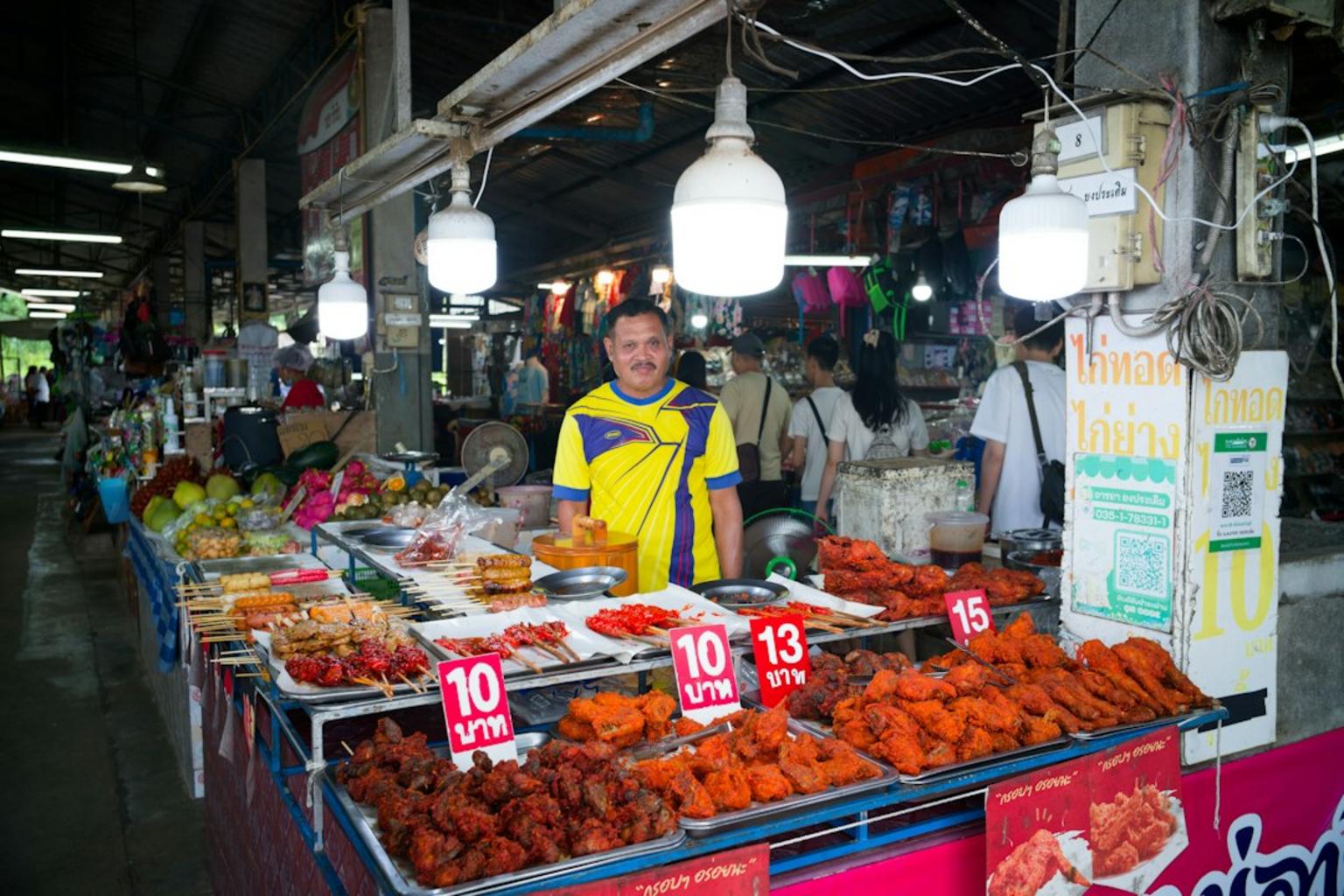
Most people plan trips around landmarks, beaches, or hotels. But there's a faster way into how a place actually lives: through what it eats. Food tourism means choosing your destination based on the cuisine first, everything else second. You're not squeezing in a meal between sights, you're building the sights around the meal.
This shift is real. Travel guides now feature food as a primary decision factor. UNESCO even designates cities as "Creative Cities of Gastronomy," recognizing that culinary tradition defines entire places. For travelers who already love to eat, that's permission to plan a trip where eating is the whole point.
This guide walks through the main formats of culinary travel experiences: street food tours, cooking classes, wine regions, farm stays, and food festivals. Each teaches something different about a destination. By the end, you'll know which format fits how you travel and where to find resources to book it.
Street Food Tours: The Fastest Way Into a Local Culture
Street food tours cut through tourist menus straight to what locals actually eat. You're walking through markets, stopping at hawker stalls, standing in line behind workers on their lunch break. Most tours cost under $30, and the density of authentic flavors is high.
Vendors sell to hungry people every single day, not to travelers expecting a show. The food moves fast, prices stay real, and you're eating things perfected over decades because nobody orders them ironically.
Bangkok's street food alleys near Silom and Lumphini Park have guides who know which pad thai cart has been there for twenty years. Mexico City's taco stands in La Merced market operate under completely different logic than the tourist taco tour you booked through your hotel. Istanbul's simit sellers and kebab lanes around Sultanahmet teach you about spice layering in forty minutes of walking.
Skip the hotel concierge recommendation. Look for independent local guides: food bloggers, market regulars, or small tour operators who eat there themselves. They access vendors who don't appear in guidebooks and can explain why a dish matters to the neighborhood. Self-guided walking is free and often better if you can read menus or use translation apps confidently.
Cooking Classes Abroad: Eat What You Learn to Make
A cooking class is different from eating. You're buying immersion. You'll learn where an ingredient comes from, what it costs, how to handle it, and why the technique matters. That knowledge changes how you eat everywhere afterward.
The formats vary. Some classes start at a market: you shop with the instructor, learning what to look for and how to negotiate. Then you cook together and eat what you made. Others happen in someone's home kitchen, teaching recipes passed down through that family. Professional chef masterclasses focus on technique. Regional specialty workshops might teach you to make fresh pasta in Bologna or mole in Oaxaca or dim sum in Hong Kong.
What matters when booking: group size (smaller is better for getting actual attention), whether the class sources local ingredients, and whether you get written recipes to take home. The experience is temporary, but the recipes stay with you.
Some classes are expensive because they're in tourist hotels. Others are affordable because they're taught by home cooks or food school grads working side projects. It depends on whether you want polished technique or family traditions.
Food and Wine Regions Worth Planning a Trip Around
Some destinations are defined by a single ingredient or dish. Tuscany for Chianti and truffles. Burgundy for Pinot Noir. The Basque Country for pintxos and txakoli wine. Sichuan Province for the specific heat and numbing spice of mala cuisine. Napa and Sonoma valleys for wine pairing culture embedded throughout the region.
The mistake is treating these as day trips: drive through, taste once, leave. Stay in a region for three to five days instead. Attend a local market day, visit a farm or winery, eat multiple meals with the same ingredients prepared differently, talk to people who've worked the land for decades.
Seasonal timing changes everything. Truffle season in Piedmont is October through November. Cherry blossom-themed food stalls in Japan are maybe three weeks in spring. Harvest festivals happen once a year. Check what's happening before you book, or you'll arrive at a beautiful place during its quiet season.
Farm-to-Table Experiences and Agritourism
Agritourism in the food context means visiting a working farm, olive grove, vineyard, or spice plantation where you can see the supply chain. You might pick coffee cherries in Peru, hunt truffles with dogs in Italy, harvest olives in Greece, or eat dinner at a farm table where the person who grew the vegetables is cooking them.
After you've seen where the food comes from, every meal elsewhere becomes more meaningful. You taste an olive oil and remember the terraced groves. You order a dish and know who grew the main ingredient.
Italy's agriturismo network is well-developed: farm stays are legally regulated and widespread. France has ferme-auberge (farm inns). Japan offers satoyama farm stays in rural areas. Peru's cacao region near Cusco draws travelers interested in chocolate from first principles.
The experience is slower than a restaurant meal. You're often eating family-style with other travelers. The pace is set by what's in season and what the farmer is doing. That's the trade-off: less control, more authenticity.
Food Festivals and Markets as a Travel Itinerary Anchor
A major food festival or weekly market can be the reason you pick a travel date. Build your trip around when La Tomatina happens in Spain. Plan for Pizzafest in Naples. Coordinate with the Chocolate Festival in Perugia. These aren't side activities, they're the main event.
Farmers markets work similarly. Borough Market in London operates year-round, but it's dense with energy on weekend mornings. Naschmarkt in Vienna buzzes during the morning shop. Tsukiji Outer Market in Tokyo moves fast and feels completely different from a tourist restaurant. Mercado de la Boqueria in Barcelona is packed, priced for locals, and you can eat breakfast standing up.
Check festival dates three to six months ahead. Accommodation near well-known food events books quickly. Mark your calendar in advance and book the festival date first, everything else after.
Resources for Planning Your Culinary Travel Experiences
You know the formats now. Next you need reliable tools to research destinations and book experiences.
1. TripZinga Travel Blog
TripZinga provides destination guides, food adventure write-ups, travel tips, and sustainable trip planning ideas aimed at helping travelers make informed decisions. The site covers food-focused travel content alongside broader destination research, making it a practical starting point when you're deciding where to go and what format of food experience to pursue.
Website: https://blog.tripzinga.com
2. Local Tourism Board Food Trail Pages
Most destination tourism boards maintain curated food trail guides. These are free and often highlight restaurants, markets, and food events run by locals. The information is usually current since tourism boards update it regularly.
3. UNESCO Creative Cities of Gastronomy Guides
If your destination holds UNESCO Creative City status for gastronomy, the official designation comes with resources highlighting the food culture and authenticated experiences. This is a marker of serious food heritage, not just a marketing label.
4. Travel Forums with Food Travel Threads
Chowhound has a dedicated international travel forum. Reddit's r/foodtravel and destination subreddits often have threads asking "best place to eat" and "where do locals go." These are written by people who ate their way through a place, not by marketing teams.
How to Plan a Food-First Trip
- Start with format, then destination. Do you want street food, cooking classes, wine regions, farm stays, or festivals? Pick the experience type first, then find the destination that delivers it best. This saves you from forcing a format onto a place where it doesn't fit.
- Check the season. Many ingredients and food events have narrow windows. Truffle season, cherry blossoms, harvest festivals: verify before you book or you'll arrive at the wrong time.
- Book accommodation in the food district. Stay near markets, restaurant neighborhoods, or agritourism areas instead of generic hotels on the edge of town. You'll eat better and save time.
- Mix planned and unplanned eating. Book a cooking class or guided tour for structure. Leave mornings and random meals open for wandering markets and eating wherever looks good. That's usually where the best discoveries happen.
- Keep notes. Use your phone to jot down dish names, vendor names, ingredient origins, cooking techniques. Food memory fades fast. Notes help you recreate meals at home and understand what you learned.
- Use food-specific resources. General travel guides miss local food blogs and destination-specific resources like TripZinga that focus on what and where to eat, not just what to see.
- Respect local customs. Tipping practices, eating hours, and food etiquette vary widely. Learning the basics before you arrive prevents awkward moments and shows respect to the people cooking for you.
Start Planning Your Next Food Adventure
Food tourism is not incidental eating while you travel. It's intentional, immersive, and one of the most direct ways to understand how a place lives. You taste the same oils and grains and spices that show up in everything the region produces.
Pick one experience format from this guide: street food, cooking class, wine region, farm stay, or festival. Build a short trip around it. Start with destinations that excel at that format. Use resources like TripZinga Travel Blog to narrow down options and get the planning details right.
The best part is that food travel doesn't require money, time off, or a passport in a specific category. It just requires choosing to organize a trip around eating instead of around landmarks. Everything else follows from there.