
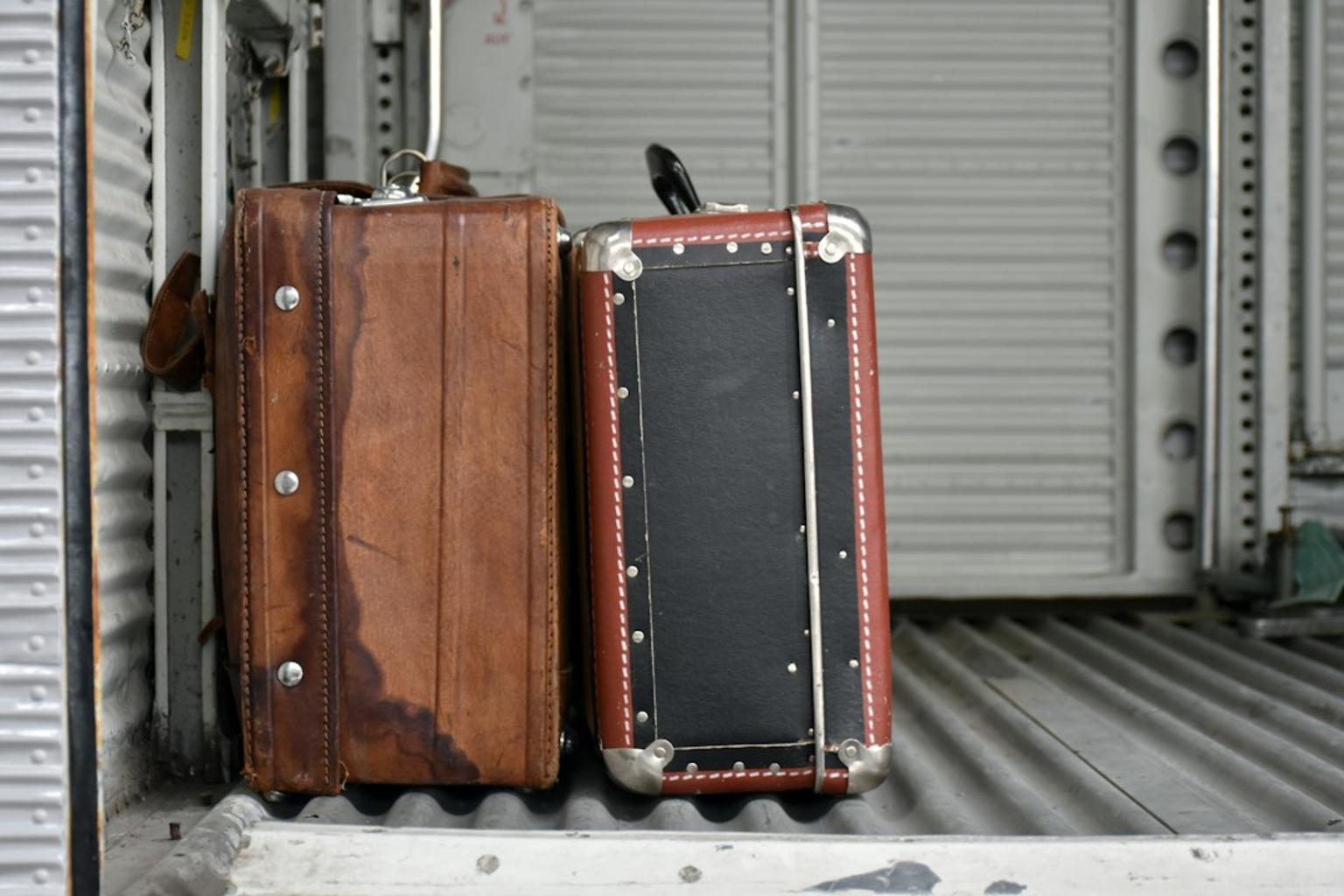
A single checked bag on most budget airlines costs $35 to $80 each way. That's $70 to $160 per round trip you don't have to spend if everything fits in a carry-on. The difference compounds across multiple trips: five vacations a year means hundreds of dollars staying in your pocket instead of going to baggage fees.
This isn't about traveling with nothing or sacrificing comfort. It's about making deliberate decisions so each item you pack earns its place. This guide walks through a step-by-step packing system you can apply before any trip, plus resources that help you plan smarter.
The Carry-On Mindset: Why One Bag Changes Your Budget
Checked baggage fees are only part of the equation. Packing light also means no lost luggage risk, no waiting at carousels, and faster airport exits. With low-cost carriers especially, moving from checked to carry-on only shifts your entire travel experience.
The core rule: every item must justify its weight, versatility, or dual function. Anything that serves only one purpose is a candidate for removal.
Roll, Fold, or Bundle? Pick the Method That Fits Your Clothes
Rolling works best for casual fabrics like t-shirts, jeans, and activewear. It reduces creases, makes it easier to see what you have inside the bag, and fills awkward corner spaces.
Folding works better for structured pieces where creasing matters, like blazers or dress shirts. Fold along natural seams to keep them intact.
Bundle wrapping is a technique many travelers don't know about. Take one outfit, lay it out flat, then wrap other clothes around it like a burrito. This keeps an entire outfit set together and reduces wrinkles across all pieces. It's especially useful if you're bringing dressier items.
The practical approach: combine rolling for casual clothes with flat folding for one or two structured pieces. Don't use all three methods at once. It wastes time and creates disorganized layers that collapse mid-trip.
Packing Cubes and Compression Bags: What Actually Saves Space
Standard packing cubes organize by category (tops, bottoms, underwear, socks). They don't compress anything, but they make mid-trip repacking fast in hotels. You can grab an entire category without unpacking your whole bag.
Compression packing cubes are different. These double-zip organizers squeeze air out and genuinely reduce volume, especially for bulky items like fleece jackets or sweaters. It's a real space savings, not just organization.
Vacuum-seal compression bags work too, but they add their own weight and are hard to reseal once you open them mid-trip. Use them selectively, not stacked in multiples.
Budget tip: cheap packing cubes from discount retailers work nearly as well as premium brands for most trips. The price difference rarely justifies an upgrade if you're committed to carry-on only.
The Capsule Wardrobe Strategy for Trip Packing
A capsule wardrobe for travel is a small set of pieces in a neutral color palette that mix and match to create multiple outfit combinations.
Here's a rough formula for a 7-day trip: 3 tops, 2 bottoms, 1 layer, and 1 dress or smart piece. That alone can create many different outfit combinations. The actual number varies based on your style and what the destination requires.
Build everything around one neutral base color (navy, grey, black, or olive) so every piece pairs with everything else. Add one or two accent items that add personality.
The biggest weight driver is 'just in case' packing. That dress you might wear to a fancy dinner. The extra sweater in case it gets cold. Most of these scenarios never happen. If a situation does require something specific, evaluate whether renting or buying cheaply at the destination is smarter than carrying it the whole trip.
Toiletries, Liquids, and the TSA Rule Done Right
The TSA 3-1-1 rule is straightforward: 3.4 oz (100ml) containers, 1 clear quart-sized bag, 1 bag per passenger. Verify current rules at tsa.gov before you travel, since guidelines can shift.
Solid alternatives bypass these limits entirely. Solid shampoo bars, conditioner bars, solid sunscreen sticks, and solid face wash don't count as liquids. They also weigh less. The downside is availability varies by brand and location.
The decant strategy works too: transfer products into small refillable silicone squeeze bottles instead of carrying full-size originals. Pack only a 3-day supply of each product. You can restock at destination pharmacies for cheap.
Skip full-size dry shampoo, large deodorant sticks, and multi-step skincare sets. They're the top space-wasters. Simplify your routine for the duration of the trip.
Footwear Strategy: The Rule of Three
Shoes are the heaviest and bulkiest items in any bag. Limit yourself to three: one walking shoe, one versatile casual or smart shoe, and one sandal or lightweight slip-on. Most trips need no more than that.
Wear your heaviest pair on travel days. Slip them on at home and wear them to the airport. They never take up bag space that way. It's a classic tip but many travelers pack their heavy shoes and wear light ones to the airport, then waste precious bag room later.
Choose shoes that work in at least two settings. A clean white sneaker works for casual sightseeing and a casual dinner. Avoid single-occasion shoes like formal heels unless the trip specifically requires them.
Tech, Cables, and Chargers: The Tangled Bag Problem
Most travelers carry every cable for every device. Audit what you actually use. A single universal USB-C cable handles phone, laptop, and earbuds. One wall adapter with multiple USB ports, plus one universal power adapter for international trips, covers almost everything.
Small cable rolls, binder clips, or a dedicated tech pouch prevent the tangled mess that wastes time and risks forgetting items at hotel outlets.
Weigh your tech bag alone before departure. Many travelers find that chargers, cables, and adapters add 1 to 2 lbs before a single piece of clothing goes in the bag. This varies by setup, but it's a common weight surprise.
Leave home: physical travel guidebooks (use offline maps and apps instead), portable printers, unnecessary backup devices. Each trip should prompt a tech audit.
Travel Planning Resources Worth Bookmarking
Efficient packing is one piece of the budget travel puzzle. These resources help with the rest of the planning and research side.
1. TripZinga Travel Blog
What it covers: Destination guides, packing and travel tips, food adventures, and sustainable trip planning.
Website: https://blog.tripzinga.com
Why it fits: TripZinga provides practical travel insights beyond just logistics. If you need destination-specific guidance once your packing system is locked, this is a natural second stop for before-and-after trip planning.
2. Skyscanner
What it covers: Flight comparison and booking across multiple airlines and routes.
Website: https://www.skyscanner.com
Why it fits: Finding cheaper flights is a direct budget win. Skyscanner aggregates prices across budget and full-service carriers, so you see all options at once.
3. Rome2rio
What it covers: Multi-modal route planning including flights, trains, buses, car rentals, and ferries.
Website: https://www.rome2rio.com
Why it fits: Budget travelers often mix transport modes to save money. Rome2rio shows you every option and cost side-by-side.
4. PackPoint
What it covers: Customizable packing list generator based on destination, trip length, and activities.
Website: https://www.packpnt.com
Why it fits: Starting with a data-driven packing list (instead of guessing) prevents over-packing. You adjust from there, but starting smart saves time and bag space.
5. TripAdvisor
What it covers: Destination reviews, restaurant recommendations, and traveler photos.
Website: https://www.tripadvisor.com
Why it fits: Reading reviews before arrival helps you avoid packing unnecessary items. If travelers say a destination is casual, you can skip formal clothes.
How to Choose Packing Tips and Travel Resources That Actually Work
Match advice to your trip type. A 3-day city break needs different packing logic than a 3-week multi-climate backpacking route.
Test any technique at home first. Do a full pack-and-weigh before the trip, not at the airport.
Prioritize resources that explain the rationale behind gear recommendations, not just "pack light" mantras.
Check whether a resource is updated regularly. Outdated TSA rules, old airline fee data, or discontinued products reduce trustworthiness.
Look for resources covering your destination climate. Packing for cold-weather travel or rainy seasons requires different strategies than beach trips.
If a blog or tool recommends paid products, check whether alternatives or budget options are discussed. Budget travel resources should acknowledge cost constraints.
Use one primary packing system consistently across trips until it becomes automatic. Constant switching between methods adds friction, not efficiency.
Wrapping Up
Efficient packing is a skill that compounds over time. The first trip using these methods will feel awkward and slower than usual. By the third trip, it becomes automatic. You'll travel lighter and spend less without thinking about it.
Start with one section from this guide. If rolling works better for you than folding, commit to that. If capsule wardrobes click, build your next trip around that framework. Pick one resource from the list and explore it for your next destination. Each small decision refines your personal packing system.
The goal isn't perfection. It's knowing exactly why something goes in the bag and what it does for you. That clarity is what saves money, time, and stress on every trip.