
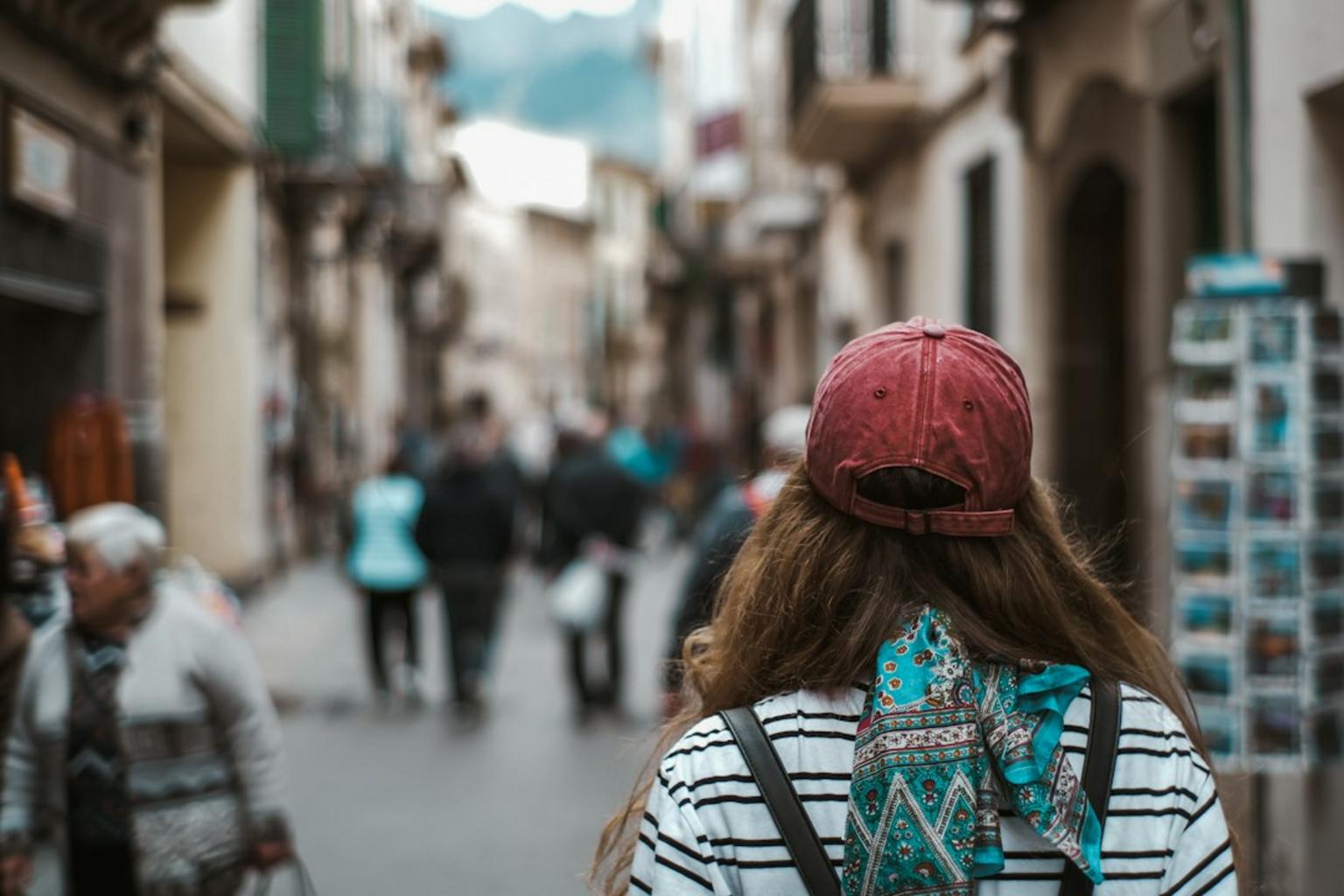
Women are traveling solo more than ever, choosing independence, self-discovery, and the freedom to move at their own pace. It's exciting and entirely achievable. The concern about safety is real and legitimate. It shouldn't stop you from going, but it should shape how you prepare.
This guide covers practical solo travel safety tips for female travelers across the entire journey: before you leave, during transit, once you've arrived, and throughout your time away. These aren't fear tactics. They're concrete strategies that countless solo female travelers use to feel grounded and confident.
Before You Leave: Research and Trip Preparation
Your prep work starts weeks before boarding. This isn't about paranoia, it's about removing unknowns so you can focus on experiencing your destination.
Check government travel advisories for your destination. The U.S. State Department publishes these for every country, breaking down actual risks by region. Read them, but also check traveler forums like Reddit's r/solotravel where women share recent, ground-level experiences. A forum post from someone who was there last month often tells you more than an official advisory from six months ago.
Learn local dress codes and customs. In some places, blending in visually reduces unwanted attention. Research isn't about conforming to anyone else's expectations, it's about understanding the social landscape so you move through it without friction.
Download offline maps before you go. Use Google Maps' offline feature or download Maps.me. You'll navigate without depending on live data or Wi-Fi, which matters most when you first arrive and don't want to look lost and disoriented in public.
Make copies of your important documents. Take a photo of your passport, visa, travel insurance cards, and any prescriptions. Store one copy in your email (accessible from anywhere), one in your luggage, and carry a physical copy in your bag. If your passport gets lost or stolen, copies speed up replacement significantly.
Register your trip with your home country's embassy or consulate when traveling internationally. The U.S. State Department's Smart Traveler Enrollment Program (STEP) is free. You'll receive alerts about local safety issues and they can reach you faster if something happens. Other countries have similar services.
Pack a small personal safety kit. A door wedge alarm costs under $10 and can alert you if someone tries to enter your room while you're inside. A personal alarm device (key-chain sized, under $15) emits a loud siren if you need help. Add a basic first aid kit, your prescription medications with documentation showing they're prescribed to you, and you're set.
Share Your Itinerary and Stay Connected
Isolation increases risk. Connection decreases it. This doesn't mean you lose privacy, it means someone you trust knows where you are.
Give one trusted person your full itinerary before you leave. Include accommodation names, booking confirmation numbers, transit dates, flight numbers if applicable, and hotel contact information. Text them this information, don't just talk about it.
Set a check-in schedule with that person. A daily message works. If you miss a check-in, they know something is wrong and can follow up or alert authorities. This is your safety net.
A few apps make this easier. Google Family Sharing lets you share location with trusted contacts. WhatsApp offers free international messaging. The bSafe app is built specifically for solo travelers. It lets you share live location, set a check-in timer, and hit an SOS button that alerts your emergency contacts and can contact local authorities.
Get local connectivity before you arrive. Buy a local SIM card or international eSIM before your flight so you have data the moment you land. Don't rely on airport Wi-Fi to navigate the city. Mobile data means you can call a taxi, check directions, and reach your accommodation without depending on public Wi-Fi networks.
Keep your phone charged. Buy a compact power bank, the size of a lipstick. Carry it everywhere on travel days. A dead phone is isolation.
Transportation Safety on the Road
How you move between places shapes how safe you feel throughout your trip.
Use licensed taxis or verified rideshare apps. Uber, Lyft, and Grab operate in many countries and show driver ratings, car details, and your route to the driver, transparency that unmarked cabs don't offer. Avoid unmarked taxis, especially late at night or coming from airports where you're tired and visibly a tourist. Take a screenshot of your Uber booking (driver name, license plate, car model) and send it to your check-in contact before getting in. This takes 10 seconds and means someone knows exactly who you're with.
On overnight buses or trains, keep your bag attached to your body or looped around your leg. Use a small luggage lock on your bag's zippers. You'll sleep better knowing your belongings are physically connected to you.
Research local transit safety by destination. Many cities have women-only subway cars or bus sections. Use them. They exist because transit safety is a real concern in those places, and using them means you're in a car full of women with the same safety priorities you have.
Avoid arriving in a new city late at night if possible. Arriving during daylight lets you orient yourself, find your accommodation in daylight, and settle in before dark. If you must arrive at night, book a taxi or rideshare in advance rather than waiting in a terminal trying to figure out your options while tired.
Keep a small amount of local cash separate from your main wallet. Stash it somewhere easily accessible but not obvious, a hidden pocket or the bottom of a bag. You need this for a taxi home if your card doesn't work, for phone credit if you need to call someone, or for emergency transport.
Choosing and Securing Your Accommodation
Where you sleep is your base of operations. It needs to feel secure.
Read recent reviews focusing on security. Look for mentions of working locks, well-lit entrances, and 24-hour front desk or reception. Security isn't the only factor. You care about cleanliness and location too. But it matters enough to read between the lines of reviews.
Female-only dorms in hostels are a solid option for solo female travelers. You get privacy from men you don't know, usually a community of other solo travelers to explore with, and social opportunities without having to find solo female travelers by accident. Many female solo travelers spend entire trips in hostels for exactly this reason.
Request a room on an upper floor when possible. Ground-floor windows are accessible from the street. Upper floors reduce break-in risk and limit people peering in.
Bring a portable door lock. Products like the Addalock are small, fit in your pocket, and reinforce whatever lock the room already has. It's a cheap backup that makes you feel more in control. Many solo travelers carry one in their toiletry bag.
Don't confirm your room number loudly at check-in. If a stranger hears "Room 412," they know where you are. Ask the staff member to write it down instead, or read it from a key card. It's a small detail that removes one point of information from public earshot.
Identify the emergency exits on your floor the moment you arrive. You won't need them, but knowing where they are means you're oriented to your space and can move confidently if something unexpected happens.
Managing Money and Valuables
Money and theft are connected to safety because losing access to funds means losing independence and control.
Use a money belt or hidden neck pouch for your passport and substantial cash. Keep it under your clothing, not visible. A common tourist mistake is wearing a bum bag on the front of your body. Pickpockets spot these immediately because they know that's where you're keeping valuables.
Carry only what you need for the day. Leave your passport, most of your cash, and backup cards in your accommodation's safe or a secure spot when you're out exploring. You reduce what you can lose and you move through the city lighter and less visibly like a tourist.
Use ATMs during daylight hours inside banks or shopping centers rather than standalone street ATMs at night. Criminals watch isolated ATMs. Busy locations during daylight are safer.
Notify your bank before you travel. Tell them the countries you're visiting and the dates. Without notification, they may block your card as fraud when you use it abroad. Keep two payment methods from different card networks (Visa and Mastercard, for example) so if one fails, you have a backup.
An RFID-blocking wallet or card sleeve prevents contactless skimming in crowded areas. This is real in busy cities and crowded transit. A blocking sleeve costs $5 and takes up almost no space.
Keep a small separate "dummy wallet" with a small amount of cash. If you're ever in a situation where someone demands money (rare, but possible), you hand over the dummy wallet and lose little. Your real valuables stay hidden.
Trusting Your Instincts and Setting Personal Limits
Your instinct is your most important safety tool. Use it.
If a place, person, or situation feels off, leave. You don't owe anyone an explanation or justification. No experience, meal, or activity is worth staying somewhere that feels wrong. Develop a habit of listening to that feeling and acting on it immediately.
Practice polite but firm refusals. "No thank you" once, then walk away. You don't need to repeat yourself or explain your reasoning. Persistent people are often testing boundaries. If you give in after the first no, they learn you can be worn down.
Set up a code word with a trusted contact before you travel. If you text that word, they call you immediately with a fake "emergency" at home that requires you to leave whatever situation you're in. It's a smooth exit that doesn't require confrontation.
Limit alcohol when you're alone in unfamiliar environments. You need your awareness sharp. Drinking with friends in a hostel common area is different from drinking alone at a bar where you can't anticipate what happens next.
Be cautious with new friendships that escalate quickly or push for private settings early. Genuine friendships develop gradually. Someone who moves fast or pressures you into alone time is a yellow flag.
Health and Emergency Preparedness
Illness or injury away from home is stressful and expensive. Preparation makes it manageable.
Buy comprehensive travel insurance before departure. Make sure it covers medical evacuation (critical if you're injured far from good hospitals), trip cancellation, and theft or loss of belongings. Travel insurance costs $100-300 for a two-week trip and covers situations that would otherwise cost thousands.
Research the nearest hospital or clinic to your accommodation on arrival. Find it on your offline map and save the address. If you need help, you won't be searching while in pain or distress.
Carry a basic first aid kit: bandages, antiseptic wipes, pain relief medication, anti-diarrhea medication, and any prescriptions you take. Travel stomach issues are common and inconvenient. Over-the-counter medication handles most of them quickly.
Know the local emergency number for the countries you're visiting. It's not always 911 or 112. Research this per destination and write it down.
If traveling to regions with specific health risks (malaria zones, altitude, food-borne illness hotspots), consult a travel medicine clinic 4-6 weeks before departure. They advise on vaccinations, medications, and food safety specific to where you're going.
Keep a card in your wallet with your blood type, allergies, and an emergency contact. Write it in the local language if possible. If you're injured and unconscious, this card tells medical workers critical information.
Building Confidence and Local Awareness Day-to-Day
Confidence is a deterrent. People with purpose moving through a city with intention attract less unwanted attention.
Walk with purpose and look like you know where you're going. This doesn't mean looking angry or unfriendly, it means moving with direction and awareness rather than looking lost and uncertain. Confidence deters opportunistic attention.
Study your map before leaving your accommodation. You won't be visibly confused or standing still in busy areas pulling up Google Maps, which makes you a target.
Identify safe spaces in any new neighborhood. A hotel lobby. A busy cafe. A police station. A shopping mall. Know where you can step in if you feel uncomfortable.
Connect with other travelers or female solo travel communities online before and during your trip. Reddit's r/solotravel, Facebook solo travel groups, and TripAdvisor forums have recent traveler advice from people who were just where you're going. Local knowledge from recent visitors beats guidebooks.
Learn a few key phrases in the local language: "Help," "Police," "I need a doctor." It shows respect and in an emergency, it's faster and clearer than English.
Dress with awareness of local norms. This isn't about conforming. It's about reducing unnecessary friction. Showing respect through dress choices often prevents the kind of attention that creates safety concerns.
Resources Worth Bookmarking
TripZinga Travel Blog: Destination guides, trip planning advice, food travel content, and sustainable travel ideas. Useful for researching new destinations and building smarter itineraries as a solo female traveler.
Reddit r/solotravel and r/TravelHacks: Community forums where solo female travelers share destination-specific safety experiences, accommodation recommendations, and real-time advice from people who've recently been where you're going.
Smart Traveler Enrollment Program (STEP): A free service from the U.S. State Department that lets you register trips with the nearest embassy. You'll receive local safety alerts and faster assistance in emergencies.
bSafe App: A personal safety app designed for solo travelers with live location sharing, an SOS alarm, and a check-in timer. You set a timer and if you don't check in by a deadline, it alerts your emergency contacts.
Her Packing List: Packing guides specifically for female travelers. It includes reviews of safety gear, solo travel packing checklists, and clothing recommendations per destination.
Plan Smart, Travel Freely
Solo female travel is achievable and rewarding when it's paired with preparation. The strategies in this guide, research before you go, stay connected, move with awareness, trust your instincts, and prepare for health needs, stack together to give you control.
Start with the steps that feel most accessible. Some travelers prioritize accommodation security first. Others focus on transportation safety or document backup. Build your confidence from whatever feels right to you, then add more as you gain experience.
Your solo trip doesn't require perfection. It requires planning, attention, and the willingness to change course if something doesn't feel right. Everything else is freedom.