
Snow travel opens up a completely different set of possibilities than summer vacation. The landscapes shift. Crowds thin out at some destinations. Activities become seasonal and singular, you can only snowshoe in winter, only watch certain wildlife against white backdrops, only chase the northern lights on dark frozen nights.
The challenge is not finding a winter destination. It is matching the right destination to what actually excites you. A family with young kids has different needs than a solo traveler chasing aurora. Someone who skis all year won't settle for a resort with limited terrain, while a first-time visitor to snow country might want beginner slopes and hot cocoa nearby. This guide walks through the main types of winter snow destinations and what each one really offers, so you can narrow down based on your actual trip priorities instead of picking a famous name and hoping it fits.
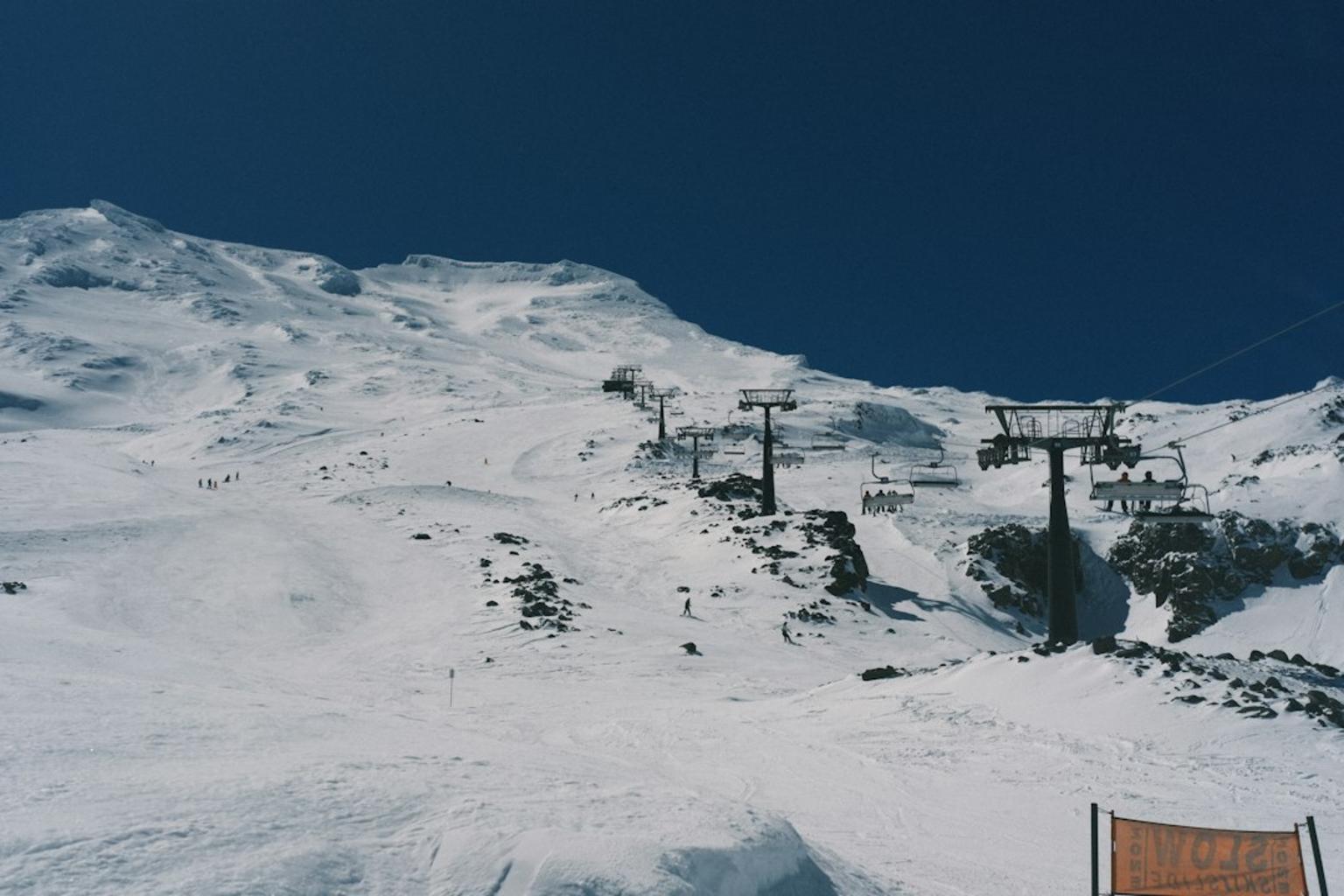
Mountain and Ski Resort Destinations
Ski resorts are the most obvious winter choice, but obvious doesn't mean wrong. Resorts concentrate everything you need in one place: lodging, dining, ski schools, equipment rental, and apres-ski bars. If you're committed to skiing or snowboarding, the infrastructure is already built for you.
The range of terrain matters more than the resort's reputation. Beginner-heavy resorts build wide, forgiving runs with gentle pitches and clear sightlines. Expert-focused mountains pack tight gullies, steep pitches, and terrain that demands control. Mid-level resorts try to balance both but often shortchange intermediate skiers with limited options in their range. Before booking, check the terrain breakdown on the resort's website. If you're a beginner or intermediate skier, verify that at least 40 percent of the mountain meets your skill level.
A resort's total acreage means less than the percentage of runs in your skill range. A 2,000-acre mountain with mostly expert terrain helps you less than a 1,000-acre mountain with 50 percent intermediate runs.
Shoulder season timing, early December and late March, typically offers better rates and shorter lift lines than peak holiday weeks. If you're flexible, booking December 1-10 or March 15-25 can cut resort costs by 20 to 30 percent while delivering solid snow conditions at most mountain destinations.
Non-skiers in your group don't have to sit idle. Most major resorts run snow tubing parks, snowmobile tours, guided snowshoe walks, and spa retreats. Some mountains have ice skating rinks at the base. Confirm these activities exist and check their operating hours before booking if someone in your party isn't skiing.
Winter Wilderness and National Park Destinations
National parks in winter feel like private territory. Summer crowds evaporate. Facilities close, yes, but that also means you're not waiting in lines or shoulder-to-shoulder on trails.
Winter parks reward low-tech outdoor skill. Snowshoeing requires no prior experience. Cross-country skiing has a gentler learning curve than downhill skiing. Neither demands a resort or infrastructure beyond a parking lot and trail access. You just need the right gear and an honest assessment of your fitness level.
Snowshoes work on almost any snow depth and terrain. Rent them from an outfitter near the park, grab a half-day guided tour, and you've got a 3-to-4-hour outing on flat or gently rolling terrain. Full-day backcountry snowshoeing exists too, but that requires more conditioning and navigation skill.
Cross-country skiing is faster and more efficient on groomed trails, but it has a learning curve. A two-hour lesson covers the mechanics. After that, you can handle packed trail sections. Cross-country is better suited to travelers who've skied before or who have patience for slow progress days.
Both activities demand layering. Moisture-wicking base layer, insulating mid-layer, waterproof shell. Underestimating cold kills the trip. If you're used to city winters, mountain winter is different. The wind strips heat fast, and you're burning calories continuously.
Animals are more visible against snow. Elk congregate near lower elevations where food is accessible. Bison move predictably between feeding areas. Birds stand out sharply. Some parks see increased wolf activity as predators follow prey into lower valleys. This isn't guaranteed theater, but winter does improve your odds of seeing animals you'd miss in summer.
Plan for extreme daylight scarcity. In late December, the sun sets around 4:30 p.m. at northern latitudes. That compresses outdoor time. A morning snowshoe means you need to start by 8:00 a.m. to have any afternoon left.
Before booking, check the official park website. Many facilities close seasonally in winter, and backcountry access sometimes requires permits or avalanche gear. Don't assume full access.
Nordic and Ice Culture Destinations
Some destinations trade resort infrastructure for cultural immersion. Nordic and high-latitude towns center winter around ice traditions, dog-sledding, ice fishing, and festivals. These places aren't built for skiing. They're built for living with frozen ground and deep snow.
A few regions host annual ice sculpture festivals, frozen river markets, or dog-sled races. These events draw locals and travelers together for weeks at a time. You're not just observing; you're participating in how communities actually spend winter. These trips cost less than resort weeks, but they demand comfort with extreme cold and slower pace.
Ice fishing sounds niche but it's beginner-accessible with a guide. You drill a hole, drop a line, wait, and drink coffee. The appeal isn't the fish; it's the quiet and the novelty of being out on solid ice.
Aurora borealis is real and visible at high northern latitudes, but it's not a guarantee. Aurora depends on solar activity and clear skies. You can fly to the best viewing location and have zero aurora because clouds blocked everything or the sun was quiet.
Dedicated aurora tours account for this by offering multi-night packages with rebooking guarantees. If aurora didn't appear on night one, you get another night free. This cushions bad luck. Single-night trips are cheaper but risky.
Expect to spend 1-3 hours outdoors at a time, standing in cold, waiting. It's patient work. If you're not comfortable with patient cold, aurora trips aren't your thing.
Apps like Aurora Forecast give real-time alerts and predictions. Don't rely on calendar dates. Timing your trip around predicted geomagnetic activity beats guessing.
Family-Friendly Snow Destinations and Activities
Families have constraints resort skiing doesn't solve. Kids tire quickly in cold. Layering complicated outfits takes time. Ski rentals and lessons add cost. All-day mountain time requires planning for indoor breaks and bathroom access.
Dedicated snow tubing parks offer a faster, safer alternative to sledding a natural hill. Tubes are provided. Runs are packed and groomed. Rope tows pull you back uphill so you don't hike. A typical day at a tubing park gives your family 4-5 hours of fun for a one-time ticket price. No rentals or lessons needed.
Natural sledding hills are free or cheap, but you bring your own sled, do the uphill walks yourself, and navigate unmarked terrain. Hills also vary wildly in slope and crowd. The appeal is simplicity; the trade-off is you're managing more logistics.
Some regions build seasonal snow villages or ice palaces open for a few weeks each winter. These are manicured tourist experiences with photo ops, ice slides, and gift shops. They're not wilderness; they're designed for families and casual visitors. Cost is higher than a natural hill, but everything is controlled and safe.
Layering kids is non-negotiable. Children cool faster than adults and tire faster. Plan for 2-3-hour outdoor sessions, then move to indoor time. Many resorts offer heated lodges with games and food nearby. This breaks up the day without leaving.
Look for all-inclusive family packages bundling ski lessons, rentals, lodging, and meals. These simplify booking and often save money compared to piecing everything together. Some resorts offer free or heavily discounted lift tickets for children under 10, but this varies by location. Check individual resort policies before committing.
Planning Your Winter Snow Trip: What to Check Before Booking
Pick your activity type first. Winter destinations don't all serve the same traveler. Downhill skiing, snowshoeing, aurora viewing, and sledding each suit different goals and skill levels. Once you know what you want to do, the destination follows.
Book lodging early for peak weeks (December 20, January 2, President's Day weekend, spring break). Shoulder dates offer better rates and thinner crowds by a wide margin.
Confirm your destination has reliable snow during your travel dates. Not all winter destinations hold snow consistently. Some years see rain at lower elevations. Check historical weather data and check the resort or park website for current conditions close to your travel dates.
Layer your clothing. Moisture-wicking base, insulating mid-layer, waterproof shell. This is non-negotiable, not optional. Under-packing warm gear ruins winter trips more reliably than any other single factor.
Verify which activities need advance reservations. Ski lessons, guided snowshoe tours, snowmobile rentals, and dog-sled tours often book out weeks ahead during peak season. Book early if these matter to your trip.
Review travel insurance options that cover weather disruptions. Ski season cancellations and weather delays can cost hundreds or thousands without coverage. Insurance is cheap enough to justify.
TripZinga Travel Blog offers destination guides, travel tips, and practical planning resources that help you research seasonal conditions, local activity options, and insider guidance for your winter destination choice. Visit blog.tripzinga.com to gather destination context before you book.
Start Planning Your Winter Snow Adventure
Winter travel isn't one category. Mountain resorts serve skiers and families. Wilderness parks suit backcountry travelers. Nordic destinations attract aurora seekers and ice culture enthusiasts. Family snow parks focus entirely on accessibility and fun.
Pick the type that matches what excites you, not the destination that sounds most famous. A destination mismatched to your priorities feels wrong no matter how beautiful the photos. The right destination for your winter trip is the one built for what you actually want to do.
Research your choice using focused travel resources and seasonal guides before committing. Travel blogs like TripZinga give you the local context that generic searches skip. Then book early, pack for cold, and go.