
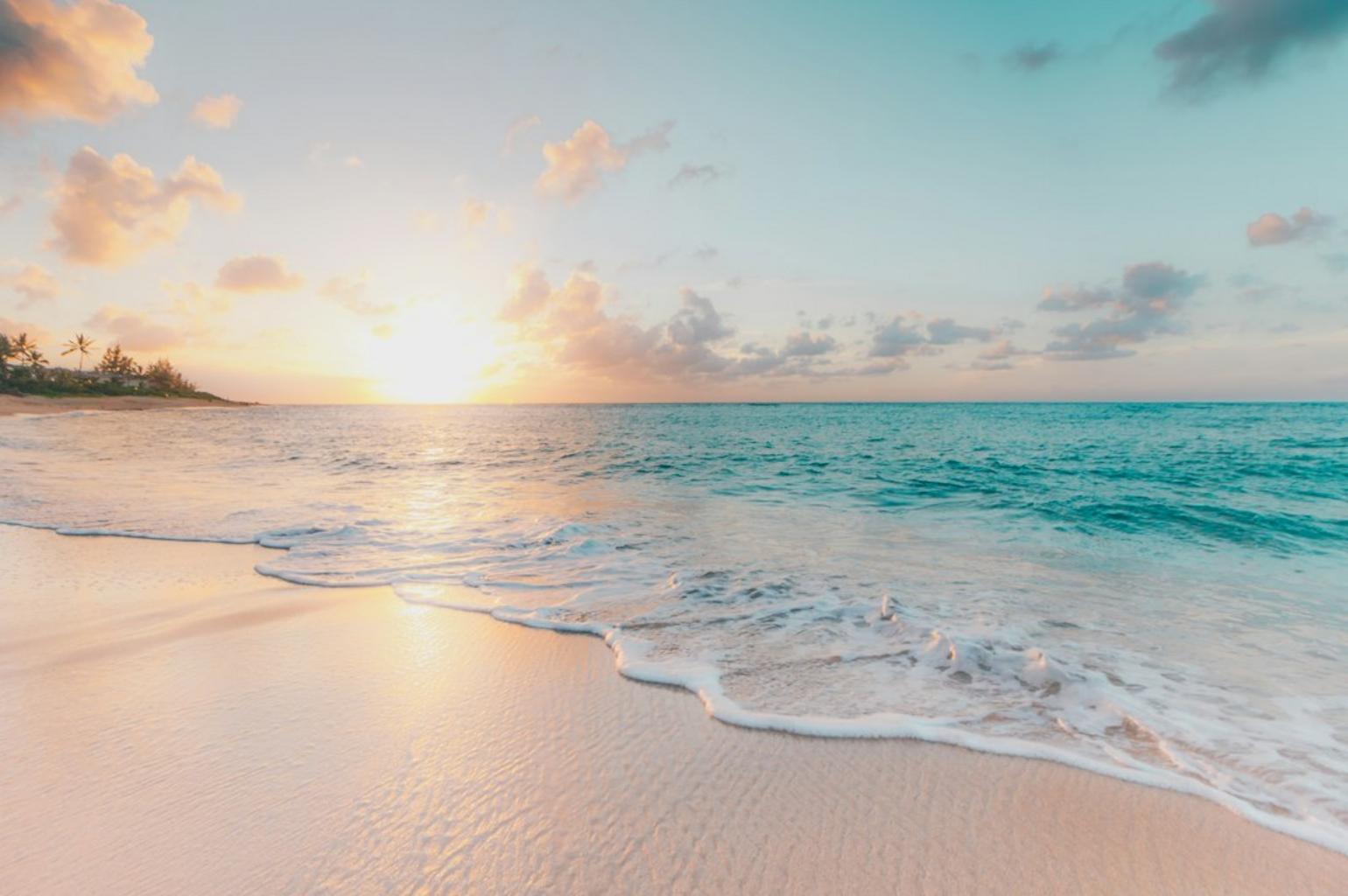
Why September works well for short beach trips near Kolkata
September comes after the heavy monsoon, so the landscape feels fresh and the air is cleaner. Temperatures usually sit between 25 and 30 C, so it is noticeably cooler than summer. Tourist numbers are still lower than in October and the winter months, which makes the beaches, sunsets and villages easier to enjoy. The sea is often calmer than during peak monsoon, but local conditions vary; always check the tide and sea warning before planning to swim.
What to check first
Before you set off, check the local weather forecast for heavy rain or any official sea warning, look at recent traveler reports for beach cleanliness and tide behaviour, and if you want water sports, call the provider to confirm they are operating and ask about safety checks. Also check train or ferry timings, because rain can change schedules quickly at smaller piers and stations.
Top 5 beach choices and how they differ
Mandarmani Beach
Mandarmani is about 170 km from Kolkata, roughly a two and a half to three hour drive if traffic behaves. The beach is long and motorable with a quieter vibe than Digha, which makes it good for long walks and mellow sunsets in September. Small water-sport options such as jet skis and banana boats often return after local safety inspections once the monsoon subsides, but availability can vary day to day. Resorts and homestays line the beach; many are open but book if you have a particular place in mind. Check whether lifeguards are on duty before getting into the water, since some operators only resume after an official sea-condition check.
Digha Beach
Digha sits around 180 km from Kolkata and is the most developed among these choices, with more eating and shopping options that families find useful. In September you can visit the Marine Aquarium and take short trips to nearby spots like Udaipur Beach without the full crowds of winter. There is a wide range of accommodation from budget hotels to mid-range resorts. The trade off is convenience for slightly higher visitor numbers compared with smaller beaches; if you want fewer people, head to a less commercial shore nearby.
Bakkhali Beach
Bakkhali is roughly 125 km away and lies close to the Sundarbans delta, so it feels quieter and greener. September is a good month for boat trips to Henrys Island and for short mangrove walks while the foliage is fresh. Accommodation tends to be cottages and eco-resorts rather than large hotels, so expect simpler comforts. Roads and boat schedules can be affected by late rains; confirm transport and pier timings before you leave to avoid a long wait.
Tajpur Beach
Tajpur, about 170 km from Kolkata and near Mandarmani, is more offbeat and tends to stay cleaner. You will see red crabs, casuarina trees, and fewer commercial shacks. In September people go for beach camping, bird watching, and sometimes short paragliding sessions if operators are active. There are only a few homestays and shacks, so book early. The trade off here is peace for fewer facilities, which means food and transport after dark can be limited.
Junput Beach
Junput sits around 177 km from Kolkata, near Medinipur, and is low key with casuarina-lined shorelines and good local seafood. It is a place for photography, village walks and quiet sunsets in September. Accommodation is basic: small resorts and guesthouses rather than luxury options. People often expect nightlife or more services, but Junput is best for days spent relaxing rather than late night socialising.
How to plan a September weekend from Kolkata
Travel choices change what you can carry and how flexible your schedule will be. Driving your own car gives control and is handy if you are travelling with family or beach gear; expect roughly three to four hours depending on traffic. Trains to Digha and nearby stations are a cheaper, less tiring option, but you will need a taxi or local auto from the station to the beach. Hiring a cab for a round trip is possible but can be expensive for a short weekend.
Leave early on Saturday morning to avoid the city rush and to get a full afternoon at the beach, and aim to return on Sunday afternoon so you are not driving late on rural roads.
Packing and practical tips for September
Bring a light rain jacket and a waterproof pouch for electronics because occasional showers still happen. Mosquito repellent and a small first aid kit are useful in the evenings and in village areas. Midday sun can still be strong, so carry sunscreen, a hat and sunglasses. Small beaches like Tajpur and Junput often work mostly in cash, so keep some notes handy. If you plan to camp, check rules and whether the host allows open fires.
Swimming and water-sport safety
Do not assume all beaches are safe for swimming just because the season looks calmer. Ask local lifeguards about tides and currents each day, especially after rain. Many water-sport operators resume after monsoon inspections, but call ahead and ask what safety equipment they use and whether they run sessions during September. If you are not a strong swimmer, stay within sight of shore and avoid venturing out after dusk when currents and visibility change.
What the weather and environment look like in September
Expect daytime temperatures around 25 to 30 C and cooler nights. Early in the month there can still be intermittent rain, so check the forecast before you go. The sea is generally calmer than during the monsoon, but local currents matter. The countryside is green and fresh, and you may see migratory birds and small beach fauna such as red crabs. In terms of cleanliness, places like Mandarmani and Tajpur tend to feel cleaner; at smaller spots like Junput, waste management varies, so be prepared to carry out your trash.

Local food and village experiences
Fresh coastal seafood is the main draw at shacks around Mandarmani and Tajpur; ask how recently the catch was brought in and how the cook recommends it. Walking through fishing villages at Junput and Bakkhali gives a glimpse of daily life, but be respectful and ask before photographing people or their equipment. Choosing homestays and local shacks over chains helps keep money in the community. And avoid leaving plastics or having beach fires, since smaller beaches can be spoiled by careless visitors.
Who should pick which beach
Choose Digha if you want convenience and more facilities. Mandarmani is better if you prefer long walks, resorts and a quieter shoreline. Bakkhali works if you want mangrove views and birding rather than resort comforts. Tajpur is for offbeat camping, nature scenes and fewer crowds, but accept limited services. Junput fits those who want simple stays, local seafood and low-key solitude.
Quick FAQ and packing checklist
A short note before the lists: these are the common questions people ask and the items travellers usually forget. The checklist keeps packing light but practical.
FAQ
- Is swimming safe in September at these beaches? Often yes, but ask local lifeguards each day and avoid swimming after heavy rain because currents can change quickly.
- Are water sports available in September? Many operators resume after monsoon checks, but availability depends on local inspections and weather. Call ahead.
- What is the best transport mode from Kolkata for a weekend? Driving gives flexibility and lets you carry gear. Trains are cheaper but need a last mile taxi.
Packing checklist
- Light rain jacket and a small umbrella
- Sunscreen, sunglasses and a hat
- Mosquito repellent and a small first aid kit
- Flip flops and one pair of sturdy shoes
- Phone power bank and a waterproof pouch
- Cash for small shops and local vendors
Final practical note
September gives you fresher air, fewer people and nicer sunsets than the crowded winter season. The main decisions are travel style and how much comfort you want. If you want quiet and nature, pick Tajpur or Bakkhali and accept simpler stays. If you prefer convenience, Digha or Mandarmani are better fits. Book homestays at Tajpur and Junput early, check local weather and water-sport availability before you leave, and plan to walk, eat fresh seafood and come back relaxed and ready for the week.