
You want to go somewhere alone in September, but you are not sure which place fits your mood, what the weather will do, or how to stay safe and meet people. September is a great month for solo travel because many places have fewer crowds, softer weather, and special events. If you plan a bit, you can have more freedom and less stress. Here is a clear, practical guide to help you pick a spot, pack right, and plan smart when traveling solo in September.
Why choose September for a solo trip
Fewer crowds, lower prices, milder weather, and more local life are the main practical gains. Popular sites are easier to see because many summer travelers have left. Flights and hotels often cost less than peak summer. Heat and heavy tourist weather usually ease up, and you see more everyday local life rather than only tourist shows.
When this works: If you want easier museum access, quieter beaches, or early fall leaves.
When it does not work: If you want guaranteed beach weather everywhere, or places that only shine in high summer.
What to check first: Local school holidays and national events, because those can still bring crowds and higher prices. Also check entry rules and health advice for each country before you book.
Top destinations by what you like
Pick one area based on how you want to spend time. Below are good picks with short notes aimed at solo travelers.
For nature and adventure lovers
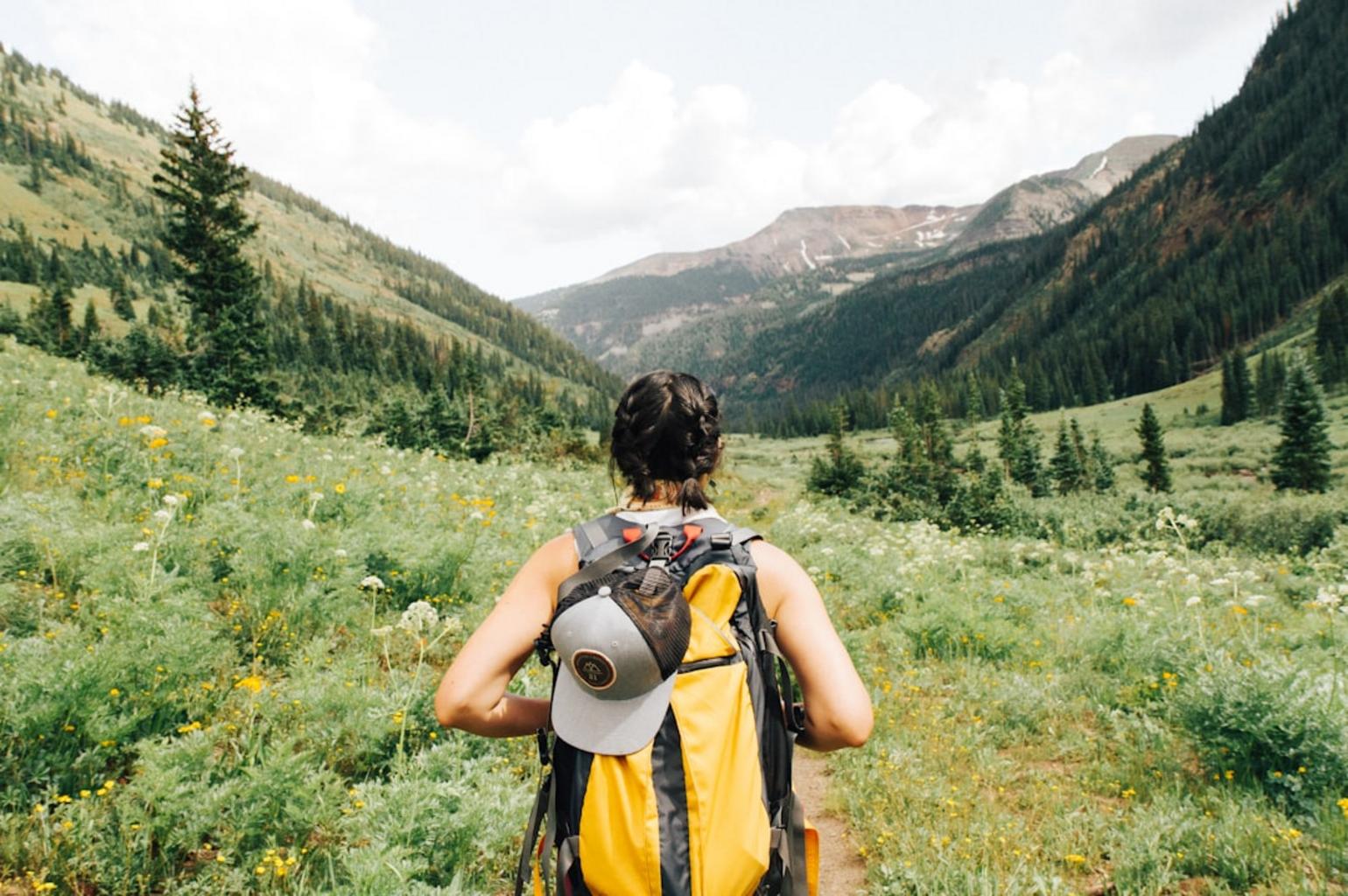
Canada offers mountains, forests, and early fall colors, with good hiking and friendly small towns. It is best if you like trails and clear air; nights can be cool. Slovenia is small, safe, and great for day hikes, with hostels and guesthouses that make it easy to meet people. Iceland gives wide open, very safe spaces; you can rent a car and find big quiet places, and September sometimes brings the first Northern Lights, though it can be expensive. Tanzania is entering the dry season for wildlife, and safari guides handle logistics so you can join group tours even when traveling alone; expect higher costs and check vaccine and insurance needs.
For beach and warm-weather fans
Greece still has warm islands and pleasant sea temperatures, but far fewer crowds, which is ideal for walking towns and quiet sunsets. Thailand still has busy backpacker spots and active social scenes, though some regions see more rain in September; pick islands or areas with better weather and join boat or dive trips to meet people. Sri Lanka mixes beaches and culture well, but some coasts are wetter in September, so choose the side of the island with drier conditions.
For culture and festival seekers
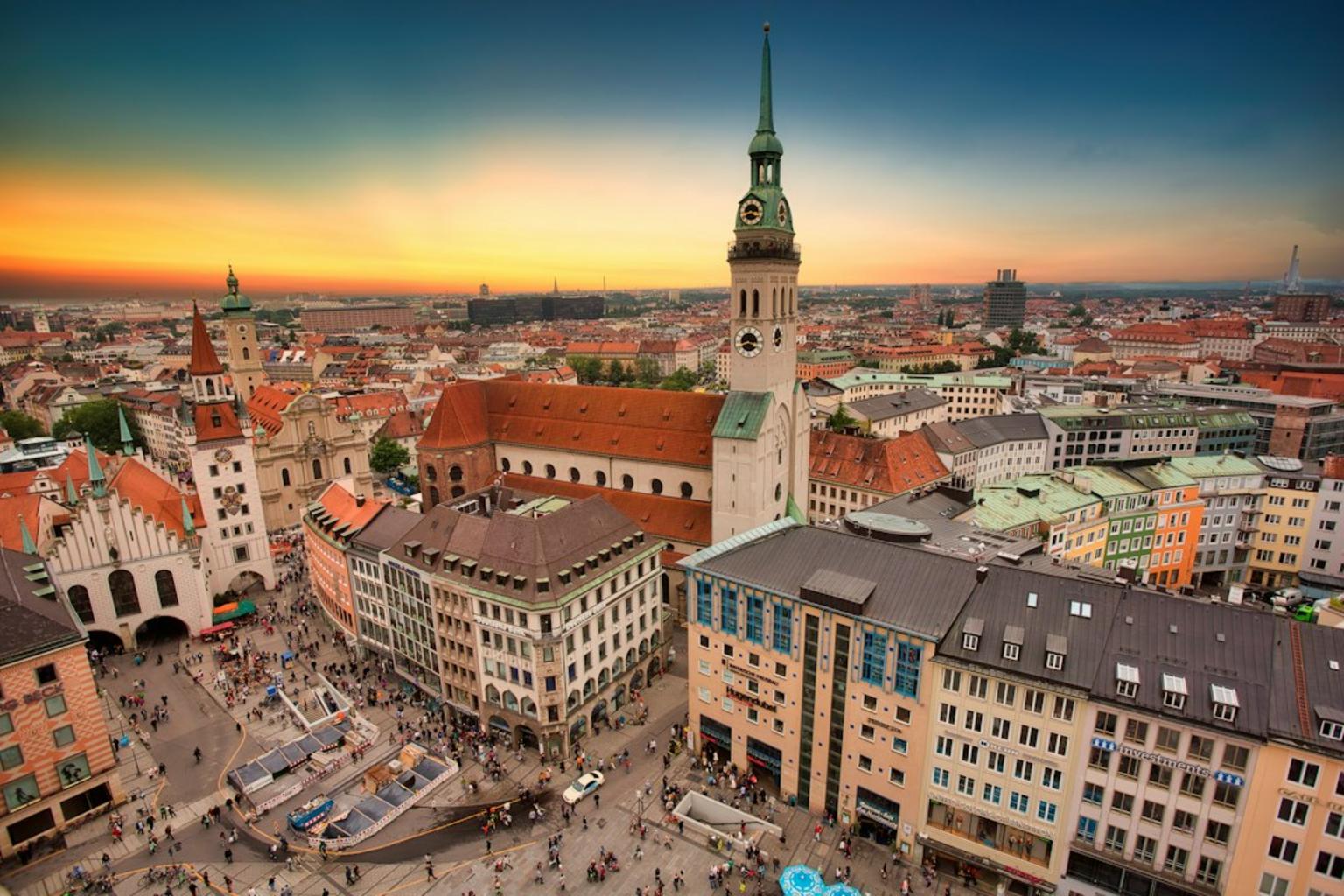
Munich is the place for Oktoberfest, which is lively and social, making it easy to meet people. In 2026 the festival runs from September 19 to October 4, so expect crowds and higher local prices on those dates. Paris is cooler and calmer, with good gallery time and cafe life; it’s great for solo walks and museum days.
Off the beaten path
The Faroe Islands offer quiet cliffs and small towns with fast-changing weather; bring warm waterproof gear and expect solitude and dramatic scenery. Botswana has strong safari options and small guided-group itineraries, with high comfort and safety, but plan and budget accordingly.
Weather expectations and packing tips
Weather varies a lot in September, so think layers. A warm layer plus a waterproof shell will cover many climates without overpacking.
General temperature guide, typical ranges:
- Northern Europe, Iceland, and Faroe Islands generally feel like 5 to 15 degrees Celsius, with wind and rain likely. Bring a warm rain jacket.
- Southern Europe and Greece tend toward 18 to 28 degrees Celsius, so light clothing and a light sweater for evenings work well.
- Southeast Asia, including Thailand and Sri Lanka, is usually 24 to 32 degrees Celsius with humidity and possible heavy rain; quick-dry clothes and a light rain jacket are handy.
- Canadian mountain areas vary from 5 to 20 degrees Celsius depending on altitude, so expect chilly mornings and nights.
- Tanzania and Botswana are typically 20 to 30 degrees Celsius with dry days; pack sun protection and a light layer for cooler nights.
Packing tips for solo travelers
Layers work best, and flexible pieces save space. Bring one sturdy pair of walking shoes and one lighter pair for town or beach. A simple health kit with basic meds, blister care, and any vaccines or prescriptions you need is sensible. For tech, include a portable charger and the right cables, and plan for either a local SIM or an eSIM so you can stay connected. If you’re going to a festival, add a small day bag, a reusable water bottle, and comfortable shoes.
What people often get wrong is packing too many clothes for every eventuality. Choose items you can layer, and for some trips consider renting bulky gear instead of bringing it.
Smart planning tips for traveling solo in September
Book the essentials early: flights, the first night of accommodation, and any must-do tours. Shoulder season still attracts smart travelers and some events can sell out. Do safety checks by reading recent local travel advice, registering with your embassy if that makes you comfortable, and keeping copies of important documents.
Buy travel insurance that covers medical evacuation and activity risks if you plan hiking or a safari. For socializing, pick hostels, group tours, or short classes where meeting people is built into the day. If you prefer quiet, choose a guesthouse with a communal space so you can meet others while still having private time.
Get an eSIM or local SIM early so you can call taxis and use maps. Connectivity matters when you travel alone. Have a small mix of cash and cards, and check whether places you plan to visit accept contactless payments.
When to book: early booking makes sense for festivals, safaris, and guided hikes. For quiet beach towns you can often wait and sometimes save money by booking closer to travel dates.
How to get the most out of a solo September trip
Decide what you want from each day: new friends, quiet time, or some of both. That choice shapes the trip more than the destination alone.
Meeting people happens easiest in short, structured activities such as walking tours, boat trips, or cooking classes. These are low commitment and make conversation natural. Hostels and local meetup apps also work, but read the room and be polite; not every situation is social.
If you want time alone, plan a few sociable activities and leave other days open for wandering or writing. Bringing a notebook or camera creates a simple daily habit and helps you remember details.
What costs more than expected
Festival dates and safaris can push prices up, and food and drinks at big events often cost more than regular dining. Transport in rural areas can also add up, especially remote hikes or island transfers, so factor those into your budget.
When September is not a great fit
Avoid expecting perfect beach weather everywhere. Some islands and coasts shift seasons in September. Also, if your travel style needs fixed schedules and services, shoulder season can be frustrating because some things run on reduced timetables.
Final practical steps
Make one clear decision now: a type of trip, a week range, and a budget. Search a few flight options, then lock in your first night and one must-do activity. Buy travel insurance, check entry rules for your destination, tell someone your plans, and leave an emergency contact.
Conclusion
September gives you fewer crowds, softer weather, and a lot of travel options without the worst of peak-season stress. Match the place to the experience you want, check seasonal weather and local calendars, and book the essentials first: flights, your first night, and insurance. For company, choose social hostels or day tours. For solitude, pick a smaller town or a nature spot and bring warm waterproof gear. Now pick the mood you want, make one reservation, and keep the rest flexible. If you have a few places in mind, tell me which ones and I can help you compare weather, crowd levels, and costs.