
Understanding September Wildlife Patterns in U.S. National Parks
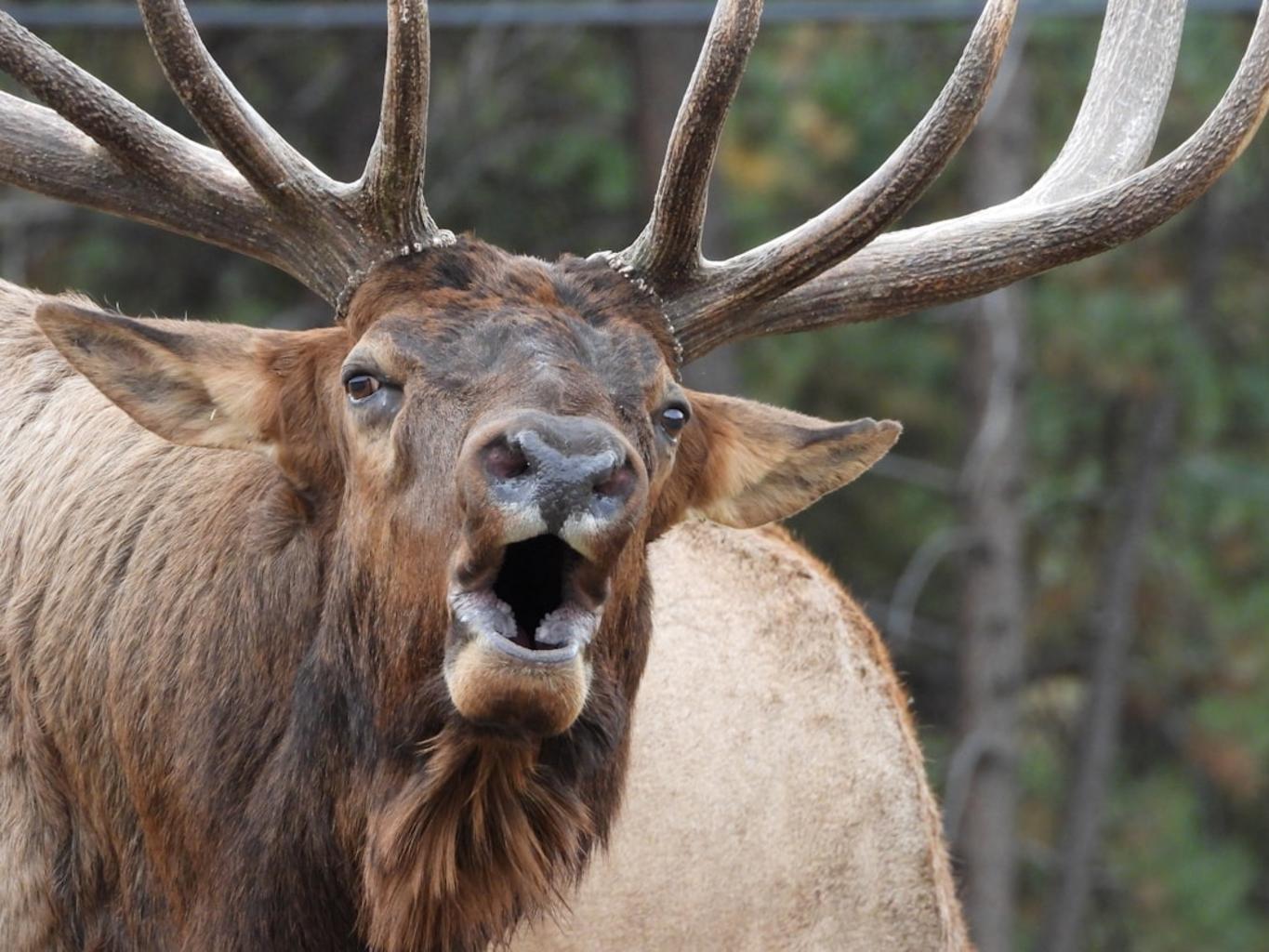
Elk move and start rutting in September, so bulls bugle and herds shift elevation. Some routes are regular, for example elk move from lower Absaroka foothills into Yellowstone’s higher summer ranges, but exact timing changes year to year. If it lines up, visit valley and transition zones at dawn and dusk. If it does not, bad weather or an earlier or later migration for that year can mean quiet fields.
Bears also bulk up in September, looking for fruit, berry patches, salmon streams, and sometimes townsites where food is easier to find. People often assume bears only turn up in deep backcountry. In reality they also forage along roads and busy trails, which makes vigilance near trailheads and pullouts important.
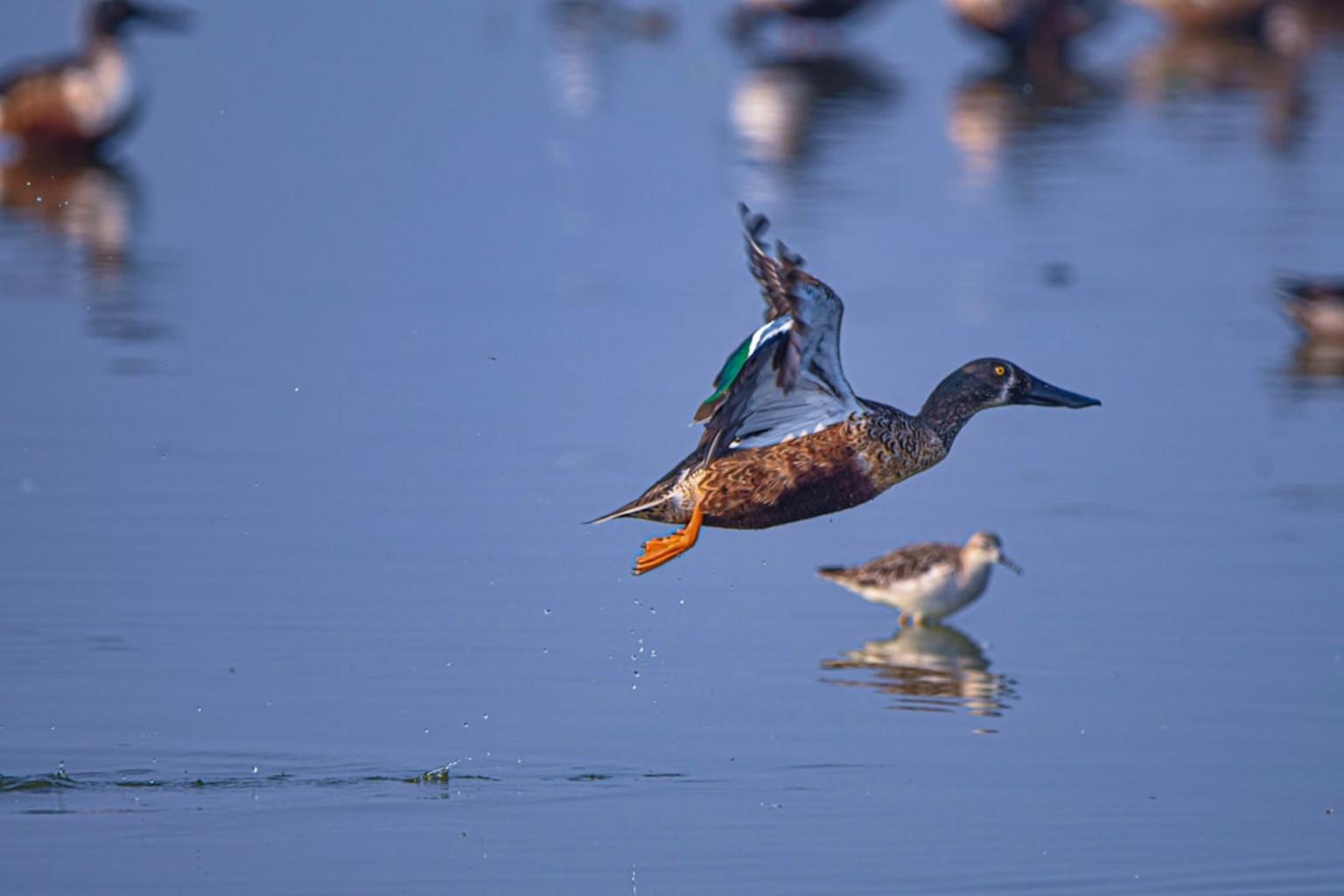
September is a major fall stopover for warblers, shorebirds, raptors, and other migrants. Parks near coasts and wetlands collect big numbers of migrants, but timing shifts with weather. Check recent migration reports before you go, because a cold front or a late warm spell can move or scatter the birds. See National Geographic for more on migrations https://www.nationalgeographic.com/travel/article/us-national-parks-best-animal-migrations
Top 6 National Parks to Visit in September for Wildlife Viewing
Yellowstone National Park, Wyoming Montana Idaho
September brings elk movement, heavy bear foraging, and fewer summer tourists. Expect elk, bison, bears, wolves, and lots of birds. Lamar Valley is where people still find bison and wolves, Hayden Valley for broad views, and roads near townsites often become bear management areas. Stay behind barriers and check park road and weather updates before you set out.
Zion National Park, Utah
Cooler days in September make canyon hikes easier and animals more active near water. Mule deer, many songbirds, hummingbirds, and small mammals show up along the Virgin River and on lower trails like the Riverside Walk. Canyon rims at dawn are quiet and productive. Zion is still popular, so avoid main trailheads at midday when crowds peak.
Acadia National Park, Maine
September is a peak month for fall bird migration and coastal stopovers at Acadia. Warblers, shorebirds, migrating songbirds, and small mammals are visible from Cadillac Mountain at sunrise, on the Schoodic Peninsula, and along rocky coastal trails. This is a good pick for birders who want a shore and forest mix with easy access.
Grand Canyon National Park, Arizona
Cooler rim weather in September means more active mule deer and elk near the rims, plus fall migrant songbirds and raptors in riparian zones. The South Rim viewpoints and the Bright Angel Trail at first light are the best bets for wildlife viewing. Parking and permits can matter, so plan to get an early start.
Mesa Verde National Park, Colorado
Mild weather and quieter trails in September make it easier to spot wildlife near cliff dwellings. You will see mule deer, turkey, songbirds, and small mammals around mesa edges and overlooks near archaeological sites. If you are after huge herds, Mesa Verde is not the place, but it offers more intimate wildlife moments.
Glacier National Park, Montana
Late-summer foraging shows up in elk and bears in September, along with migratory raptors and waterfowl. Many Glacier and the Going to the Sun Road are good areas to watch. Check conditions, because Going to the Sun Road can close early for snow and road access may change quickly.
How to Safely and Responsibly Observe September Wildlife
Wildlife encounters in September can be vivid, and the risks are real. A recent study showed elk were involved in most aggressive encounters and that low-impact activities like hiking and wildlife viewing carried the highest frequencies of run-ins. See Frontiers in Conservation Science for the study https://www.frontiersin.org/journals/conservation-science/articles/10.3389/fcosc.2026.1764328/full
Practical safety steps to use in the field:
- Hike in groups and make noise on tight, brushy trails so animals hear you first
- Keep dogs leashed and under control, because dog walking raises risks with mule deer and other animals
- Carry bear spray where allowed and know how to use it; do not assume it is permitted everywhere
- Keep distance, use binoculars, and back away if an animal changes behavior, stops feeding, looks at you, or moves toward you
- Never feed animals, that habit creates dependency and danger
Following these rules in heavily visited parks and townsite areas reduces incidents. What often goes wrong is complacency: people treat curious or tolerant animals as tame, let kids or dogs wander, or allow quick photo opportunities to erase safe distance. Those choices make encounters more likely and more dangerous.
Seasonal Highlights: Migratory Birds and Butterflies to Look For
Coastal and wetland parks collect many migrants in September, so Acadia, Everglades, Big Bend, and Channel Islands are worth watching for different species. Use live migration tools such as Bird Migration Explorer to time your visit https://www.birdmigrationexplorer.org/ and check local birding reports for exact windows.
Monarchs and other butterflies pass through parks such as Shenandoah, Acadia, Pinnacles, and Yosemite. September can show good monarch numbers in eastern and coastal parks, but timing is variable. If you are chasing monarchs specifically, pick parks with recent monarch reports and be ready to change plans if a weather system pushes them earlier or later.
Planning Your September Wildlife Visit: Practical Tips
Early morning and dusk still offer the best chances. Midday tends to be quiet. Weather in September is often mild but unpredictable; high-altitude parks such as Glacier and Rocky Mountain can see early snow. Pack layers, a waterproof jacket, sturdy boots, binoculars, a headlamp, and bear spray if allowed. Book lodging earlier for popular parks because fall foliage and wildlife season bring visitors back. Staying outside the park can be cheaper and more flexible.
Many parks run seasonal shuttles that change schedules in September, so check park websites before you go. Driving between viewpoints in large parks like Yellowstone and Glacier often takes longer than people expect, especially when traffic slows for wildlife sightings. Plan for delays, and be patient, because animals do not follow a timetable.
Bonus: Lesser-Known September Wildlife Destinations Worth Exploring
Everglades is strong for fall birds and spoonbills, especially for wetland birders. Big Bend offers cooler hikes and good birding with fewer crowds than spring. Channel Islands has strong whale watching and seabird activity through summer into September. Crystal River National Wildlife Refuge is best for manatees in winter, not September, but worth noting if you expand your travel windows. These spots suit people willing to skip the busiest parks and focus on a specific wildlife goal.
Conclusion: Make September Your National Park Wildlife Month
September gives a useful window, with cooler weather, active animals, and fewer summer crowds in many parks. Your choices are mostly about timing, location, and how much risk you accept. Check recent park reports and migration tools, book lodging and any shuttle seats early, and carry the right gear. Respect distances and leash rules. Do this and you are more likely to come home with real sightings and safer memories. Tell others what you saw or ask questions about a park you are considering, because planning well makes the difference between driving past wildlife and actually watching it.