
You want to plan a summer road trip in an electric car but worry about charging and long waits. That’s a common snag. Here are routes where chargers are easy to find, and simple planning tips so charging fits the trip instead of ruining it.
Why EV road trips feel easier in 2026
Charging networks grew fast. A 2026 report from gridX says Europe has over 1.2 million public chargers across 32 countries. Fast chargers rose about 38.5 percent, and ultra fast chargers are more common too.
That doesn’t mean every road is perfect, and you still want a plan. Still, many popular routes now have enough chargers that you can enjoy the sights and top up while you eat, walk, or sleep.
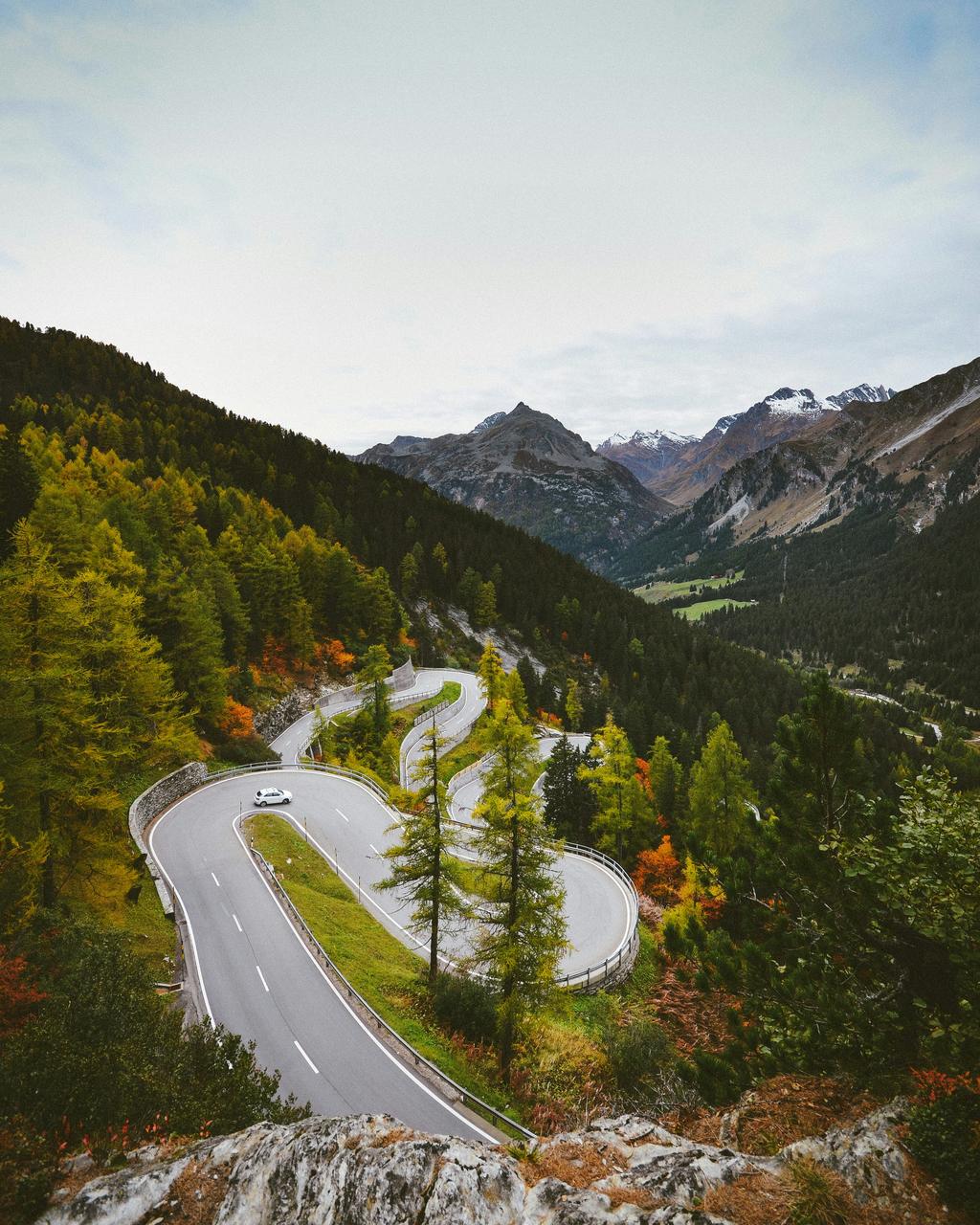
Top charging friendly EV routes in Europe
The Netherlands, Rotterdam to Groningen
Flat roads and short drives between towns make it an easy drive, and networks like Fastned have many reliable fast chargers along the way. This is good if you want short daily legs and lots of stops rather than long driving days.
What to watch: some rural chargers are slower than the big station sites. If you rent a campervan, confirm plug type and charger power beforehand to avoid surprises.
Luxembourg, Grand Tour du Luxembourg (circular)
The country is small and dense with chargers, roughly 3,000 public points and about 500 fast chargers by 2026. That makes for a relaxed loop where you can stop often for nature, castles, and wine without worrying about long gaps.
Caveat: small roads can be narrow and village parking fills up. Expect slower driving and occasional tight spaces.
Cotswolds, UK: villages and market towns
Short hops between towns suit the Cotswolds; many market towns and self-catered cottages now offer onsite charging. Families or couples who want walking and a slower pace find this handy.
What people miss is that some chargers are private for guests. Book accommodation with confirmed charging and don’t assume a public option is always nearby.
Iceland, the Ring Road, counterclockwise suggested
Iceland’s charging per person is high, and scenic stops tend to line up with charging points. If you have 10 to 14 days and want slow driving and big views, this loop works well.
Watch for long stretches with fewer chargers in remote fjords, and always plan for weather delays that can add hours to a leg.
Norway, Ålesund loop and Atlantic Ocean Road
Norway has many fast chargers and services that welcome EVs. Hotels often offer overnight charging, which turns longer travel days into manageable chunks with scenic stops and ferries.
Trade-off: mountain roads and ferries add time. Check ferry schedules and confirm charger access at smaller towns, since some spots lock chargers behind hotel gates or limited hours.
Alsace, France, Wine Route
Short legs between villages let you top up at towns, hotels, or tourist sites, which fits a food-and-wine trip where you plan slow days. Expect to combine tastings with short charging stops.
What to check: some public chargers are used by commuters or local shoppers during peak harvest, so peak-time waits are possible.
Catalonia, Spain, Grand Tour of Catalonia
This compact region mixes culture, beaches, and mountains, and local plans aim for many more fast chargers by 2027. It suits a long cultural loop where daily drives are short enough to stop often.
Caveat: summer weekends along the coast get busy. Book accommodation and plan midday top-ups if you don’t want to rely on an available charger at peak times.
EV road trip planning essentials for 2026
Pick the right apps and cross-check them. Use one app for route planning and one or two for live status checks, because listings and availability differ between services. Primary apps to use include:
- A Better Route Planner, PlugShare, Electromaps
Cross-check two sources and your car’s nav. Chargers can be offline, listed with the wrong connector, or marked available when they are not. In small towns some private chargers won’t be listed at all, so call ahead if possible.
Plan daily mileage with buffer. A practical rule is to plan shorter than your maximum range, and when you have long days aim for 300 to 400 mile segments rather than pushing to the limit. More stops slow you down but cut stress, and if you are the only driver, avoid stacking many long days in a row.
Charge smarter, not fuller. Top up to about 80 percent at fast chargers, because charging above that slows dramatically per added kWh. Do fill to 100 percent only if the next stretch lacks chargers or you will be parked for a whole day. Waiting at a fast charger to hit 100 percent for no reason is often wasted time.
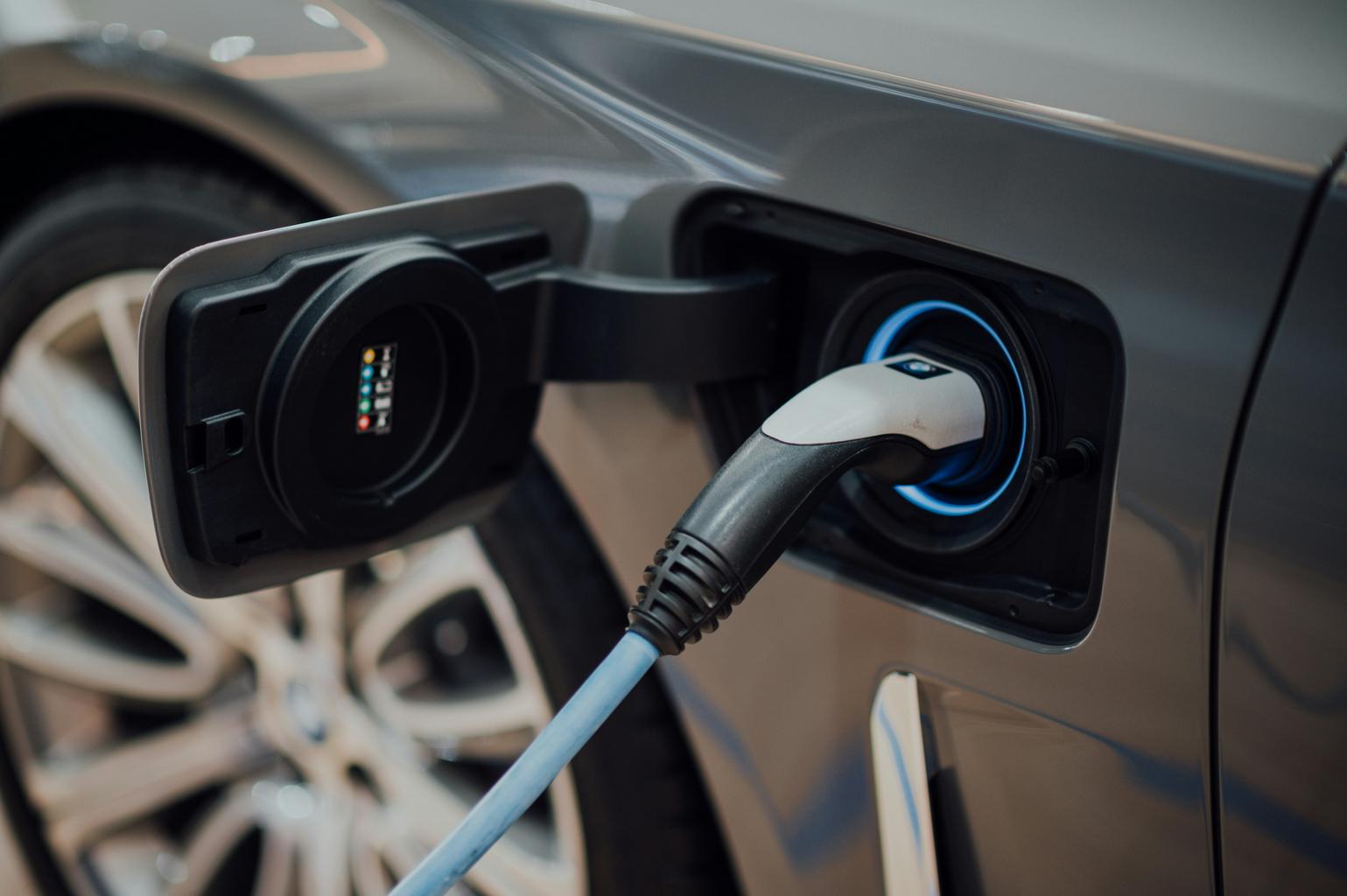
Choose chargers near useful stops. Favor stations next to cafes, parks, or attractions so charging becomes part of the day. That does not help if the nearby spot is expensive, crowded, or unreliable, so check recent reviews and photos.
Know your real-world range. Hills, sustained high speeds, heavy cargo, and very hot or cold weather all cut range. Check tire pressure, remove roof racks when you can, and be mindful of AC or heater use. Small choices add up over long days.
Layer networks when possible. If you have branded access in a region, use it alongside public apps. Renters should ask if the vehicle includes charging adapters or a public charging account, because not all rental cars come with the same access.
How technology helps the trip
In-car navigation will suggest chargers along your route, and that often gets you close. Let the car plan, then verify with ABRP or PlugShare because the car’s map can be out of date or show chargers as available when they are not.
If you have a smart home charger such as a Wallbox Pulsar Max, schedule a full charge the night before. That reduces pressure on day one, though a home charger helps only if your accommodation lets you use it and you have time to plug in.
Hands-free driving systems like Super Cruise reduce driver fatigue on compatible roads, but they do not replace attention. Check compatibility maps and know where the system is allowed to operate before you rely on it.
Planning an EV road trip in North America, a real example
- Break the trip into manageable daily miles. Many people aim for 400 to 600 miles on long days but prefer fewer back-to-back long days.
- Use ABRP, Tesla Find Us Map if applicable, PlugShare, and Google Maps to cross-check charger locations.
- Don’t rely only on hotel level 2 chargers. Book stops in towns with a fast charger network as a safety net.
- Include cushion time for outages or busy stations, and build at least one alternate charger into each leg.
Those steps keep your plan realistic. The extra checks add 15 to 30 minutes per day while you plan, but they save time and stress on the road.
Bonus: Pedal Commander® for comfort and control
Pedal Commander is a plug-and-play throttle response controller that smooths low-speed control and reduces accelerator lag. It helps in stop and go town driving or if you want finer throttle feel.
Limits: it is not a magic range device. Claims of up to 15 percent more range in Range+ mode depend on driving style and vehicle. It will not fix poor planning or long charger gaps.
Wrap-up and next step
First decide whether you want a slow, sightseeing style or a faster, distance-focused trip. That choice changes which chargers you trust and how you book hotels. A practical next step is to pick one route and run it through ABRP, then check PlugShare for alternatives. Book one night’s accommodation with confirmed charging if that matters to you, start the trip with a full charge at home, and keep a loose plan for each day. With a little planning, a backup charger app, and room for unplanned stops, charging becomes part of the trip rather than the thing that ruins it.