
You have one full weekend day and maybe a free Monday or Friday, and you want to get away and feel reset while still being ready for work. Booking a long trip takes too much time, and trying to cram too much into 48 hours often leaves you exhausted. A microcation plus a simple Sunday reset can fix that by keeping plans small and deliberate, so the calm you find on the trip can stick around after you get home.
What are microcations and why people like them in 2026
Microcations are short trips, anywhere from 24 hours up to a few nights. People take them to recharge without the planning and PTO drain of a longer vacation, and they fit into a schedule where frequent small breaks feel more realistic than one big trip. If you live near several good destinations or you want to avoid using a lot of leave, these short trips can work well; if you need deep recovery from burnout, they probably will not be enough.
They work best when transit time is short and predictable, when you can reach the place without losing half a day to travel, and when you do not have to cross time zones you cannot handle. They do not work if you hate rushed travel or if flying nervously makes you tense, and they are a poor substitute for a multiweek break when you need real distance from work. A common mistake is treating a microcation like a mini do everything trip; you will get more out of one or two things done well than a full schedule of rushing.
Before you book, check a few practical things: door to door travel time, typical delays for the route and airport you will use, and whether a time difference will leave you jet lagged. People often skip those checks and then lose most of the day to transit or unexpected waits, so make those early checks part of the decision to go or not.
Social media and a culture of short breaks have made microcations more common, especially among younger travelers and busy professionals. They can work as long as you match the trip to your energy and keep the plan simple.
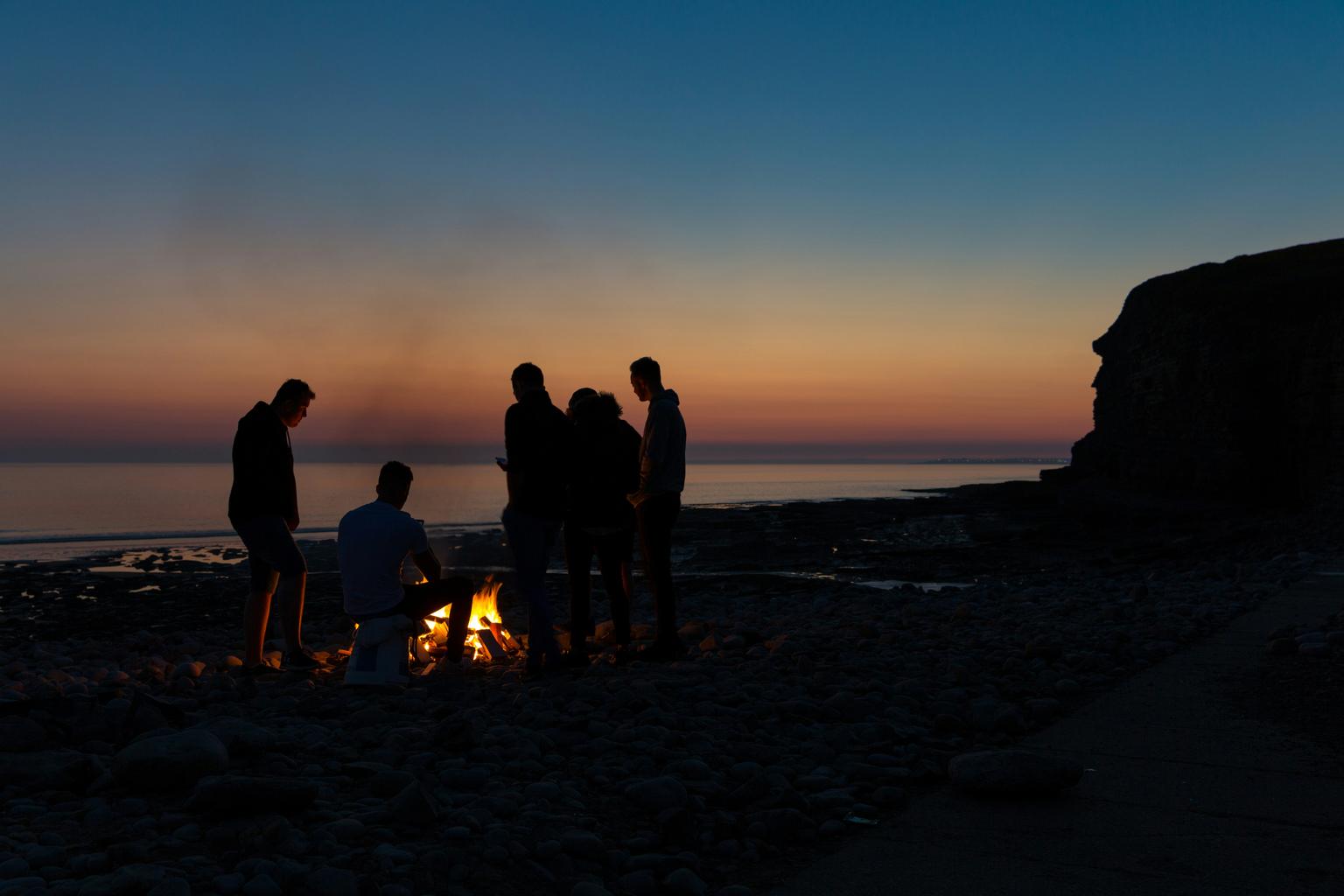
How a Sunday reset makes your microcation feel like a real break
A Sunday reset is a short ritual you do on a Sunday to tidy up, plan a little, relax, and sleep better before the week. You can do a quick reset before you leave so you are not worrying about the house or work while you are away, or you can do it after you return to help the trip’s calm carry into Monday. Either way, the point is light preparation and a gentle reentry, not a full day of chores.
A reset cuts the usual Sunday Scaries by getting small tasks out of the way and setting your week up so you are less reactive. That might mean having a plan for meals, doing one quick tidy, and getting an earlier bedtime after travel. Treat the reset like a few small acts that lower friction for the week rather than an exhaustive to do list that steals the last day of rest.
People often turn the reset into heavy chores and then feel resentful, or they skip wind down routines and run into a rough first workday because they stayed up late after travel. Keep the reset light: twenty minute tasks are often enough to protect your new calm, and an early sleep the night after travel matters more than perfectly organized drawers.
Planning a 48 hour microcation that actually refreshes you
Decide whether you want the trip to be slow and restful or short and packed with new sights, because that choice shapes the whole weekend. If your goal is rest, prioritize a good room and a calm neighborhood; if your goal is exploration, pick a compact area you can walk or take short rides around. Be honest about how much walking or museums you actually enjoy in a compressed time frame and plan accordingly.
Pick destinations that minimize wasted time and keep logistics simple. Choose direct transport where possible, stay within similar time zones, and book accommodations close to the handful of things you care about seeing. Those small choices reduce the amount of time you spend commuting or waiting and leave you more time to actually be in the place.
Pack carry on only if you can, because not checking luggage saves a lot of time and gives flexibility when flights change. Wear bulky items on the plane and book the earliest outbound flight you can manage and the latest return that does not wreck your Monday, so you get the most ground time. If you do upgrade your hotel for a couple of nights, the arrival will feel calmer and you will spend less time getting around, but if your goal is exploring you may prefer to save on the room and spend on a guided tour or a special meal instead.
Short trips have obvious single point failures: a delay can blow the whole plan, or something you wanted to do can be fully booked. Have a backup like a slower activity, a nearby café you can enjoy, or a park walk you like. If you try to cram too much into a short window you will come home more tired than when you left, so leave some slack.
Microcations fit couples looking for a quick escape, solo travelers who want a brief recharge, and people with limited PTO who still want to travel. They are less good for people who need to step entirely away from responsibilities for several weeks or who get anxious with rushed travel.
Build a Sunday reset you can actually stick to before or after your trip
Keep the reset simple and flexible and treat it like a checklist you can scale up or down depending on energy. Start with small wins: sleep in a bit if you need to, have a slow coffee or tea, and consider a short social media break to avoid stumbling back into work noise. Set a timer for a single 20 minute tidy in one room rather than trying to deep clean everything, and match the reset to what will actually reduce friction for your week.
A practical reset might include washing a batch of greens, cooking a grain to use for meals, or marinating a protein to make weeknight dinners easier, and a short movement session will help your sleep. If you have more energy you can add calendar time to set three top priorities for the week, but if you are wiped from travel do only the tiny items that protect your rest. Keep things pleasant: play music, light a candle, or listen to a short podcast while you tidy so the tasks feel less boring.
Some people use cannabis strains as part of their reset, selecting daytime sativas for light productivity and indicas for sleep. Check legality where you live, and talk to a healthcare provider if you take medications, because interactions and legal issues are real and commonly skipped.
A realistic sample Sunday reset schedule after a microcation
A doable plan is better than an idealized marathon. Sleep a bit longer the morning you land back, have a slow coffee, and write down three things you enjoyed on the trip so those memories stick. Midday, do a 20 minute tidy of one room and start one load of laundry; in the early afternoon cook a grain, wash salad greens, and chop vegetables so weekday meals are less painful.
Late afternoon, open your calendar for 15 to 20 minutes and mark the week’s top three priorities to prevent reactive chaos on Monday morning. In the evening go for a short walk or gentle yoga, then put screens away an hour before bed and aim for an earlier bedtime. If you are drained, skip the planning and focus only on wind down and one small chore; that still helps.

Short trip ideas that work well in 48 hours
These places work because they are easy to reach and compact to explore. Bermuda offers quick East Coast flights and beach vibes; Montreal has walkable neighborhoods and strong food culture; Reykjavík is a small city that gives dramatic day trip options; Mexico City packs dense neighborhoods and excellent food into a few hours of exploration. San Juan, Puerto Rico gives a tropical feel without a passport for U.S. travelers; New Orleans offers music, food, and short walks; Chicago brings architecture, parks, and efficient transit; Washington, D.C. has museums and monuments close together.
Check flight times and passport rules before booking, because you can lose most of your weekend waiting at an airport or at border control. For many readers a closer town or state park will give the same reset with less travel hassle, and that is often the wiser choice if logistics are uncertain.
How to make microcations and Sunday resets feel sustainable
Keep expectations small and repeatable. Choose one must do for the trip and build around it, rather than trying to check a long list of experiences. If something is fully booked, swap it for a nearby café or a park; those low friction alternatives often end up being the parts you remember.
Leave wiggle room so you are not punished by minor setbacks, and make the Sunday reset a low pressure habit rather than a weekly performance you dread. Skip the microcation if you have a heavy week ahead and a short trip would just add more to manage; a local daytrip or postponing the trip until a quieter period is often better. A small habit that helps is to stack the reset with something you already enjoy, like listening to a favorite playlist while you fold laundry, because it makes the task feel easier and more likely to stick.
Conclusion
A well planned microcation and a short, flexible Sunday reset let you step away without losing control at home. Pick a clear goal for the trip, choose a nearby spot, book travel that keeps transit time small, and pack light so logistics do not eat your weekend. Then use a simple reset when you return to protect the calm and make Monday less stressful.
Next step: pick one weekend in the next month, choose a nearby town or city, and set one clear priority for the trip. Book one travel item, such as a train ticket, flight, or hotel, and plan a two item Sunday reset you will actually do when you return. Small moves like that give you the rest you want without the planning grind.