
You booked a trip near Orlando or San Diego and want a night that feels different from the usual beach or theme park stuff. The choice is simple: spend a dark night chasing glowing water or save your time and money for something more predictable. Seeing bioluminescence is quick to plan but it can be hit or miss. This post helps you decide where to go in 2026, what to check before you book, and what to expect once you’re out on the water or shoreline.
What are bioluminescent beaches?
Bioluminescence is light made by living things. In coastal waters the light usually comes from tiny plankton called dinoflagellates. Two common names you’ll hear are Noctiluca scintillans and Lingulodinium polyedra. They glow when the water moves: waves, a paddle, a swimming hand.
People often get this wrong. The water does not constantly glow; the light appears only when the organisms are disturbed. And not every red tide is toxic. In places like La Jolla the algae can look brownish red by day and neon blue at night and are usually harmless, although people with sensitive skin might notice mild irritation.
Before you book, check whether it will actually be dark. New moon nights give the best view. Also consider recent rain or unusual currents since those change where plankton gather and whether you will see much at all.
A quick safety note: the summer dinoflagellates that make Florida’s Sparkling Nights are generally safe to touch or swim in. Avoid swallowing the water. If you have very sensitive skin, rinse off after a swim.
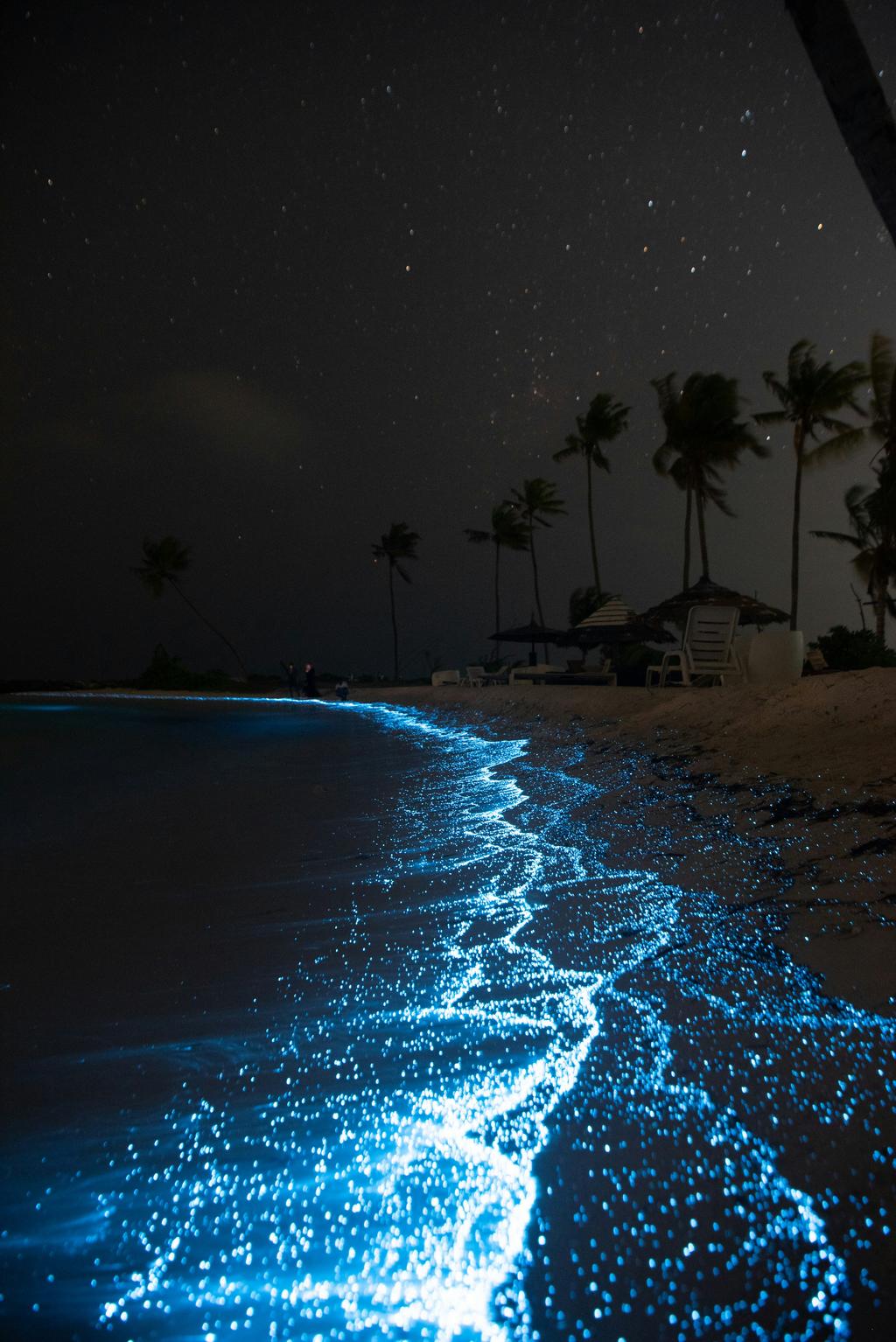
Where to go in 2026: good spots and what to choose
Florida’s Space Coast near Orlando, Cocoa Beach, Merritt Island
People pick this area because the Indian River Lagoon, Banana River, and Mosquito Lagoon glow reliably during summer. It is roughly 45 minutes from Orlando, so it is an easy add on if you are in the area.
Go in season, May through early October, with the busiest months in June to August. New moon nights or other very dark skies give the strongest shows. Guided kayak tours and family raft trips are common here; clear kayaks let you see the glow under your feet, which is great for first timers and families.
What can go wrong: weekends and new moon weekends sell out. If you wait, you may only find crowded tours.
La Jolla and San Diego coast, California
Try Scripps Pier, La Jolla Shores, Black’s Beach, or Windansea Beach. Blooms tend to show up in May to June and again in September to October. The species here, Lingulodinium polyedra, looks like a red tide by day and a neon blue display at night. Local scientists say these events are usually not toxic, but people with sensitive skin might feel mild irritation.
Best viewing is about one to two hours after sunset on very dark nights. Surf and waves make the glow stronger because they stir the water more. If you are in Southern California and can be flexible, this is a good pick. It helps to check local sighting reports on short notice.
Other U.S. spots to consider
Stoney Beach in Buzzards Bay, Massachusetts is known for late summer dinoflagellate shows. Bioluminescent events happen in many places, but the locations above are the most reliable U.S. spots for 2026.
When and how to plan your visit in 2026
Decide first whether you want a guided kayak tour, a family raft, or to stand on the shore. Guided trips usually raise your chance of seeing strong displays because guides know where the plankton are. Shore viewing is cheaper but less reliable.
Before you book, look at a few concrete things
- Moon phase, new moon is best
- Recent local sighting reports or tour operator updates
- Wind and tide reports, since strong winds can push plankton away
- Tour availability for your date, because new moon weekends book early
Those checks matter. If you ignore moon phase or local reports you might arrive on a bright night or when the plankton are elsewhere. Wind and tide can change the show within hours, and a booked tour on a sold out night is harder to switch.
Evening tours typically start about one to two hours after sunset, so be ready to be out late and possibly cold once the sun goes down. Kayaking gives you the fuller experience but requires balance and basic fitness. Raft tours are easier for families or anyone who is less mobile.
What takes more time than people expect is reaching launch points at dusk. Parking and finding the meeting spot can add thirty to sixty minutes. Also give your eyes time to adjust to the dark; the glow looks much better after your eyes settle.
Skip the trip if you hate crowds or cannot stay up late. Peak summer weekends are busy, and a shore visit may be a better fit than a two hour paddle for very young kids or anyone who needs an early night.
What to expect during the experience
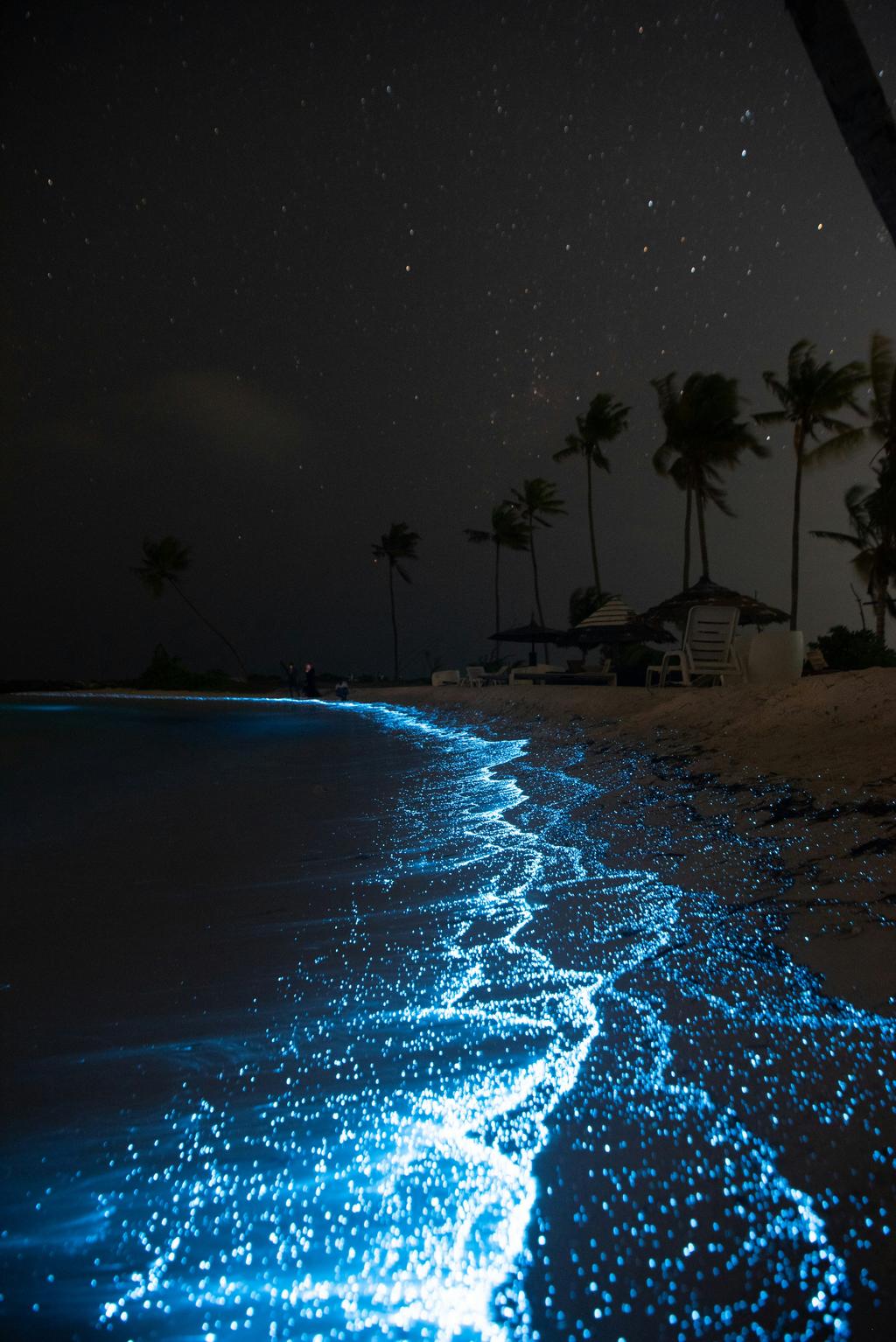
The water flashes blue green. Every paddle stroke, splash, or fish wake makes light. It is mostly visual but can feel odd to swim through glowing water. Your hands, paddle, kayak, and wake will light up when you disturb the plankton.
Be realistic. Some nights are dazzling, others faint. Photos are hard to get with a phone. You usually need long exposures and a steady tripod to capture the glow well.
Popular spots get busy on new moon weekends. If you want quieter conditions, try midweek dates or shoulder seasons such as May or September. Fog, light pollution, or a bright moon will wash out the glow, and heavy rain, storms, or large swells can cancel tours.
Safety and etiquette for bioluminescence trips
Follow simple rules. Don’t swallow the water, use red or low intensity flashlights because white light kills night vision, stay out of protected areas, and leave no trace. These basic choices protect the habitat and make the night better for everyone.
Guides are useful for a reason: they know where plankton concentrations are highest and how to avoid sensitive habitats. They also usually handle permits and safety briefings so you do not need to guess.
People often misunderstand that bioluminescence is guaranteed. It is not. It depends on plankton levels and local conditions. If local reports warn of toxic algal blooms, avoid swimming or paddling that night and follow health advisories.
Wrap up: what to do next
If you want the most reliable, bright shows and you are near Orlando, book a guided clear kayak or family raft tour on a new moon weekend in June to August. If you are on the West Coast or in Southern California, watch local reports in May to June or September to October and pick a dark, low wind night near Scripps Pier or Black’s Beach. If crowds or late nights bother you, pick midweek dates or a shore based option.
Before you go, check the 2026 moon calendar, read recent sighting updates, and book early for new moon weekends. Bring warm layers, a small red flashlight, and patience. The glow is a strange, quiet natural show that rewards a bit of planning and flexibility. If you prepare, your odds of seeing glowing shores on a 2026 night are pretty good.