
Have you ever dreamed of traveling to places where nature is untouched, wildlife roams freely, and local cultures shine bright? That’s the magic of eco-tourism. As we look ahead to eco-tourism 2026, this way of traveling is growing fast and changing how we explore the planet. It’s not just about seeing beautiful places; it’s about protecting them and supporting the people who live there.
Eco-tourism is a type of travel that focuses on taking care of the environment, helping local communities, and making sure our impact on nature is as small as possible. It’s a way to enjoy adventures while respecting the earth. Experts, like the World Tourism Organization, highlight eco-tourism as a powerful tool to keep places healthy and cultures vibrant. Plus, the eco-tourism market is booming — it’s expected to reach over $1 trillion by 2035. That means more travelers are choosing sustainable trips that are good for the planet and good for the people too.
In eco-tourism 2026, we see big shifts toward smarter ways to travel that give back to nature instead of taking from it. This post will share some trends, inspiring destinations, and simple tips on how you can be a responsible traveler in this exciting new era.
Discover What Eco-Tourism Really Means
Traveling can sometimes harm the places we love. Eco-tourism is different because it puts nature and people first. It’s about visiting natural areas, like forests and oceans, without damaging them. It also helps local communities by giving them jobs and letting travelers learn about their culture.
The World Tourism Organization says eco-tourism should conserve nature, help communities, and educate visitors. Imagine going on a hike with a guide who tells you about wildlife and plants, and your trip fees help protect that forest. That’s eco-tourism in action.
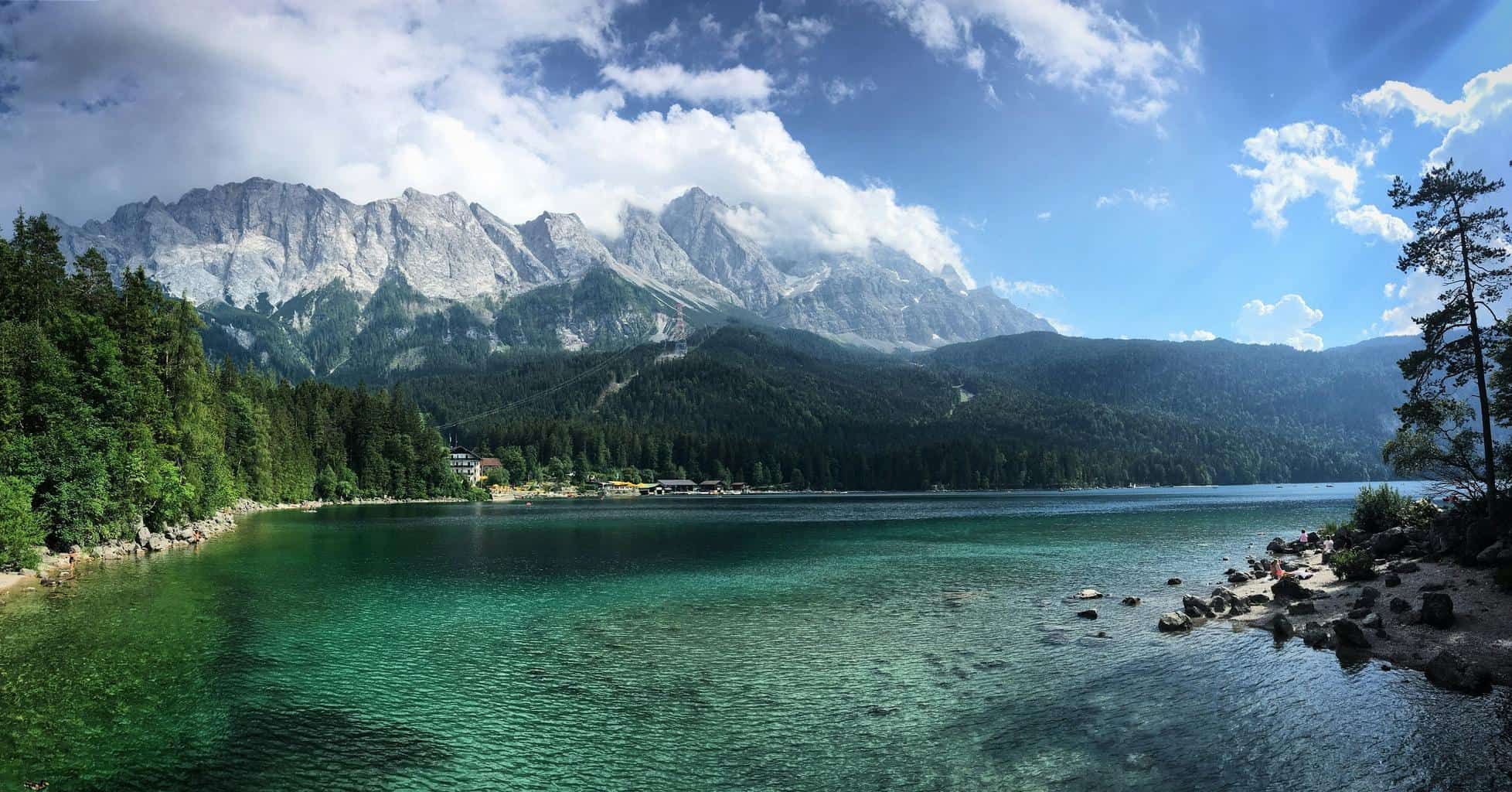
Today, eco-tourism is more popular than ever. In 2023, the market was worth about $295 billion and is growing fast. Many people — nearly 76% according to travel studies — want to make greener travel choices. Travelers prefer experiences that leave a positive mark instead of causing damage.
Eco-tourism also supports local economies. For example, Costa Rica earns over 13% of its GDP from nature-based tourism, giving work to thousands of people in rural areas. This means eco-tourism doesn’t just protect the environment; it lifts communities too. To learn more about how to enjoy nature responsibly and safely, check out our guide on enjoying nature safely.
Of course, there are challenges like overcrowding or greenwashing, but advances in technology and a stronger focus on true sustainability are opening new doors. In 2026, eco-tourism is about being mindful and adventurous at the same time.
See What’s Changing in Eco-Tourism Trends for 2026
Travel is always shifting, but eco-tourism 2026 stands out because it blends new ideas with care for the planet. Here are some of the coolest developments shaping travel today.
Regenerative Tourism: Giving Back More Than You Take
Regenerative tourism goes beyond just protecting places. It’s about making them healthier. Travelers might join tree planting projects, help clean up beaches, or support local efforts to restore habitats. Think of it like watering a garden instead of just walking through it. These activities help ecosystems thrive for years to come.
Slow Travel: Enjoy the Journey and Stay Longer
Instead of rushing through many spots, slow travel encourages spending more time in one place. This means less travel between destinations, which cuts down on pollution. Staying longer also helps travelers connect with the culture and environment in a deeper way. It’s like making a new friend instead of a quick hello.
Tech That Helps Nature Stay Safe
Technology is playing a big role in making eco-tourism smarter. Apps help visitors find eco-friendly hotels or track their carbon footprint. Some parks use AI cameras to watch animals without disturbing them. Even digital guides keep tourists on the right paths to avoid fragile spots. This tech helps protect nature while still letting people explore.
Indigenous Tourism: Learning From Traditional Wisdom
More travelers want to visit places led by Indigenous communities who have cared for their lands for generations. These trips offer authentic experiences and support cultural preservation. Visiting these places respectfully helps keep traditions alive and gives income directly to the people who live there.
Microadventures and Local Tours: Explore Close to Home
Not all eco-tourism needs to mean a faraway trip. Microadventures are short, simple escapes near where you live. A weekend hike, kayaking on a local river, or visiting a nearby nature reserve all count. These trips lower travel emissions and boost local economies.
Explore Top Eco-Tourism Destinations You’ll Love in 2026
Some countries are leading the way in eco-tourism because they’ve made strong commitments to protect nature and support communities. Here are five amazing places making eco-tourism better and easier to enjoy.
Costa Rica: The Green Heart of Central America
Costa Rica is famous for its rainforests, volcanoes, and rich wildlife. The country protects about 25% of its land with parks and reserves. There’s a special program called CST that certifies sustainable tourism businesses. Visitors can enjoy guided jungle tours, see toucans and monkeys, and stay in eco-lodges. Costa Rica shows how tourism can help protect nature and support local people at the same time.
Bhutan: The Carbon-Negative Kingdom
Bhutan isn’t just beautiful; it’s the world’s first carbon-negative country. That means it removes more carbon from the air than it produces. The government charges a Sustainable Development Fee to tourists, which funds environmental and cultural preservation. Travelers here can hike through Himalayan valleys, visit ancient temples, and enjoy a deeply peaceful experience.
Palau: Ocean Protection Leader
This tiny island nation in the Pacific Ocean is home to one of the planet’s largest marine protected areas. Visitors need to take the “Palau Pledge,” promising to respect the environment and local culture. Palau’s focus on ocean conservation makes it a paradise for snorkeling and diving with vibrant coral reefs and sea turtles.
Namibia: A Model for Community Conservation
Namibia was the first African country to include conservation in its constitution. Many rural communities run communal conservancies, which means locals manage wildlife and benefit from tourism. Travelers can go on safaris to see rare desert elephants and lions while supporting these efforts directly.
Norway: Nature and Clean Energy
Norway combines breathtaking fjords and forests with strong climate goals. The country pushes clean energy, electric transport, and low-impact tourism. Visitors enjoy hiking, fjord cruises, and staying in eco-friendly accommodations while knowing their trip supports a low-carbon future.
How to Make Your Travel Greener and Happier in 2026
Traveling responsibly might sound complicated, but it’s about small choices that add up. Here are some friendly tips to start your eco-tourism journey.
- Pack light with reusable items. Using a refillable water bottle cuts down on plastic waste. It’s easy and feels great helping nature.
- Choose transport that leaves a smaller footprint. Trains, buses, bikes, or walking are all better options than many short flights or renting cars.
- Look for places to stay that have eco-certifications like LEED, EarthCheck, or Green Key. Staying in locally owned lodges or guesthouses also helps the community more than big hotels.
- Try experiences that support local culture—visit markets, eat native food, or join community events. It makes your trip unique and meaningful.
- Respect the places you visit. Learning a few local phrases and following customs shows kindness and helps you connect better.
- Think about offsetting your flight’s carbon footprint through trusted programs. This doesn’t fix emissions completely but helps balance the impact.
- Using travel insurance and money tools designed for sustainable travel can provide peace of mind and protect your trip.

Looking Ahead: Why Eco-Tourism in 2026 Matters for Everyone
The future of travel is bright when it embraces eco-tourism. The market is expected to grow over $1 trillion by 2035, reflecting travelers’ growing desire for sustainable trips. This means more funding for protecting nature and supporting rural and Indigenous communities worldwide.
Programs like gorilla tourism in Rwanda have helped save endangered animals by making conservation part of the travel experience. In Costa Rica, reversing deforestation was made possible with eco-tourism income replacing logging jobs. Africa’s wildlife parks earn billions annually, which helps save elephants, lions, and rhinos.
However, eco-tourism isn’t perfect. Overcrowding, climate change risks, and “greenwashing” where companies pretend to be eco-friendly keep challenges alive. Still, technology like AI and apps are helping improve management and transparency.
Young travelers, especially Millennials and Gen Z, are driving change with their strong values for sustainability. Their choices will shape the future of the planet and tourism.
Travel isn’t just about fun. It can be a way to care deeply for our world. Eco-tourism 2026 shows us how adventure and responsibility can go hand in hand.
Taking small steps as a traveler helps support big changes for nature and communities. Every thoughtful journey contributes to a healthier planet. Imagine how wonderful it is to explore and protect the world at the same time.
If you’re planning your next trip, think about how you can travel in ways that help instead of harm. The adventures you choose today will matter for generations tomorrow. For inspiration about unique and meaningful travel experiences, you might enjoy our post on the Rift Valley tour in East Africa.