
European hidden villages are like stepping into a storybook. They are places where time seems to slow down, letting you enjoy simple pleasures—sipping coffee by a harbor, listening to traditional music, or marveling at ancient castles. Choosing to explore off the beaten path means you avoid the crowds that fill famous spots, allowing you to uncover genuine history and culture. Whether it’s an island with no cars, a fortress town on a hill, or a seaside village, these spots invite you to see a different side of Europe. As more travelers seek quiet and meaningful experiences in 2026, exploring charming villages in Europe couldn’t be better timed.
Why Small, Hidden Villages Hold a Special Place in Europe’s Heart
European hidden villages are small towns or hamlets that many travelers don’t know about—yet they hold big stories. These places have been around for centuries, even thousands of years, often carrying the marks of old castles, Roman ruins, or medieval streets. Unlike big tourist cities, hidden villages retain a local feel where you can meet artisans, farmers, and fishermen going about their day.
These villages tend to be small enough to explore easily on foot. You won’t find huge crowds, but you will find stunning landscapes, cozy pubs, and markets filled with local treats. Many are set in beautiful natural spots—hills, seaside bays, or tucked away in forests—which makes them perfect for peaceful walks or bike rides. For tips on how to enjoy nature safely during your travels, see our guide on enjoying nature safely.
Traveling off the beaten path in Europe has become especially popular for 2026. Famous cities like Paris or Venice attract millions, making them crowded and busy. Hidden villages stand as a calm and sustainable option where you respect nature and culture, connecting deeply with traditions that have stayed alive for generations. Going to undiscovered European villages means enjoying travel that is slow, real, and refreshing.
Discovering Kinsale, Ireland: A Harbor Full of History and Warmth
One of Europe’s most beloved hidden villages is Kinsale, a harbor town in southern Ireland. Though it lies near busy Cork, Kinsale feels like a peaceful little world all its own. With colorful buildings lining the harbor and boats bobbing gently on the water, it’s a place that invites you to relax and soak in simple charm.
Kinsale isn’t just pretty—it’s packed with fascinating history. Near here, the great ocean liner Lusitania was sunk in World War I, and the Titanic made one of its last stops at nearby Cobh. You can visit a 17th-century fortress with towering walls and turrets, imagining the soldiers who once stood guard.
Beyond history, Kinsale’s lively pubs offer traditional Irish music and hearty Guinness. Local restaurants serve fresh seafood caught from these very waters. One of the best ways to learn about the village is by joining a guided walk with a local like Barry Moloney, who shares stories you’ll carry with you long after. For 2026 travelers craving authentic Irish villages to visit, Kinsale is a captivating choice away from the crowds.
Exploring Volterra, Italy: Medieval Bones and Tuscan Views
Farther south in Italy’s Tuscany region, there’s Volterra—a hilltop town wrapped in centuries-old stone and secrets. Walking its narrow streets, you’ll pass medieval buildings and see Etruscan ruins, remnants of a civilization that predated the Romans. The ancient Roman theater here adds yet another layer to its rich past.
Volterra is also famous for alabaster, a beautiful soft stone carved into art and souvenirs by local craftsmen at small workshops. Watching them shape alabaster is like glimpsing a living tradition, something special to admire or bring home.
From Volterra’s walls, you can drink in stunning views of rolling hills, tall cypress trees, and vineyards stretching to the horizon. It’s a quiet alternative to Florence, offering more space to explore and breathe. For those who want to dive deep into off the beaten path Italy, Volterra’s mixture of history, art, and landscape is magical.
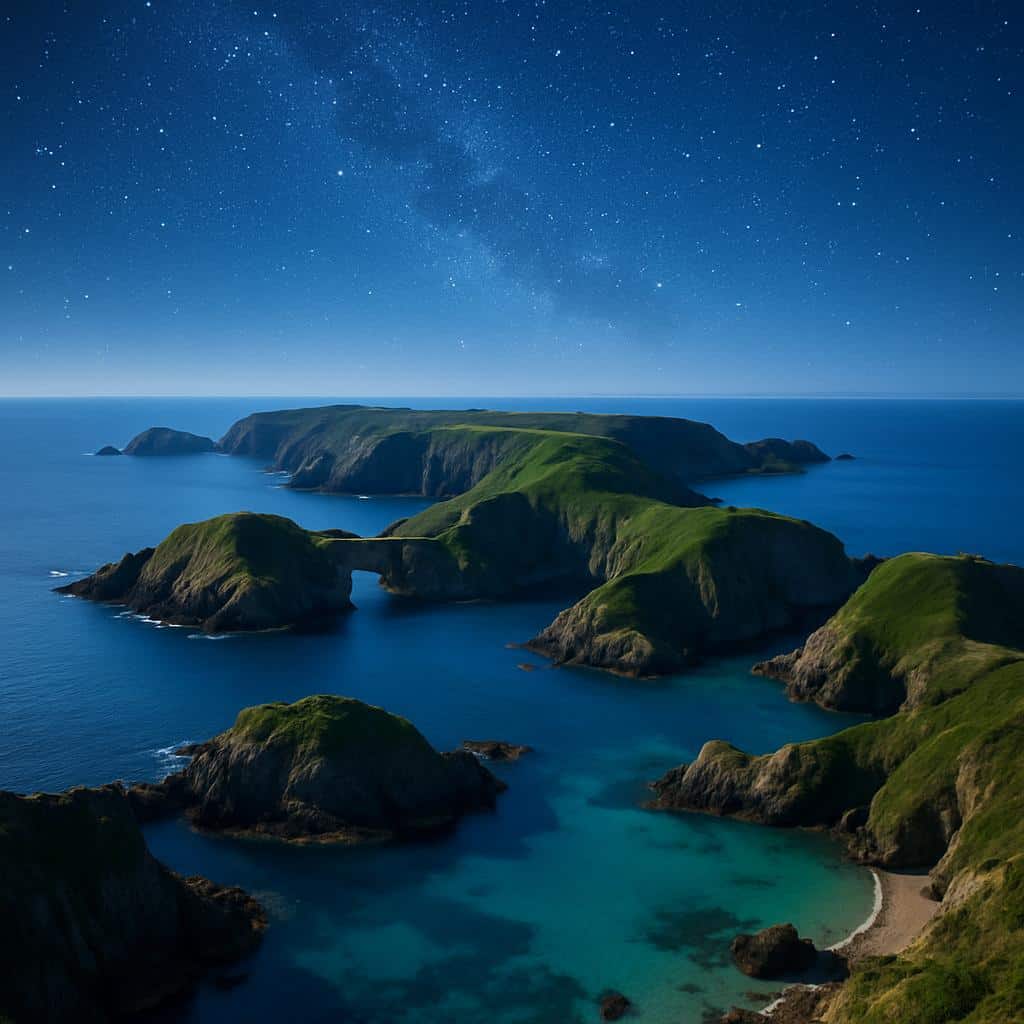
Experiencing Sark, Channel Islands: A Car-Free Island Under the Stars
Another European hidden village gem in 2026 is Sark, a tiny island in the English Channel. What makes Sark uniquely special is its calm and simplicity—it has no cars at all. Instead, people walk, bike, or use horse-drawn carriages, making the island feel like a step back in time.
Sark is famous for its cliffs and secret coves, perfect for quiet strolls or spotting sea birds. The skies here are among Europe’s darkest, so at night you get a stunning view of stars that feel close enough to touch. Nature lovers find Sark’s tranquil walking paths and medieval citadel enchanting.
If you visit during the night, join a stargazing walk to experience the island’s Dark Sky status—a rare, wonderful chance to connect with the universe. Sark shows how slow-paced life and natural beauty can create a deeply relaxing and unforgettable travel experience.
How to Visit Hidden European Villages Like You Belong
Exploring small, offbeat villages is all about soaking up the local rhythm, not rushing past as a tourist. Start by taking a walking tour or hiring a local guide. Their stories bring old buildings and traditions to life and open doors to hidden corners.
Try eating at local pubs and markets where recipes have been passed down through families. This is where a village’s real flavor comes alive, from freshly baked bread to family-made cheeses. Joining a village festival or market day if your timing allows will give you a genuine glimpse into community life.
Choosing to walk or cycle lets you discover tiny side streets, unusual shops, and quiet corners you might miss otherwise. Stay overnight in a guesthouse or B&B to enjoy the magical evenings when daytime visitors have gone home. This slower pace helps you feel the true charm and warmth of Europe’s hidden villages.
Planning Your Village Adventure for 2026
The best time to visit these quaint places is often spring or early fall when the weather is just right, and crowds are thinner. Getting there might mean local trains, ferries, or buses rather than big airports, which adds to the adventure.
Many hidden villages are close to popular cities—like Kinsale near Cork or Volterra near Florence—so you can mix quiet village stays with day trips to well-known sights. Booking local tours ahead of time ensures you don’t miss special experiences like guided walks or artisan workshops.
Above all, keep your schedule open enough to wander without a plan. The magic of European hidden villages often lies in what you discover by chance.
Traveling to European hidden villages in 2026 means stepping off the crowded highways and into quiet lanes filled with stories, smiles, and soft sunlight. These charming villages offer more than just pretty views—they give you time to connect with history, culture, and the simple joys of life far from the crowds.
By choosing these peaceful spots, you embrace a slower, fuller way of traveling. You’ll create memories not of bustling tour groups or long lines but of conversations with locals, sunsets over ancient rooftops, and starry nights far from city lights. Whether it’s the mellow harbor of Kinsale, the timeless hills of Volterra, or the quiet paths of Sark, Europe’s hidden villages await explorers ready for a genuine adventure in 2026.
If you’re seeking a trip that feeds your heart and calms your soul, why not add these treasures to your travel plans? With so many charming villages in Europe still waiting to be found, your perfect getaway could be just around the next corner.
