
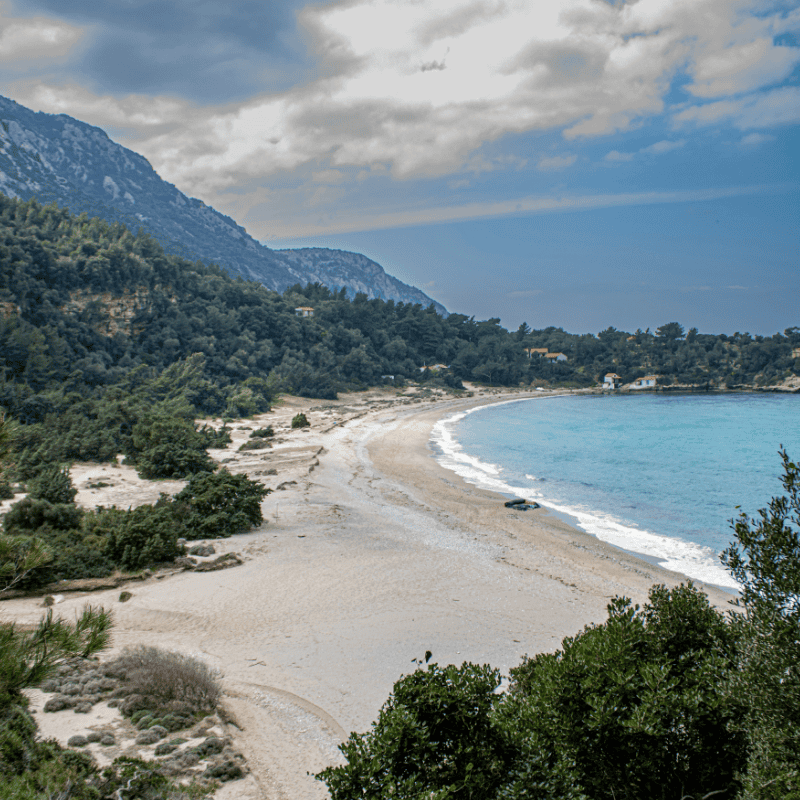
I stood on a packed shore in July, watching families jockey for a patch of sand while a drone buzzed overhead. I had planned for sun and quiet, not an arena. A friend pointed to a narrow path disappearing into scrub and said, “That way — it’s quieter.” An hour later I was alone on a tiny cove with clear water and no bars, and the day felt worth the extra effort.

If you want the same kind of find in 2026, secret beaches in Europe are still out there. Searching for “secret beaches europe 2026” will get you leads, but expect options that involve long hikes, bumpy tracks, or a short boat ride. Those physical hurdles are often why a spot stays quiet (Hidden Beach Destinations 2025). Below are realistic picks and the checks you should make before you go.
What makes a beach “secret” now
- Hard access. No road, a bumpy track, or a 30–90 minute hike. That alone knocks lots of people out.
- Little or no infrastructure. No sunbeds, no bars, often no toilets or lifeguards.
- Local knowledge. Locals often don’t post exact spots online.
Who should go: you want peace and don’t mind carrying supplies or scrambling down a path.
Who should skip it: you need shade, toilets, or easy access for kids or older travellers.
Greece’s hidden shorelines
These places are raw and worth the effort — but plan for transport, supplies, and scrappier conditions.
Fteri Beach, Kefalonia
- What it is: white cliffs, turquoise water, tiny pebbly shore.
- How to reach: about a 1‑hour hike on marked trails or a water taxi from Zola (water taxi often ~€15 return; prices change — check ahead).
- Real friction: the trail has loose rocks and steep sections; sturdy shoes and extra water are non‑negotiable.
- Who should go: fit day hikers and couples willing to carry a picnic.
- What to check: tide and weather, and confirm the water taxi’s return times before you set off.
Kythira — island of Aphrodite
- What it is: several deserted coves (Fyri Ammos, Kaladi, Limionas) and a slow island pace.
- How to reach: ferry then car; most beaches need a short drive and a walk.
- Local notes: tiny tavernas and local thyme honey; tourist numbers are low (under ~50,000/year).
- Trade-offs: solitude comes with fewer services and limited transport; renting a car on arrival is usually required.
Fokos Beach, Mykonos
- What it is: a wild cove on the island’s quiet north coast.
- How to reach: dirt track — a standard car works but scooters can struggle.
- Reality check: closer to Mykonos town things get busy; Fokos stays quiet because the road deters many visitors.
- Bring: sun protection, food, and a plan for getting back before sunset on a rough road with limited lights.
Italy’s under‑the‑radar coastline
Skip Amalfi’s crowds for honest shores where you’ll trade convenience for quieter water.
Terracina, Pontine Coast
- What it is: wide sandy beaches with a Roman backdrop and a simple town vibe.
- Why pick it: cheaper than Amalfi and easy old‑town cafés.
- Who this fits: families who want sand without cliff crowds.
- What to check: seasonal ferry or train times from Rome — services can change in low season.
Maratea, Basilicata
- What it is: pebble coves, limestone cliffs, and sea caves like Grotta delle Meraviglie.
- How to explore: kayak or hike coastal trails; kayak rentals are at Maratea Porto but book in advance in high season.
- Trade-offs: some caves need a flashlight and care with tides; expect rocky shores and limited beach facilities.
Spain’s road‑free paradise: La Graciosa
- What it is: an island with no paved roads, sandy tracks, volcanic hills, quiet beaches.
- How to reach: short ferry from Lanzarote; then walk, bike, or take a taxi‑boat.
- Why it’s special: you feel remote without a long trip.
- Limits: accommodation is scarce and shops close early; bring cash or stock up on Lanzarote. Bikes work well but can bog down on soft sand.

How to enjoy secret beaches responsibly
- Pack out what you bring. Bring a trash bag — there are often no bins.
- Don’t anchor on seagrass beds (posidonia). Anchoring there kills habitat that takes decades to regrow.
- Don’t post exact GPS coordinates. Vague tips are fine; exact pins can turn a calm spot into a crowd overnight.
- Visit in shoulder months. June and September usually give warm water and fewer people, but also fewer open services — check what’s available.
Practical tips for visiting in 2026
Timing
- Go in June or September for fewer people and still-warm water. For Arctic or very northern beaches (Lofoten, Scotland), July–August are the only decent swimming months.
Booking and access
- Some sites require booking. Cala Goloritzè in Sardinia uses an app and a visitor quota — show up without booking and you risk being turned away.
- For ferry islands (Kythira, La Graciosa), book return trips and any local transport. Ferries can sell out mid‑day and alternative crossings may be expensive.
Transport and gear
- Rent a car where roads end. On many Greek islands a car saves hours and lets you reach coves that buses don’t serve.
- Bring water, sun protection, good shoes, and a basic first‑aid kit. If you plan to kayak, check wind and sea forecasts — a short crossing can become dangerous fast.
- Check rental small‑print: island pick‑up/drop‑off fees and rough‑road insurance add cost and time.
Costs and expectations
- Secret doesn’t always mean cheap. Short ferries and island proximity to hubs can push prices up.
- Albania and Montenegro often have lower food and lodging costs than Greece or Italy.
- Decide: is solitude worth a longer transfer, higher rental fees, or rough roads? If you’re traveling with small kids, the extra cost and effort may not be worth it.
Will secret beaches remain hidden in 2026?
Many will, especially those that require effort. Hikes, boats, and bad tracks still filter crowds.
- Watch for change: new booking systems, protected‑area rules, and road improvements can open places fast.
- Popularity can spike quickly — searches for “Albania beach” jumped +430% since late 2024. If a spot is currently quiet, it may not stay that way.
Quick safety checks before you go
- Weather and sea: small coves can be calm in the morning and rough in the afternoon. Check forecasts the morning of.
- Phone coverage: often patchy. Download offline maps and save key ferry times/screenshots.
- Local rules: some beaches close for nesting birds or are in protected areas. Read signs and respect closures.
- Tide and cave safety: don’t explore caves at high tide; check tide charts and local advice.
Wrap‑up — what to decide now
Work out how much effort you want to trade for quiet. If you’re happy with a short hike, a kayak, or a water taxi, you’ll find coves that make a day feel earned. If you need guaranteed shade, toilets, or lifeguards, pick a well‑serviced beach instead.
Next steps: pick one region, check ferry and car‑rental availability, and pack a day kit (water, shoes, sun protection, trash bag). Verify booking rules for quotaed sites before you travel. And if you share photos, skip exact GPS pins so those places stay peaceful longer.
