
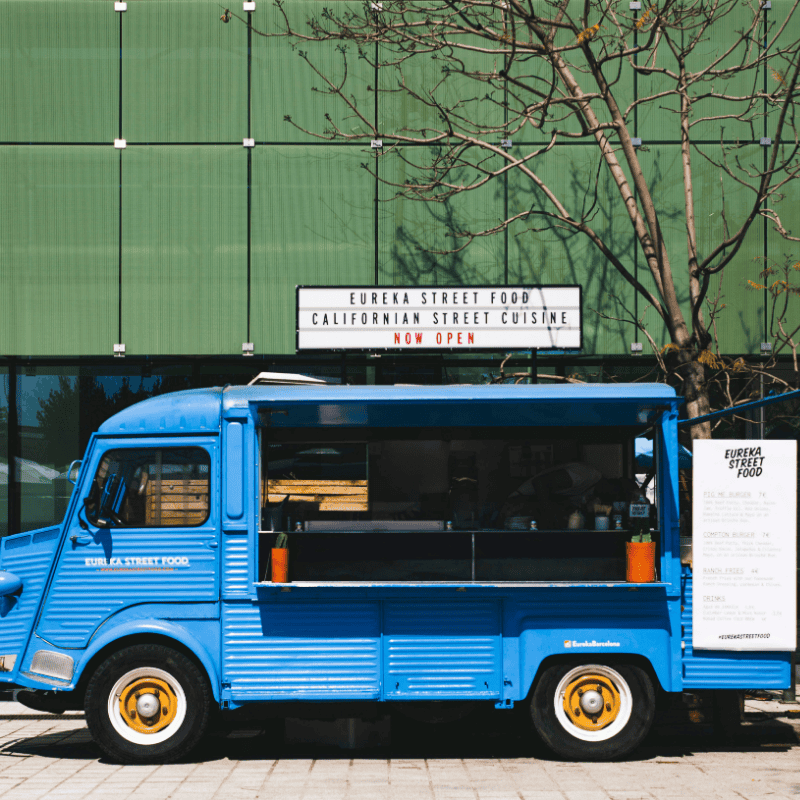
Food trucks have changed a lot over the years. What started out as a fun, casual way for cooks to sell their meals on the street has grown into a smart business. By 2026, food trucks are more like mini restaurants on wheels, offering fast, tasty meals with some of the newest technology. The global food truck market is growing fast, especially in places like Asia-Pacific and Europe. This growth is thanks to more people living in cities and new rules that make it easier for food trucks to operate. In the United States alone, the food truck market is expected to be worth about $2.8 billion in 2025.
The key to success in this fast-changing world of food trucks is making things easy for customers. That means simple ordering, smooth payments, and ways to keep customers coming back. In this post, we’ll explore the most important food truck trends for 2026. You’ll learn how food trucks are using cashless payments, smart ordering, catering, menu choices, data, loyalty programs, sustainability, and new tech to grow and serve people better.
Why Food Trucks Are Going Cashless and What It Means
Cash is useful, but it’s no longer the best way to pay at food trucks. In 2026, food trucks that only accept cash risk losing customers. Most people, especially younger ones like Gen Z, want to pay quickly with their phones or cards without fumbling for cash.
Tap-to-Pay and Mobile Wallets Lead the Way
People love tap-to-pay options where they simply hold their card or phone near a machine to pay. This is fast and feels safer. Mobile wallets like Apple Pay and Google Pay are also popular. The faster payments happen, the less time customers wait in line.
Portable Payment Devices Help Food Trucks Serve Faster
Using handheld systems like Clover Flex - the ultimate handheld POS system lets food truck operators take payments anywhere around their truck. Even if the internet connection drops, offline modes keep payments running smoothly. This means no delays or long waits for customers and fewer lost sales.

The shift to cashless payments makes lines move faster and makes customers happier, helping food trucks grow.
How Ordering Ahead Is Changing Food Truck Service
People want to skip long lines and order food on their phones. In 2026, more food trucks will offer order-ahead options that make it easy to place an order before arriving.
Using QR Codes and Apps for Quick Ordering
Many food trucks now display QR codes on their trucks. Customers scan these codes to see menus and order instantly. This tech works well in busy areas like breweries, sports events, and office parks.
Cloud-Based Systems Connect Orders to the Kitchen
When customers order online, their orders go straight to the kitchen with cloud-based POS systems. This keeps orders organized and helps the kitchen work efficiently. For example, platforms like Clover make this simple and reduce mistakes.

Clean, clear digital menus updated in real-time also help customers know what’s available, reducing the chance of disappointment and long waits.
Catering: A Big Opportunity for Food Trucks in 2026
Catering is booming for food trucks. Companies, schools, weddings, and events are hiring food trucks because they offer something fresh and fun compared to traditional caterers.
Professionalism Is Key for Catering Success
Catering clients expect food trucks to show up on time, take clean payments, and handle special diets like gluten-free or vegan options. Using the right POS devices helps food trucks manage payments and keep clear reports.
Choosing devices from best POS options for small business catering supports smooth catering operations, showing that food trucks can be professional and reliable partners.
Smart Menus: Quality Beats Quantity
Having a big menu doesn’t always help food trucks. In 2026, successful operators focus on smaller, high-quality menus that combine comfort foods with global flavors.
Using Flavor Systems to Save Time and Add Variety
Food trucks build “flavor systems” with signature sauces, spice blends, or toppings that work in many dishes. This makes prep easier and faster, and lets them add special menu items without extra fuss.
Plant-Based and Global Options Keep Customers Coming
Plant-based foods are growing in popularity. Food trucks now offer more meatless and even plant-based BBQ choices. Popular global flavors, including Mexican street food and other international dishes, attract curious and health-conscious customers.
Learn more about this trend at 2026 Food Truck Reality Check: Flavor Systems and Plant-Based Menus.
Using Data to Pick the Best Routes and Locations
Gone are the days of guessing where to park. Food trucks in 2026 use sales data to pick routes and spots with the best chances to sell.
Why Sales Data Matters
POS systems track what sells, where, and when. This data shows which spots bring the most customers and what food is popular. Food truck owners can use this info to plan routes that save time and boost profits.
Artificial Intelligence (AI) Makes Planning Easier
New AI tools assist with scheduling routes, adjusting menus, and predicting busy periods. These tools help operators make better choices and avoid wasting food or time.
Read about this at AI for route planning and menu optimization.
Why Loyalty Programs Matter More Than Viral Fame
Food trucks get excited when their picture goes viral online, but the fast buzz fades. What really keeps food trucks busy is loyal customers who come back again and again.
Easy Loyalty Programs Win
In 2026, customers want loyalty programs that are simple and fast. No tricky apps or punch cards. Programs integrated directly into the payment systems, like those offered on Clover, make rewards quick and easy.
These tools build steady customer habits, making food trucks more reliable and successful.
Going Green: How Electric and Sustainable Food Trucks Are Changing the Game
More food trucks are switching to electric vehicles to lower emissions and save on fuel costs.
What Makes Up an Eco-Friendly Food Truck?
Eco-friendly trucks use electric power, sometimes with solar panels to help run equipment. Battery-powered refrigerators and induction cooking systems reduce the use of fossil fuels.
Growth in Asia-Pacific and Europe
Regions like Asia-Pacific and Europe are leading in electric food truck adoption. Their governments have strict emission rules and offer support for these cleaner trucks.
Check out trends in electric food trucks and sustainability.
Where in the World Are Food Trucks Growing Fastest?
Food trucks are everywhere, but some regions are growing faster than others.
Asia-Pacific: The Fastest Growing Market
Thanks to high urban growth, strong street food culture, and government support, Asia-Pacific is growing at a rate of 7.8% to over 10% annually. Countries like China, India, Japan, and South Korea lead this growth.
Europe: Steady Growth with High Standards
Europe sees steady growth, especially in Germany, the UK, and Italy. Strict hygiene and emission regulations push innovation in the food truck scene.
North America: A Mature and Diverse Market
North America has a large and experienced market with many independent operators and franchises. Food truck pods and catering continue to expand.
Other regions like Latin America and the Middle East show rising interest but face challenges like regulation and costs.
For more details, visit Fortune Business Insights on Asia-Pacific food truck market.
New Ideas Shaping How Food Trucks Work
Food trucks in 2026 are using new approaches to grow their businesses.
Ghost Kitchen Hybrids
Some operators run food trucks during the day and use shared ghost kitchens for delivery at night. This means more ways to sell food without a big increase in costs.
Food Truck Parks Are Becoming Community Spots
Food truck parks with seating, music, and drinks attract crowds and help trucks sell more.
Technology Makes Everything Smoother
Tools like GPS tracking, live location sharing, social media automation, and digital menus improve customer experience and help operators manage busy days.
Subscription meal passes and app-based rewards give customers reasons to return often, creating predictable income.
Learn more about these innovations at The Future of Street Food 2026.
The Real Costs and Challenges of Running a Food Truck
Starting a food truck takes money and careful planning. In 2026, initial costs range from about $75,000 to $250,000. Monthly running costs, including food, fuel, and staffing, are typically $5,000 to $10,000.
Labor wages have risen to about $16-$20 per hour, which adds to expenses. Food trucks also face rules about permits, inspections, and limited parking spots depending on city laws. Weather can be a challenge too, since trucks often depend on outdoor events.
To stay profitable, operators need tight operations, good locations, smart use of digital tools, and strong catering programs.
More on this can be found at Food Truck Cost Realities and Profitability.
Who Leads the Pack in 2026 Food Truck Business?
Big and small food trucks thrive by combining great food and smart tech.
Top names like Stoked Wood Fired Pizza, Tenoch Mexican, and Vibe Food Truck succeed by using online ordering, catering, and strong social media.
Many independents also do well by staying flexible and creative with menus and marketing.
Using integrated POS systems and apps from the Clover App Market helps trucks run smoothly and build loyal customers.
What’s Next for Food Trucks?
Success in 2026 boils down to “easy wins”: being easy to find, order from, pay, and return to.
Food trucks will grow by managing lines better, supporting digital payments, encouraging orders ahead, keeping menus simple but tasty, using data for decisions, focusing on loyal customers, and expanding fleets.
Tech platforms like VMS and Clover make all this possible without complex IT headaches, helping food truck owners focus on serving great food and customers.
For a future-ready business, adopting these trends is the way forward.
Food trucks have come a long way and 2026 is shaping up to be a year where technology and smart strategies lead the way. By focusing on easy ordering, cashless payments, simple menus, smart route choices, and loyalty programs, food truck operators can build lasting businesses. New tools help balance costs, improve service, and grow catering and delivery channels.
If you’re thinking about starting or growing a food truck, now’s the time to explore integrated POS systems and order management platforms. These tools take the hassle out of operations and keep customers happy. With the right approach, your food truck can be the one that customers return to again and again.
