
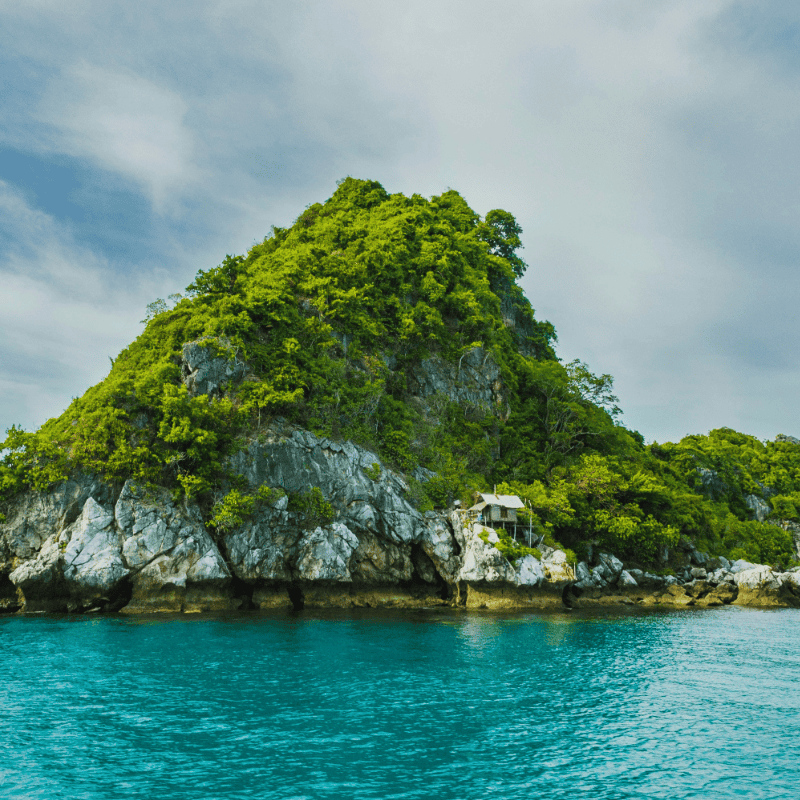
The Caribbean is renowned for its pristine beaches and turquoise waters, but beyond the surface lies an increasing commitment to sustainability and eco-tourism. Many islands in the region are embracing green initiatives, working to preserve their natural beauty while offering visitors authentic and environmentally conscious travel experiences. Here are some of the most eco-friendly destinations in the Caribbean to consider for your next vacation. Grenada’s lush landscapes and rich culture make it a sustainable treasure in the Caribbean. The island has implemented numerous conservation efforts to protect its rainforests and marine life. Its community-driven tourism models ensure that local culture is preserved and benefits from tourism revenues.

Another standout destination is Dominica, known as the “Nature Island” for its volcanic landscapes and untouched rainforests. It has committed to renewable energy and sustainable agriculture, ensuring that visitors experience nature at its purest. Barbados is also making strides with its green hotel certifications and beach clean-up initiatives. Visitors can stay at eco-resorts that prioritize water conservation and waste reduction without compromising comfort. Whether you’re snorkeling in coral reefs, hiking tropical trails, or simply relaxing on a sustainably maintained beach, the Caribbean offers a wealth of eco-friendly travel options that support both the environment and local communities. Plan your trip today to enjoy paradise responsibly.
Have you ever dreamed about visiting the Caribbean but wanted to make sure your trip helps, not harms, the beautiful islands?
Lucky for travelers in 2026, there are plenty of eco-friendly Caribbean islands leading the way in sustainable travel. When we say “eco-friendly Caribbean 2026,” we’re talking about islands that care deeply about protecting nature, supporting local communities, and sharing their culture without putting too much strain on the environment. These islands are showing travelers how to enjoy breathtaking beaches, lush forests, and vibrant marine life—all while making thoughtful choices that protect these treasures for years to come.
The Caribbean’s islands are like jewels surrounded by fragile ecosystems—coral reefs, rainforests, and endangered wildlife. That’s why eco-tourism is so important here. More and more travelers want to explore with kindness, seeking sustainable Caribbean islands that offer eco lodges, green tours, and low-impact activities. In this journey, you’ll discover the top eco-friendly Caribbean destinations for 2026. From Curaçao’s vibrant culture and parks to Grenada’s spice-scented rainforests, we’ll explore how these islands welcome visitors who care for nature and communities alike. Ready for an adventure that’s as gentle as it is unforgettable? Let’s sail into the world of Caribbean ecotourism together.
Why Picking Eco-Friendly Caribbean Islands Makes Your Trip Special
Traveling to an eco-friendly Caribbean island means more than just arriving at a scenic beach. It’s about making choices that respect nature’s delicate balance. Eco-tourism is all about traveling carefully—minimizing harm to the environment, supporting local people, and enjoying wildlife without disturbing it. Think of it like being a guest in someone’s home and treating their space with kindness. The Caribbean faces challenges like fragile coral reefs, climate change, and too many tourists crowding popular spots. When you choose sustainable Caribbean islands, you’re helping protect these places from damage and allowing local cultures to thrive.
If you stay at eco lodges Caribbean islands offer, you will find places designed with the earth in mind. They use less water, save energy, avoid plastic waste, and often source food from nearby farms. There are also eco-conscious travel options like guided hikes through rainforests, snorkeling with respect for marine life, and cultural tours that highlight island history without hurting it. Travelers in 2026 are especially drawn to these thoughtful trips because they want to leave a place better than they found it. Choosing an eco-friendly Caribbean 2026 destination means your vacation is filled with new experiences and positive impact.
How to Travel Around the Caribbean While Caring for the Planet
Island hopping is a dream for many visitors—zipping from one island to another and soaking in different cultures and landscapes. The good news is you can do this in a way that helps the environment. Sustainable travel Caribbean experts suggest using boats like ferries, sailing yachts, or catamarans for island trips instead of taking short flights. These water options create less pollution and let you enjoy stunning views of the sea and sky.
For example, ferries like L’Express des Îles and Virgin Islands Ferry Services offer regular routes that connect islands while reducing carbon footprints. When flights are necessary, booking direct flights and choosing airlines that offer carbon offsets can help balance your trip’s impact. On land, look for eco lodges that encourage walking, biking, or using public transit like minibuses. These small choices add up and make your Caribbean island hopping adventure both unforgettable and gentle on the planet.
Why Curaçao Shines Bright as the Top Eco-Friendly Caribbean Spot
Curaçao has taken the spotlight as the number one eco-friendly Caribbean island for 2026, and for good reason. This island is a beautiful mix of nature, culture, and sustainability. Imagine colorful colonial towns with bright buildings, vast national parks, warm-hearted people, and perfect beaches. The Curaçao Hospitality & Tourism Association proudly shares that travelers around the world voted Curaçao as the best Caribbean island to visit in 2026. This recognition celebrates the island’s hard work in balancing tourism growth with protecting its natural and cultural treasures.
Curaçao offers Christoffel National Park, where you can hike through wild landscapes and spot rare animals. Shete Boka National Park shows off rugged coastlines where sea turtles come to nest. Many eco lodges Curaçao features use green building methods and support local food producers. Visitors can enjoy snorkeling in coral reefs, exploring caves with ancient paintings, and tasting local dishes made with care. By visiting Curaçao, you take part in a journey where every step respects and celebrates the island’s beauty and heritage.
How Grenada’s Nature and Culture Make It a Sustainable Treasure
Nicknamed the “Spice Isle,” Grenada is famous for its lush rainforests, fragrant nutmeg farms, and vibrant underwater life. Here, sustainability shines through in the way Grenada cares for its parks and wildlife. Places like Grand Etang National Park and Levera National Park safeguard tropical forests and turtle nesting beaches. The island even supports projects that create artificial coral reefs, helping marine life grow and thrive.
Travelers find joy in low-impact activities like hiking jungle trails, kayaking calm waters, or sailing peacefully along the coast. Grenada’s eco lodges, such as Blue Horizons Garden Resort, have earned green certifications for their green practices and community support. Staying in these places means your vacation helps build a better future for Grenada’s people and nature. It’s a place where every visitor can enjoy the natural spice and warmth without leaving a heavy footprint behind.
Why Nevis is Perfect for Quiet Nature Lovers and Helpers
Nevis is a calm and charming island that values keeping its natural beauty untouched. To protect its environment, the government has strict rules, like no building above 1,000 feet high and keeping all beaches open to the public. This careful approach means Nevis remains peaceful and unspoiled—a true gem for eco-conscious travelers.
There are many ways to experience Nevis sustainably. Visitors can volunteer with the Nevis Turtle Group, helping protect sea turtle nests. Walking rainforest trails or relaxing at eco lodges like the family-run Oualie Beach Resort offers a gentle way to enjoy the island’s wildlife and culture. These lodges also support local food producers, showing a commitment to community wellbeing. Visiting Nevis is like stepping into a place where nature and people live in harmony, creating memories that respect and protect this special Caribbean beauty.
Isla Holbox: A Mexican Island That Loves Nature and Tradition
Though Isla Holbox is part of Mexico, it shares the Caribbean’s spirit of eco-conscious travel. This small fishing village turned eco-tourism haven keeps cars out and uses golf carts instead. The island’s locals own many resorts, ensuring that profits benefit the community. Wildlife thrives in safe spaces like the Yum Balam Biosphere Reserve and bird sanctuary Isla Pájaros.
Guests enjoy peaceful activities like kayaking, kiteboarding, and snorkeling with care. One exciting experience is swimming with whale sharks, but only following ethical guidelines that protect these gentle giants. Eco lodges like Casa Las Tortugas and Zoomay combine style with sustainability. When you visit Isla Holbox, it feels like stepping back to a simpler, kinder way of life where nature takes center stage.
Small things you can do to be a responsible traveler in the Caribbean
Travelers hold great power to make a positive difference. Choosing accommodations with green certifications and staying at eco lodges Caribbean islands offer helps protect resources. Supporting local businesses means your money nurtures communities instead of big corporations. Simple acts like avoiding single-use plastics, respecting wildlife, and following local rules show care for the islands.
Using sustainable transport like walking, biking, or public transit reduces pollution and connects you more closely to the environment. Joining local conservation efforts like beach cleanups or volunteering with wildlife groups deepens your travel experience and helps preserve the Caribbean’s charm. Every thoughtful choice adds up to a better future for these island paradises.
When is the best time to visit the eco-friendly Caribbean in 2026?
The dry season, from December to April, is the best time for outdoor fun like hiking, snorkeling, and exploring parks across the Caribbean. The weather is sunny and pleasant, which means calmer seas and clearer water. This makes it easier to enjoy sustainable activities and see marine life. Though this season sees more visitors, planning to visit less crowded eco-friendly islands like Curaçao can offer peaceful escapes.
The rainy season runs from May to November and is quieter and often less expensive. However, it overlaps with hurricane season, especially in August and September. Some islands like those in the ABC group (Aruba, Bonaire, Curaçao) lie outside most hurricane paths, making them safer choices for off-season travel. Picking the right season helps you enjoy your trip safely while maintaining responsible tourism habits.
Visiting the eco-friendly Caribbean 2026 means choosing a time when you can truly connect with nature and culture, while leaving only footprints of kindness behind.
Spending your vacation on eco-friendly Caribbean islands in 2026 is a way to enjoy stunning nature, learn about unique cultures, and do good for the planet all at once. These islands show that travel doesn’t have to harm the environment—it can help protect it. By choosing places like Curaçao, Grenada, Nevis, and Isla Holbox, and by traveling thoughtfully, you become part of a global community caring for some of the world’s most beautiful places.
Each small choice you make—whether staying at an eco lodge, taking a ferry instead of a plane, or joining a local conservation project—adds up. It’s a chance to create lasting memories while supporting sustainable Caribbean islands and their people. So in 2026, why not plan a trip to an eco-friendly Caribbean island? You’ll find a journey full of wonder, warmth, and meaning, inspiring you to travel kindly wherever you go next.
