
Have you noticed how many restaurants these days are adding more plant-based dishes to their menus? It’s like a new kind of dining is arriving, one that’s kinder to our bodies and the planet. By 2026, plant-based restaurants will be popping up everywhere, showing us how eating more veggies and less meat can be tasty, fun, and good for the Earth. This isn’t just a passing fad. It’s a real change in how we eat, driven by what people want—flavor, health, and care for the world around us.
Plant-based restaurants in 2026 aren’t just for vegans or vegetarians. They’re welcoming everyone, especially those who like to mix it up and try plant-forward menus—meals where plants play the starring role, even if meat isn’t completely gone. This way of eating fits well with flexitarian behavior, where people enjoy meat occasionally but choose plants most of the time. Many younger diners love this approach because it feels modern, clean, and exciting. Plus, research shows that nearly three-quarters of people pick a plant-based meal at least sometimes, and quick-service spots are seeing big jumps in plant-based orders. So whether you’re curious or already a fan, the rise of plant-based dining trends means there’s something fresh and delicious waiting for you in 2026.
Why More Restaurants Are Shifting to Plant-Forward Menus
Plant-based eating used to mean special diets for a few people. Now, it’s becoming a main part of everyday restaurant choices, and it’s changing the way many chefs think about their menus. The big reason? People are reducing meat instead of cutting it out entirely. This flexitarian mindset is growing fast, with diners wanting meals that feel good—healthy for them and friendly to the planet—without losing great taste.
You don’t have to be vegan to want plant-forward dining. Most diners just want variety and dishes that match different moods and times of day. Younger groups, especially Gen Z, are driving this change. They care about sustainability and love trying bold, global flavors. This means restaurants don’t need fully vegan menus, just strong plant-based options that everyone can enjoy. Think of it like adding more colorful vegetables to a familiar meal to make it exciting and nourishing.
How Simple Ingredients Like Potatoes Are Making Plant-Based Meals Shine
When we talk about plant-based restaurants in 2026, it’s not about fancy, expensive substitutes. It’s often about using whole-food proteins and clean labels—meals made with simple, recognizable ingredients like lentils, chickpeas, mushrooms, and yes, potatoes. People love foods that feel real and wholesome, not packed with mystery additives or overly processed ingredients.
Potatoes have become stars of plant-forward menus because they’re affordable, versatile, and loved by almost everyone. They show up in many comforting dishes, like loaded fries topped with tasty sauces and veggies, or cozy mash-and-gravy meals. These dishes combine indulgence with the good feeling of eating plants. Plus, potatoes hold up well in busy kitchens and delivery bags, meaning they stay crispy and fresh longer, making them a smart choice for restaurants looking to serve delicious plant-based options without fuss.

Bringing the World’s Flavors to Plant-Based Menus
Eating plant-based doesn’t mean missing out on exciting tastes. In fact, global flavors are inspiring many plant-forward dishes in 2026. Imagine fries with spicy Korean gochujang sauce or wedges seasoned with Middle Eastern za’atar and tahini. You could enjoy a Japanese katsu-style potato bowl or a sweet potato dish inspired by Mexican esquites. These vibrant tastes offer big flavor without big costs, helping restaurants bring new energy to their menus.
Potatoes are perfect for carrying these bold seasonings because they’re neutral but hearty. They soak up spices and sauces, delivering delicious bites that are also visually appealing. These global influences connect diners to different cultures while keeping meals plant-forward and satisfying.
How Restaurants Are Balancing Value and Sustainability with Plant-Based Options
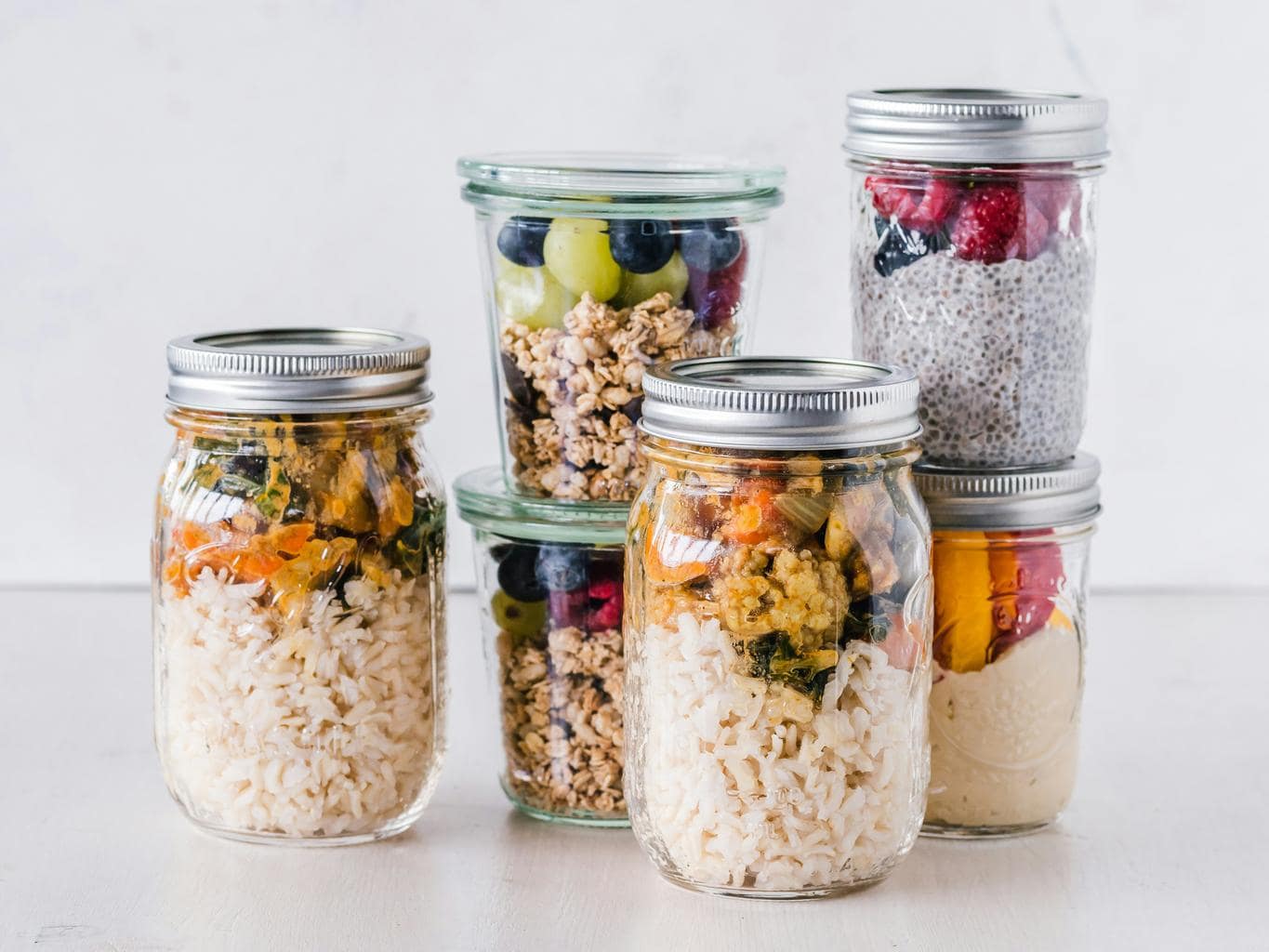
Choosing plant-based meals often helps the planet because plants usually need less land, water, and energy to grow than meat. But affordability is key, too. Diners want meals that taste great and feel good in their wallets.
Plant-forward dining in 2026 focuses on providing value by using ingredients like potatoes that produce less waste and come in reliable portions. This makes it easier for restaurants to keep prices fair while offering tasty, sustainable dishes that fit any part of the day—from breakfast bowls to late-night snacks.
Restaurants know that if plant-based meals don’t hit the mark on flavor, comfort, and price, customers won’t keep coming back. That’s why quality and flavor take center stage while also caring for the environment.
How Pubs, Fast Food, and Casual Spots Are Embracing Plant-Based Menus
Pubs and bars have changed a lot recently, adding plant-forward dishes that suit group dining and younger tastes. Picture late-night loaded fries, shareable vegan platters, or cozy mash-based mains that anyone can enjoy. These places are using products like crispy wedges and skin-on fries that stay delicious longer, making it easier for chefs to serve big plates that look and taste amazing during busy nights.
Quick-service and casual dining spots have also jumped in. Big names like McDonald’s and Burger King now feature plant-based burgers and wraps as standard options, showing just how mainstream this movement has become. Bowls, loaded fries, and wraps with plant protein are popular formats that anchor meals around plants, appealing to flexitarians and plant-forward diners alike.
Even fast food is getting creative with AI helping develop better textures and flavors for plant-based items. Combining meat and plant protein is on the rise, too, helping people enjoy familiar tastes while eating more plants. For insights on how technology is influencing dining choices more broadly, check out our post on phone protection while traveling which also touches on the role of innovation in enhancing consumer experiences.
Why Whole-Food Proteins and Mycelium Are the Future of Plant-Based Eating
One exciting ingredient leading the charge in plant-based restaurants 2026 is mycelium. It’s a fungi-based protein that’s packed with fiber and all the amino acids your body needs. Mycelium has a meaty texture and rich umami flavor without needing lots of processing or additives. This makes it a shining example of clean-label, whole-food protein.
Mycelium also has big environmental perks. Growing it uses much less land and water than raising animals, and it produces far fewer greenhouse gas emissions. Plus, dishes made with mycelium feel satisfying and healthy, which is exactly what many diners want as they look for plant-based meals that do good for their bodies and the planet.
Easy Menu Ideas to Try Plant-Based Eating in 2026
If you’re curious about plant-forward dining, starting small is the way to go. Think about enjoying tasty loaded fries topped with gochujang or za’atar wedges with a simple tahini dip. Mash-based bowls with roasted veggies and gravy offer cozy comfort without complexity. Sweet potato sides add a touch of variety and a premium feel.
Restaurants are finding that these kinds of dishes are easy to prepare, cost-effective, and loved by customers. Using reliable products that keep portions consistent, like certain fries and wedges, helps keep kitchens running smoothly and customers coming back for more.
Looking Ahead: Why Plant-Based Restaurants Will Keep Growing
Plant-based restaurants in 2026 and beyond aren’t just trying to follow a fad—they’re shaping a new way to eat that feels real, tasty, and thoughtful. By focusing on clean labels, whole-food proteins, and plant-forward menus, restaurants are meeting what people truly want today: meals that offer flavor, comfort, and sustainability.
Flexitarian dining is here to stay, and plant-based options will keep getting better with innovations in ingredients, cooking methods, and global flavors. It’s an exciting time for food lovers who are ready to enjoy dishes that nourish their bodies and respect the world around them.
If you’re thinking about trying plant-forward meals or bringing new dishes to your table, 2026 is the perfect year to explore. Delicious, satisfying plant-based dining is no longer a trend—it’s the future of how we eat together.
Plant-based restaurants in 2026 are opening doors to a world of flavor and sustainability that anyone can enjoy. Whether you’re a full-time vegetarian or just someone curious about eating more plants, this new dining style offers comfort, excitement, and care rolled into every bite. Embracing plant-forward menus means enjoying food that’s good for you and kind to the planet, all without giving up the joy of tasty meals. So next time you’re choosing where to eat, why not explore what plant-based dining trends have to offer? Your taste buds—and the Earth—will thank you.
