
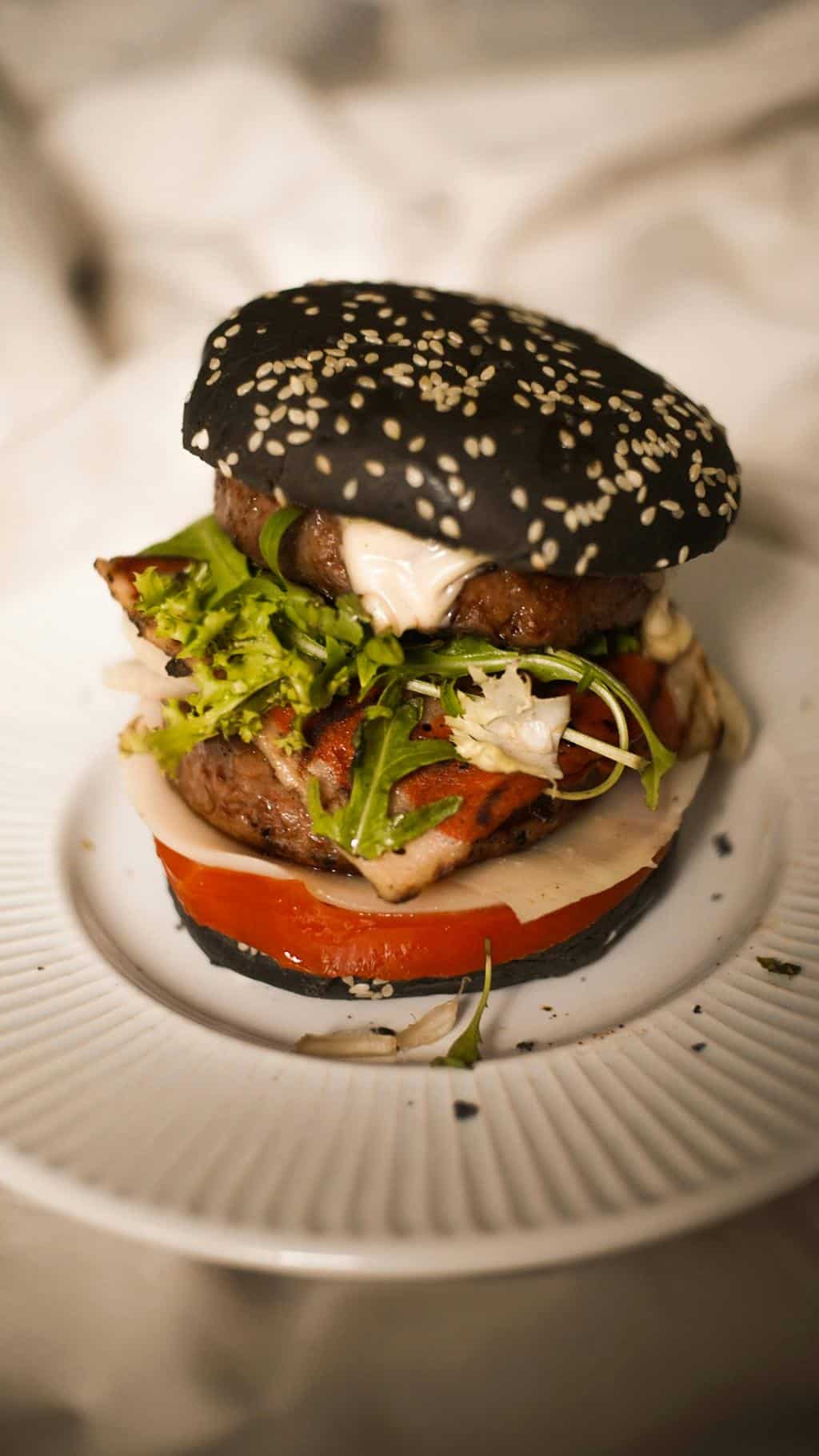
Have you noticed how food trucks and street stalls around you are now serving up more plant-based goodies than ever before? It’s like a fresh breeze is blowing through the world of street food, and it’s all about plants in 2026. Plant-based street food, which means tasty meals made mainly from plants and sold in outdoor, casual settings, is becoming a big deal worldwide. It’s not just a fad; it’s changing how we think about quick, delicious food on the go.
People are choosing plant-based street food more because it feels good for the body and the planet. These are foods made with natural ingredients that nourish us, without the heavy processing found in some fast foods. And guess what? By 2026, this trend is sparking exciting new ideas in kitchens all over the world. From crunchy loaded fries topped with mushrooms and spices to bold tacos with vibrant veggies, plant-forward menus are turning street food into a global adventure.
Let’s explore this rise of plant-based street food as a powerful part of global culinary innovation. You’ll learn about the healthy and tasty reasons behind this trend, the smart ways chefs are creating these foods, and how it’s reshaping markets for the better.
Why Plant-Based Street Food is Growing Fast by 2026
Plant-based street food has grown from a small niche into something that more and more people love. It’s not only for vegans anymore. Many folks want meals that are packed with natural nutrition, made from clean ingredients, and bursting with real, authentic flavors. These aren’t just plants pretending to taste like meat — they stand strong on their own, offering foods that feel fresh and healthy.
A big reason this trend is booming is that people care about what they put in their bodies. They want foods rich in vitamins, fiber, and protein from plants like beans, grains, and mushrooms. Research shows that plant-based trends now focus on health benefits without losing the excitement of bold tastes. For example, in cities like New York, Seoul, and London, you’ll find plant-based street vendors combining traditional spices with modern nutrition, creating foods that feel both familiar and new.
Flexitarian eating — where people mostly eat plant-based but still enjoy some animal foods — is pushing this growth even more. Flexitarians look for clean, wholesome choices that fit into their busy lives, making plant-based street food the perfect match.
How Health, Sustainability, and Culture Drive Plant-Based Street Food
When you think about why plant-based street food is booming, it’s like a mix of health, care for the planet, and love for flavors from around the world all come together.
Health Goals Bring People to Plant-Based
In 2026, more people focus on eating fiber and protein from plants. Fiber keeps your tummy happy and gut healthy, while plant proteins build energy. Studies show protein and fiber are no longer just for athletes; everyday people want them as part of their meals. This shift is partly thanks to groups like The Vegan Society highlighting these benefits and more companies making food that matches what our bodies ask for.
Caring for the Earth Reads Like a Food Story
People also choose plant-based street food because it’s kinder to the environment. Growing plants often needs less water, land, and energy than raising animals. This means less pollution and fewer greenhouse gases. With rising climate awareness, many now pick plant-based meals to help protect the planet, and street food vendors respond by adding tasty, sustainable options to their menus.
Flavor Journeys Around the Globe
The world’s flavors are showing up in plant-based street food. Korean gochujang spices, Middle Eastern za’atar herbs, and Mediterranean olives and tahini make dishes exciting and authentic. Urban life moves fast, so street food brings vibrant dishes that are easy to grab but full of cultural stories and fragrance. This global fusion invites everyone to taste a little adventure in their meal.

Clever Food Science Makes Plant-Based Street Food Taste Amazing
Behind the scenes, new food science and tech are helping plant-based street food sound and feel irresistible.
Mushrooms and Mycoprotein Steal the Show
Fungi are no longer just forest friends; they are stars in kitchens too. Mushrooms and mycelium protein give plant-based foods a rich, meaty texture and are full of nutrition. Brands like Quorn have grown popular, turning these fungi into tasty, protein-packed street food ingredients that work great for burgers, bowls, and more.
Precision Fermentation Is a Secret Ingredient
Another cool tech, precision fermentation, uses tiny natural organisms to create vegan proteins and ingredients. It’s like biotechnology turning simple sugars into quality food components that help chefs make foods with real flavor and good texture. This kind of science is growing fast because it’s clean and efficient, and customers trust products that are clear about how they are made.
AI Helps Chefs Craft Better Bites
Artificial intelligence is speeding up food innovation. It analyzes what people like and helps create recipes that taste better and feel just right when you bite them. This tool is a big help in overcoming old challenges with plant foods, making sure plant-based street food lives up to the delicious expectations.
Why Taste and Texture Make or Break Plant-Based Street Food
No matter how healthy or sustainable food is, taste and texture are what bring people back.
Taste is the king of all food decisions. Research tells us that about one-third of people say taste is the top reason they choose or reject plant-based foods. Texture, or how food feels in your mouth, works closely with taste. Mushrooms and fermented proteins are helping to solve texture problems that used to turn people off.
Street food especially needs to satisfy immediately — a bite that’s savory, spicy, and familiar makes you want to come back. Plant-forward menus use global spices and bold seasonings that create flavors guests love right away. This focus on food that tastes great and feels good in the mouth is why the rise of plant-based street food is happening.
Real-Life Plant-Forward Street Food Favorites You Can Try
Street vendors and quick-service restaurants are getting creative with plant-forward menus that everyone can enjoy.
Loaded fries with plant-based toppings, mushroom bowls packed with herbs, and spicy plant-based tacos are becoming classics. Many of these dishes use potatoes as a base, which is not only tasty but also a smart, affordable choice. For instance, McCain’s sweet potato fries and seasoned wedges offer a perfect canvas for creative plant-based toppings and bold spices.
These dishes adapt well to many street food styles. Imagine Korean spiced gochujang fries, Middle Eastern za’atar potato wedges with smooth tahini, or Mediterranean sharers with olives and nuts — all plant-based and full of flavor. These options are growing in popularity because they’re fun, filling, and fit the fast pace of city life.
Plant-Based Street Food is Changing the Market and What We Eat
More people now eat a flexitarian diet, which means they enjoy more plants but don’t necessarily exclude animal products. This shift makes plant-based street food a mainstream choice, not just a niche for vegans.
Even when costs go up, demand remains steady because plant-based dishes offer good value, flavor, and health benefits. Foodservice and retail are both evolving, with more plant-based products coming into stores and onto menus worldwide.
Certification and honest labeling play a big role in gaining trust. Marks like The Vegan Trademark let consumers know food meets strict plant-based standards, encouraging them to try and buy with confidence.
Why Knowing the Rules Helps Plant-Based Street Food Grow Safely
The rules and laws about what you can call plant-based food are changing, especially in the EU and UK. New regulations aim to make sure labels are clear and fair, so customers aren’t confused.
Vegan certification is more important than ever. It shows a product follows strict guidelines and builds trust with customers who want transparency. New plant-based street food businesses need to pay attention to these rules to grow smoothly and keep customers happy.
Looking Ahead to More Plant-Based Street Food Fun
2026 stands out as a turning point for plant-based street food. It combines health, taste, smart innovation, and easy access to change how we enjoy quick meals. Brands and vendors who use natural ingredients, embrace new food technologies like fermentation and AI, and keep things clear with vegan certification will lead the way.
If you haven’t yet tried plant-based street food, now’s a great time. You might discover new favorites that nourish both you and the planet, all while enjoying bold, authentic flavors. Keep watching this exciting trend as it shapes the future of what we eat on the go.
Want to learn more about plant-based innovation and future food trends? Check out resources like The Vegan Society’s insights on future vegan food and drink, and reports from experts like Innova and Tastewise. They offer a deep dive into the healthy, tasty, and sustainable foods coming your way in 2026 and beyond.
